
Culture
Food across Pakistan
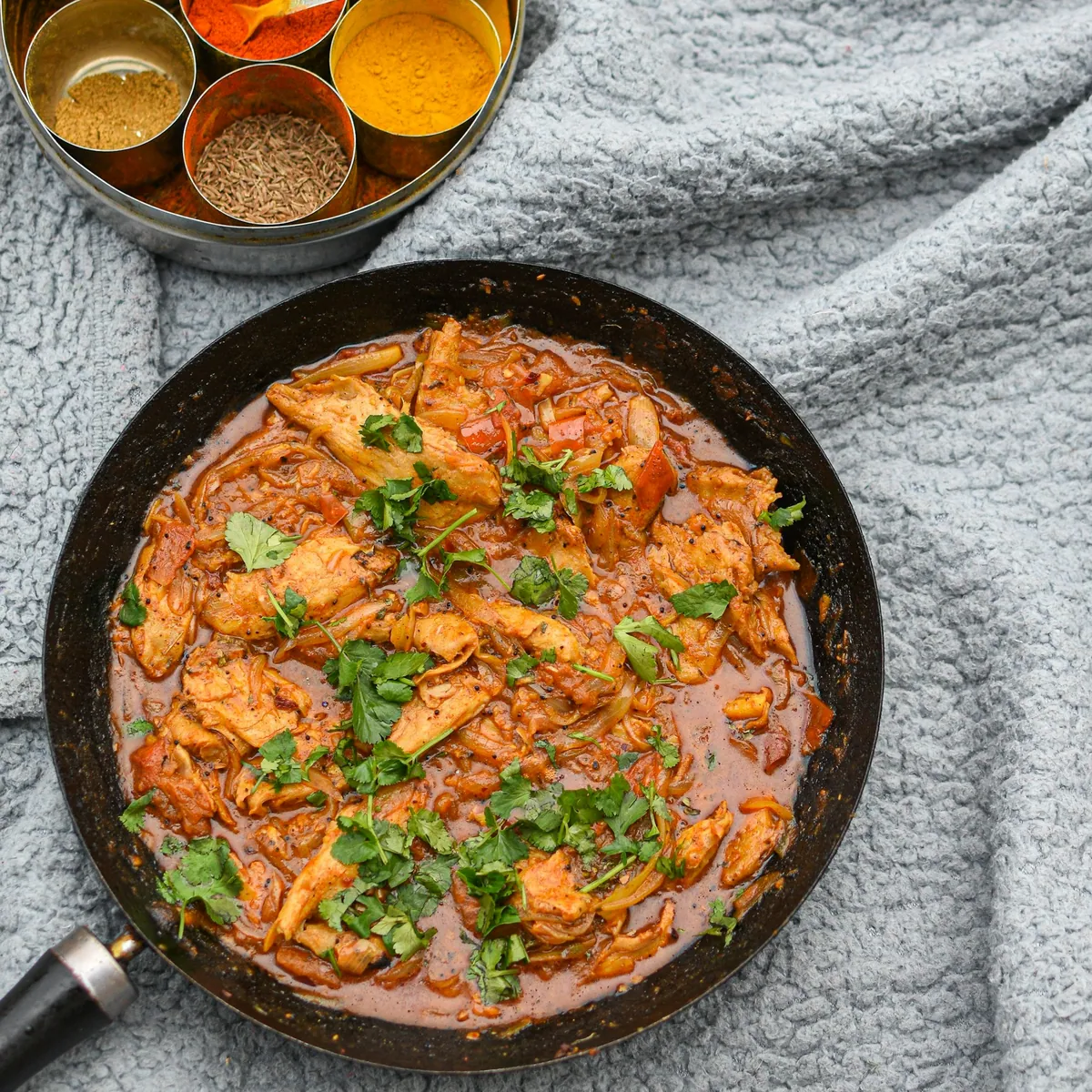
Pakistani cooking varies sharply by province: wheat breads, dairy and slow-cooked meat in Punjab; rice, fish and sour flavours in Sindh; grilled and lightly spiced meat in Khyber Pakhtunkhwa; and sajji, dumba meat and rock-salt cooking in Balochistan. Nihari, biryani, chapli kebab and haleem are among the best-known dishes.
Quick facts
- Best-known breakfast dish
- Nihari
- Sindhi biryani
- Uses potato, yoghurt and dried plum
- Chapli kebab
- Peshawar; minced beef with tomato
- Northern staples
- Apricot oil, buckwheat, dried fruit
Background
Nihari is a slow-cooked beef or mutton stew traditionally eaten at breakfast, associated with Delhi and carried to Karachi and Lahore after 1947. Sindhi biryani uses potato, yoghurt and dried plum. Peshawar's chapli kebab is a flat minced-beef patty with tomato and pomegranate seed. In the north, Hunza and Baltistan cooking uses apricot kernel oil, buckwheat and dried fruit.
Key entries
- Punjab
Nihari, paya, saag, tandoori breads.
- Sindh
Biryani, palla fish, sai bhaji.
- Khyber Pakhtunkhwa
Chapli kebab, namkeen karahi, kabuli pulao.
- Balochistan
Sajji, dumba karahi, rock-salt cooking.
- Gilgit-Baltistan
Chapshoro, harissa, apricot-based dishes.
Frequently asked questions
- What is nihari?
- A slow-cooked beef or mutton stew, thickened with flour and traditionally eaten at breakfast.
- How does Sindhi biryani differ from other biryanis?
- It uses potato, yoghurt and dried plum, and is generally sourer and spicier than the Lahori style.