
Heritage of Pakistan
Pakistan holds six UNESCO World Heritage sites and thousands of protected monuments, including the mud-brick city of Mohenjo-daro, the Buddhist ruins at Takht-i-Bahi, Lahore Fort and Shalimar Gardens, the necropolis of Makli at Thatta, Rohtas Fort and the Sufi shrines of Multan. This cluster covers forts, stupas, shrines, mosques and archaeological sites.
Heritage pages describe what survives, who built it, when, and what condition it is in today, with sourced facts and visiting notes. Where a monument sits inside a larger site or city, the pages are linked so you can move from a single tomb to the whole necropolis to the region around it.
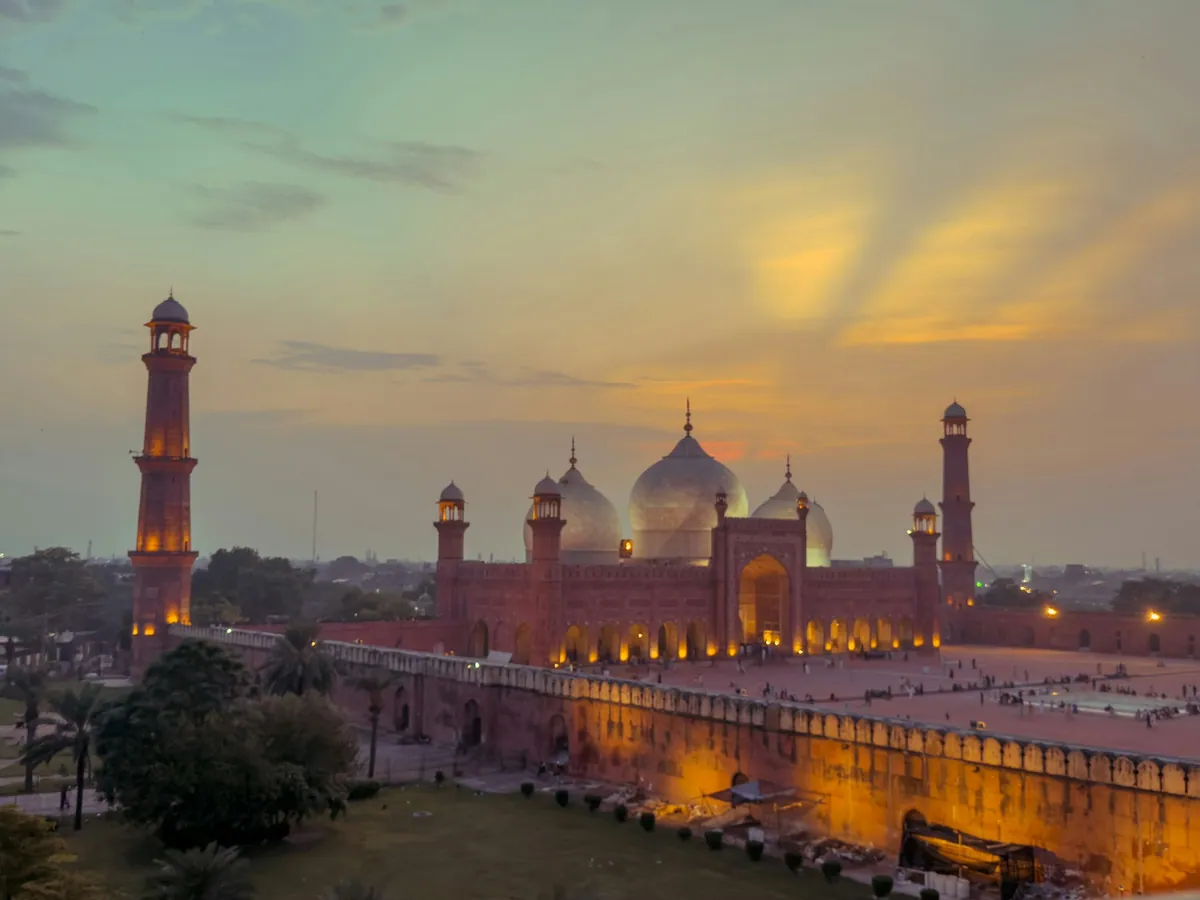
Quick facts
- UNESCO World Heritage sites
- 6 inscribed
- Largest necropolis
- Makli, Thatta, about 10 sq km
- Ranikot Fort wall
- About 26 km, among the longest in the world
What this section covers
- Indus Valley sites
Mohenjo-daro, Harappa, Kot Diji
- Buddhist Gandhara
Takht-i-Bahi, Julian, Dharmarajika at Taxila
- Mughal architecture
Lahore Fort, Badshahi Mosque, Shalimar Gardens, Wazir Khan Mosque
- Forts and defences
Rohtas, Derawar, Ranikot, Baltit and Altit
- Sufi shrines
Sehwan Sharif, Multan, Uch Sharif, Data Darbar
- Necropolises
Makli at Thatta, Chaukhandi tombs
In this section
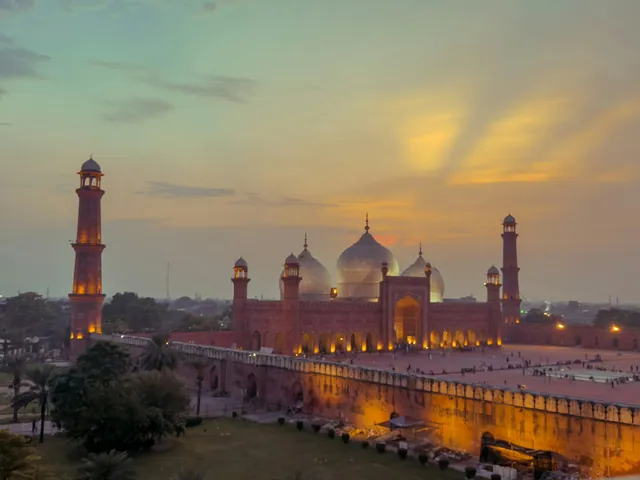 Pakistan's UNESCO World Heritage sitesPakistan has six cultural sites inscribed on the UNESCO World Heritage List: the archaeological ruins at Mohenjo-daro, the Buddhist ruins of Takht-i-Bahi and the neighbouring city remains at Sahr-i-Bahlol, Taxila, the Fort and Shalimar Gardens in Lahore, Rohtas Fort, and the historical monuments at Makli, Thatta.
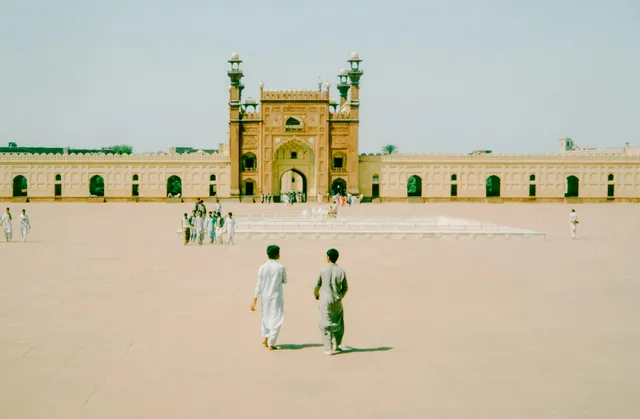
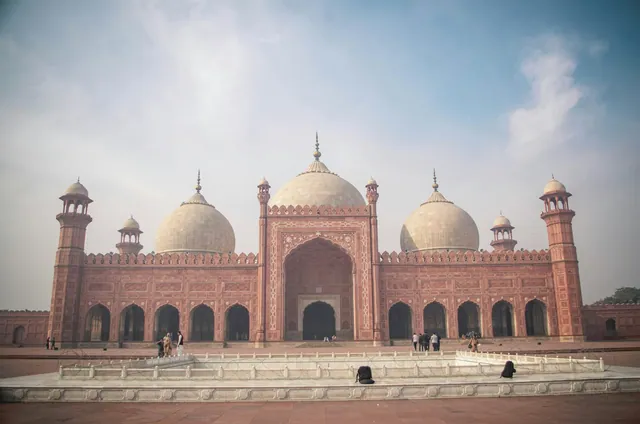 Mughal architecture in PakistanMughal architecture in Pakistan spans roughly 1526 to 1857 and is concentrated in Lahore, Thatta and the Punjab plain. Its landmarks include the Lahore Fort, the Shalimar Gardens of 1641, the Wazir Khan Mosque of 1634, the Badshahi Mosque of 1673 and the Shah Jahan Mosque at Thatta, completed in 1647.
 Forts of PakistanPakistan holds hundreds of forts, from Rohtas Fort near Jhelum, built between 1541 and 1548 and inscribed by UNESCO in 1997, to Ranikot in Sindh, whose outer wall runs about 26 kilometres and is among the longest fort walls in the world. Others include Derawar in Cholistan and Baltit in Hunza.
 Sufi shrines and their architectureSufi shrines are among the most visited historic buildings in Pakistan, and several define regional architectural styles. They include the 14th-century tomb of Shah Rukn-e-Alam in Multan, the shrine of Lal Shahbaz Qalandar at Sehwan in Sindh, Data Darbar in Lahore and the shrine of Shah Abdul Latif Bhittai at Bhit Shah.
Detailed pages
Individual pages for these topics are being researched and written. The overview above is complete and sourced; continue with the Pakistan index or the related sections below.
Key dates and milestones
| When | What happened |
|---|---|
| c. 2500 BCE | Mohenjo-daro built, Sindh |
| 1st century CE | Takht-i-Bahi monastery founded, Khyber Pakhtunkhwa |
| 1541-1548 | Rohtas Fort built by Sher Shah Suri |
| 1673 | Badshahi Mosque completed in Lahore |
| 1980-1981 | Mohenjo-daro, Taxila, Takht-i-Bahi, Thatta and Lahore Fort inscribed by UNESCO |
Practical notes
- Six Pakistani sites are inscribed on the UNESCO World Heritage list; more than 400 monuments are federally protected.
- Most major sites charge a small entry fee in PKR, with separate rates for Pakistani and foreign visitors.
- Photography is allowed at nearly all sites; tripods and drones usually require prior permission.
Where in Pakistan
Punjab · Sindh · Khyber Pakhtunkhwa · Gilgit-Baltistan
Frequently asked questions
- How many UNESCO World Heritage sites are in Pakistan?
- Six: Mohenjo-daro, the Taxila ruins, the Buddhist ruins of Takht-i-Bahi and Sahr-i-Bahlol, the historical monuments at Makli in Thatta, Rohtas Fort, and the Lahore Fort with Shalimar Gardens.
- What is the largest necropolis in Pakistan?
- Makli, outside Thatta in Sindh, covering roughly 10 square kilometres with an estimated half a million tombs built between the 14th and 18th centuries.
- Which Pakistani fort has the longest wall?
- Ranikot Fort in Sindh, whose circuit wall runs about 26 kilometres, making it one of the largest fort walls in the world.