
A reference to Pakistan
Pakistan, explained.
Nine thousand years of history, six World Heritage sites, five peaks above 8,000 metres and a 1,050 km coastline, set out page by page with sourced facts and photography shot in Pakistan.
Pakistan
Start with the country
Ten subject clusters covering the land, its past and its people. Each one is a written page with sourced facts, not a photo listing.
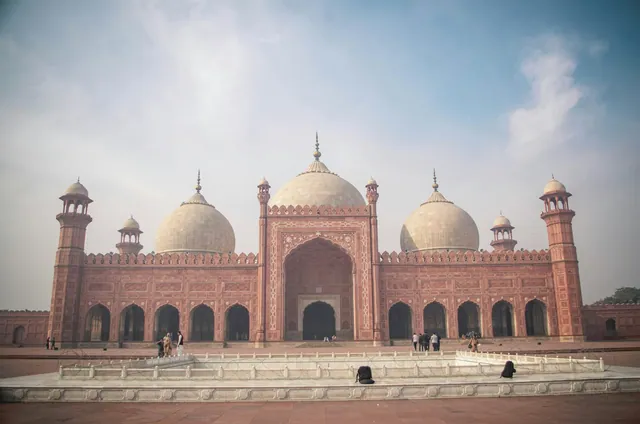
The history of Pakistan spans roughly 9,000 years, from the Neolithic settlement at Mehrgarh in Balochistan through the Indus Valley Civilisation, Gandhara, the Delhi Sultanate, the Mughal Empire, Sikh and British rule, to independence on 14 August 1947. This cluster organises that span into nine eras, each with its dates, its rulers and the places it left behind.
Read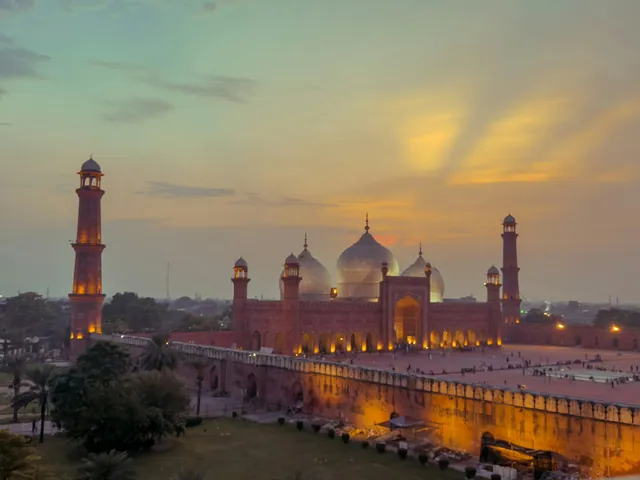
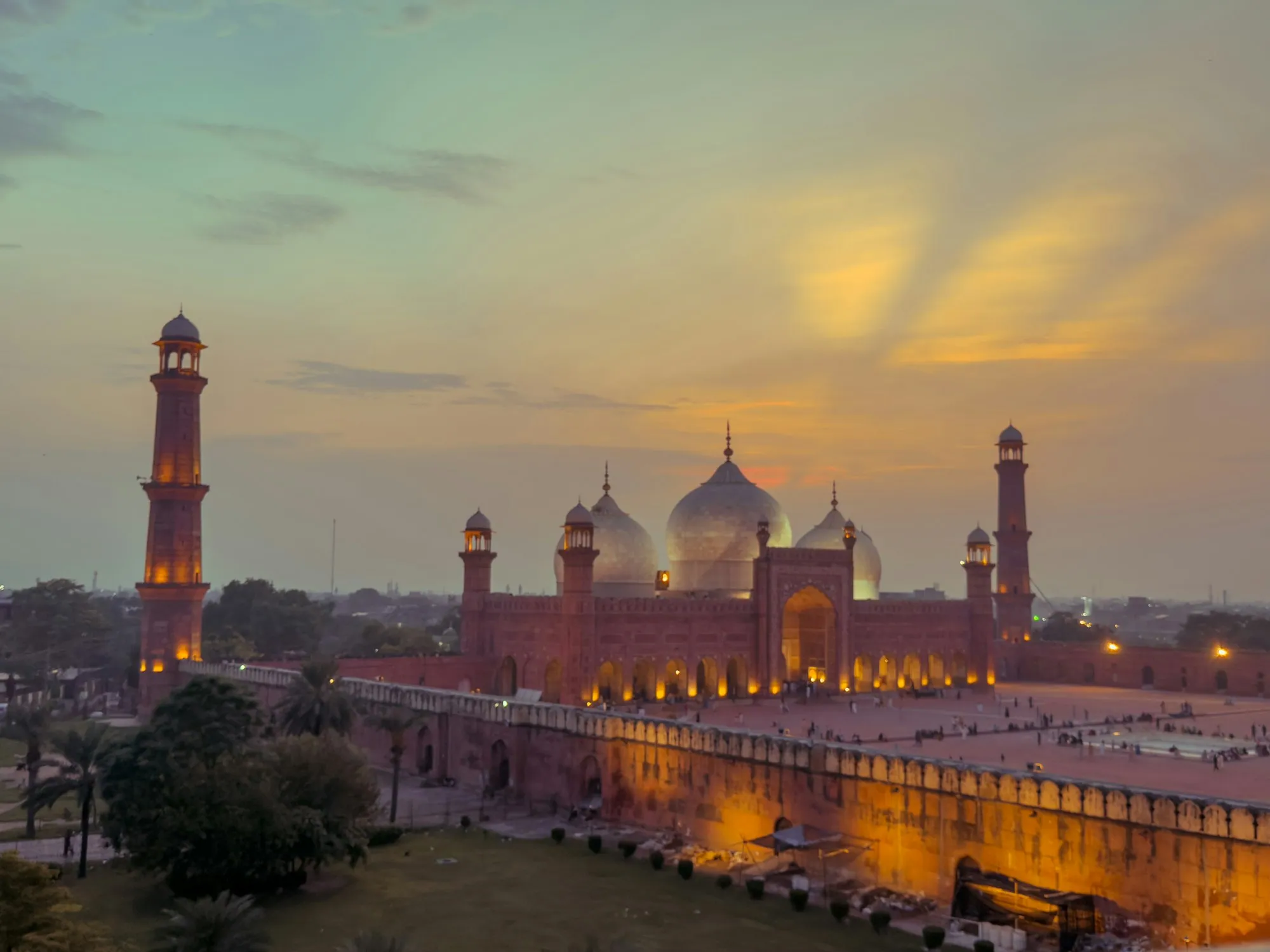
Pakistan holds six UNESCO World Heritage sites and thousands of protected monuments, including the mud-brick city of Mohenjo-daro, the Buddhist ruins at Takht-i-Bahi, Lahore Fort and Shalimar Gardens, the necropolis of Makli at Thatta, Rohtas Fort and the Sufi shrines of Multan. This cluster covers forts, stupas, shrines, mosques and archaeological sites.
Read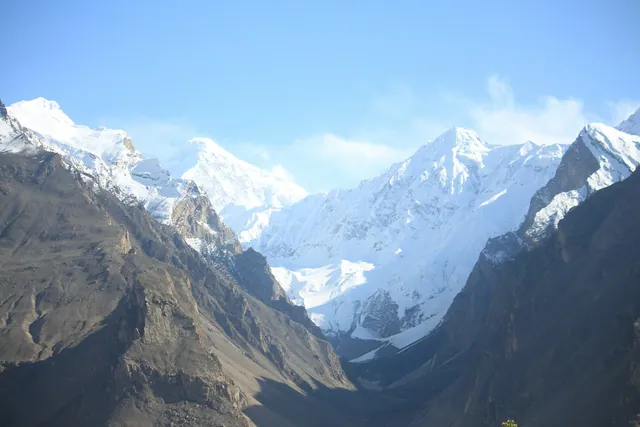
Pakistan is administered as four provinces, Punjab, Sindh, Khyber Pakhtunkhwa and Balochistan, plus Islamabad Capital Territory and the administrative territories of Gilgit-Baltistan and Azad Jammu and Kashmir. Together they cover 881,913 square kilometres and hold a population of about 241 million. This cluster covers provinces, valleys and cities.
Read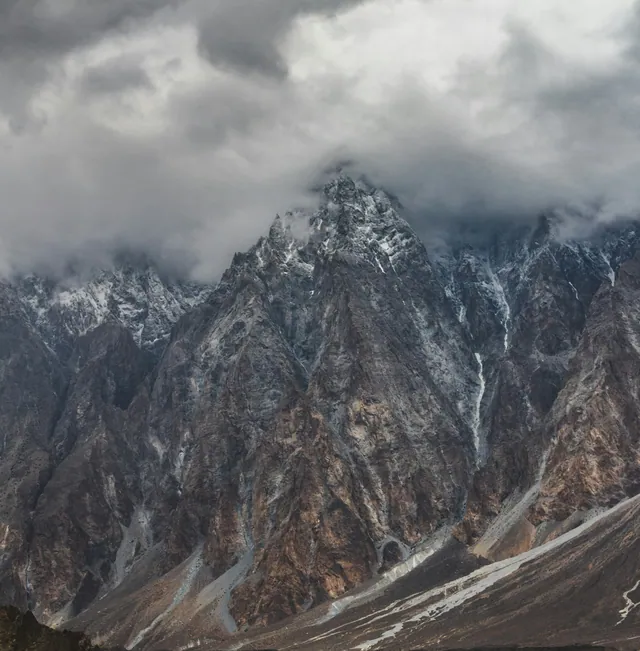
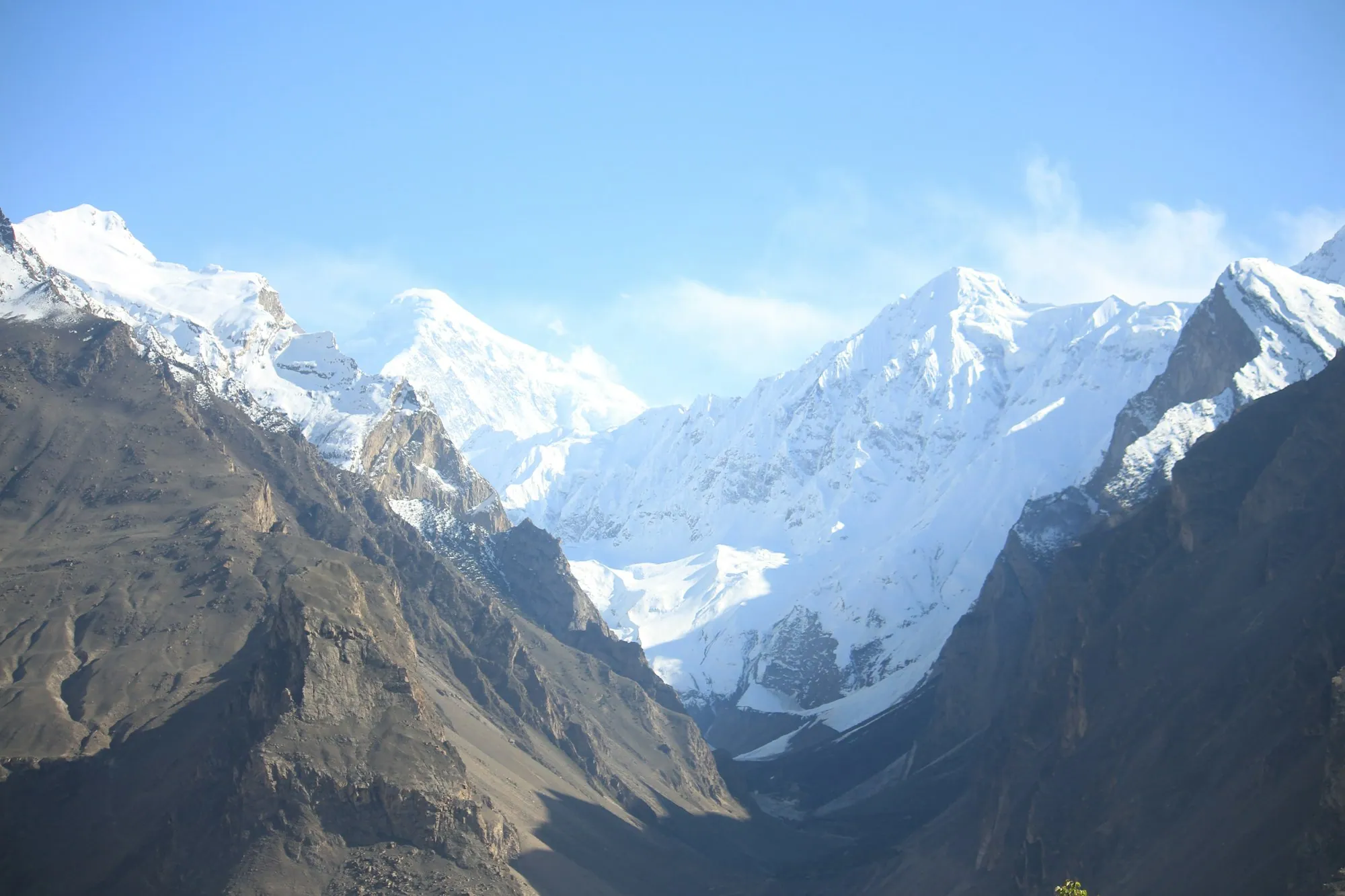
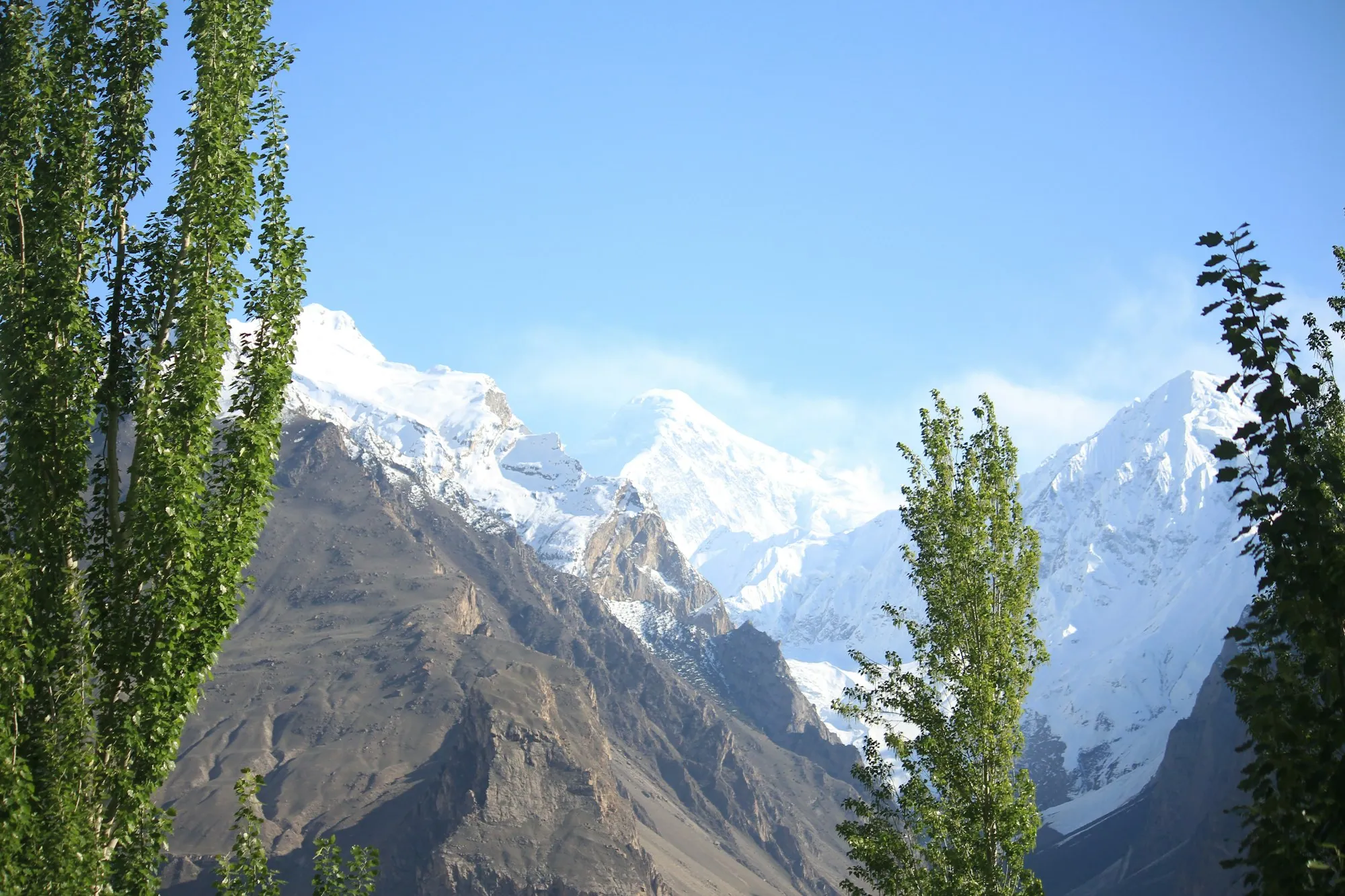
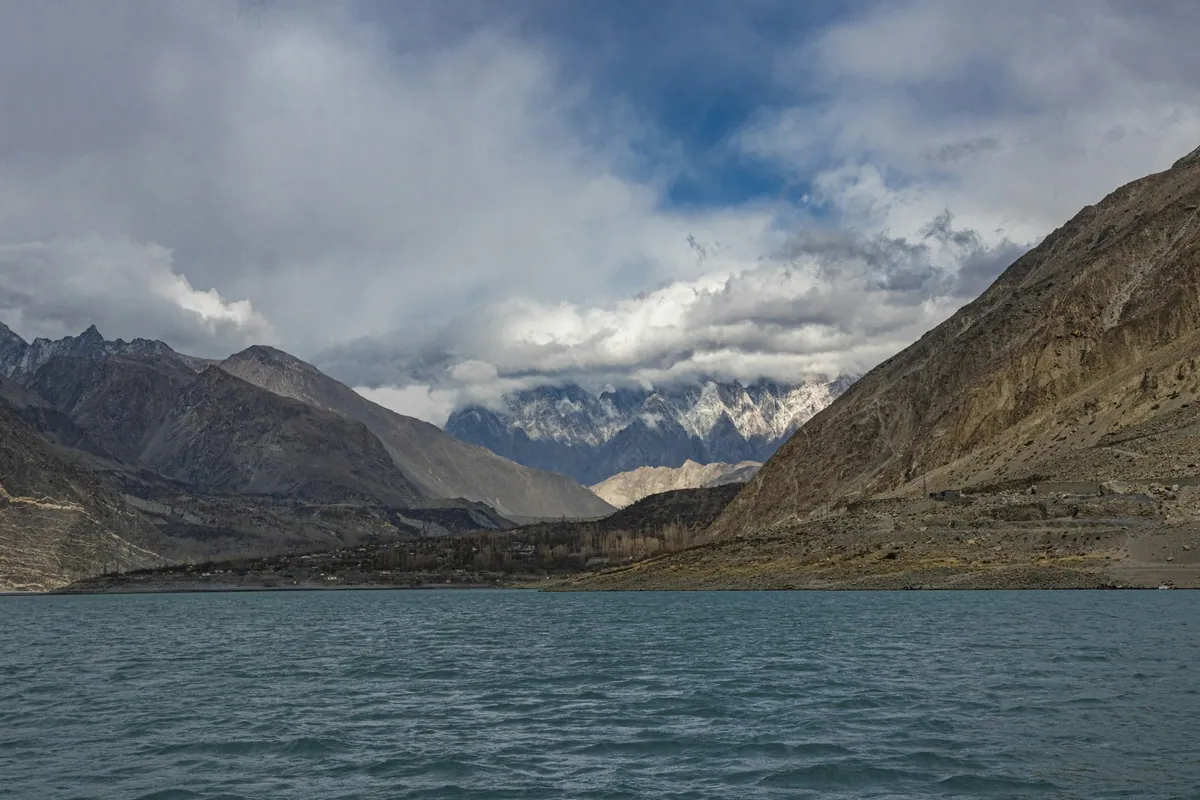
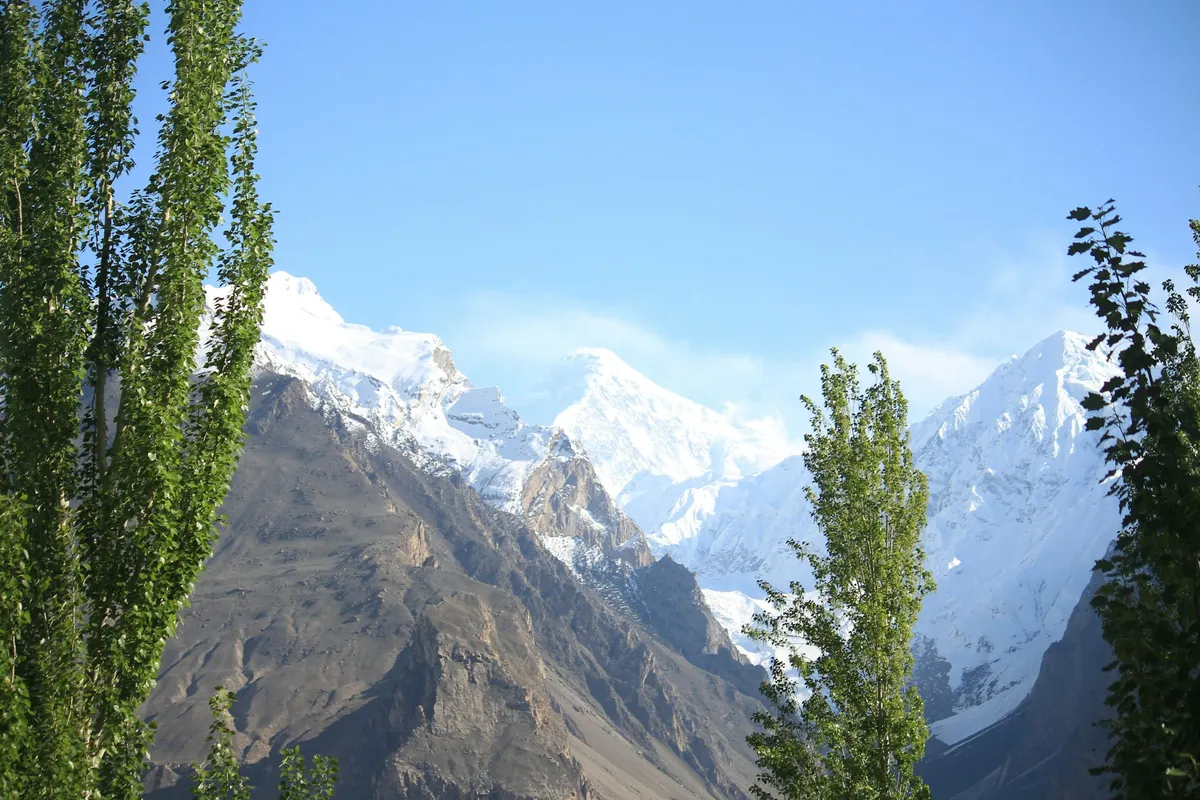
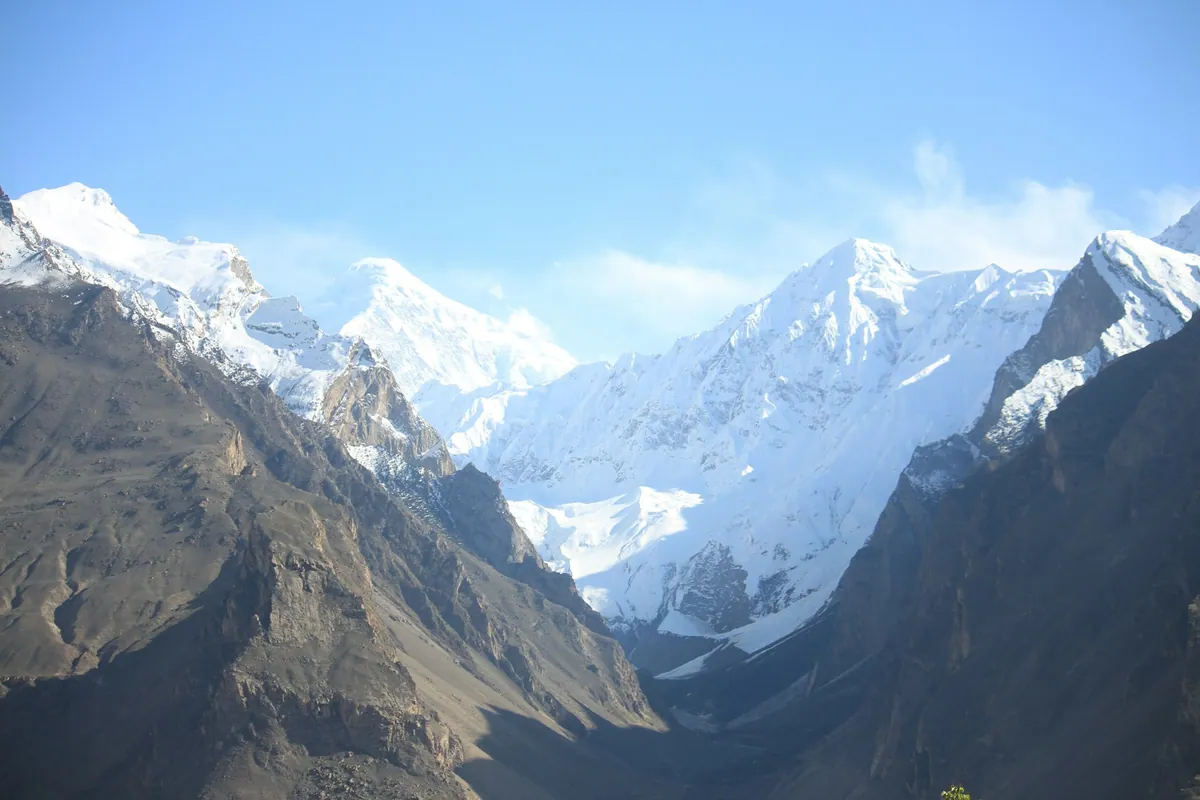
Pakistan contains five of the world's fourteen peaks above 8,000 metres and more than 100 peaks above 7,000 metres, spread across three great ranges that meet near Jaglot: the Karakoram, the Himalaya and the Hindu Kush. K2, at 8,611 metres, is the second highest mountain on Earth. This cluster covers peaks, ranges, passes and glaciers.
Read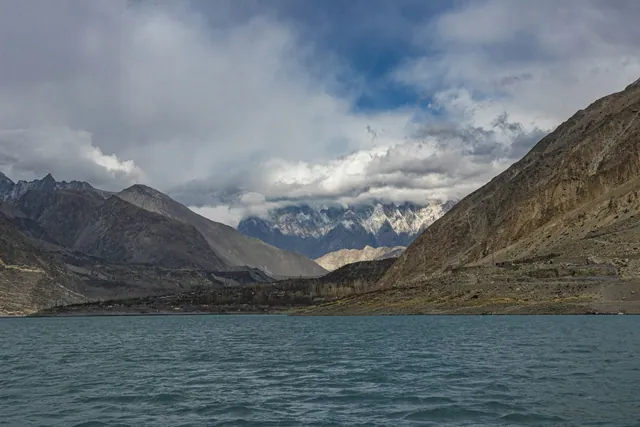
The Indus river runs about 3,180 kilometres from the Tibetan plateau to the Arabian Sea and, with its five Punjab tributaries, drains almost the whole of Pakistan. The basin supports the largest contiguous irrigation system in the world. This cluster covers rivers, basins, barrages and the alpine and salt lakes fed by them.
Read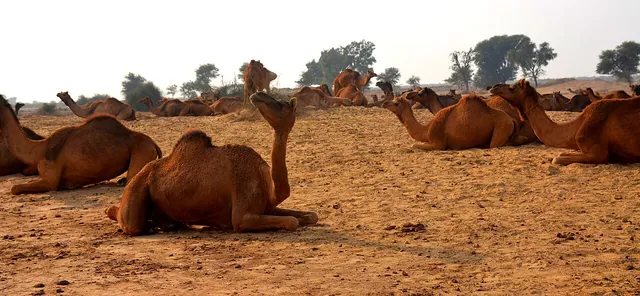
Pakistan has four major deserts: Thar in south-eastern Sindh, Cholistan in southern Punjab, Thal between the Indus and Jhelum, and the Kharan desert in Balochistan. The Thar, shared with India, is the only subtropical desert in the world with a substantial rural population, at roughly 1.6 million people on the Pakistani side.
Read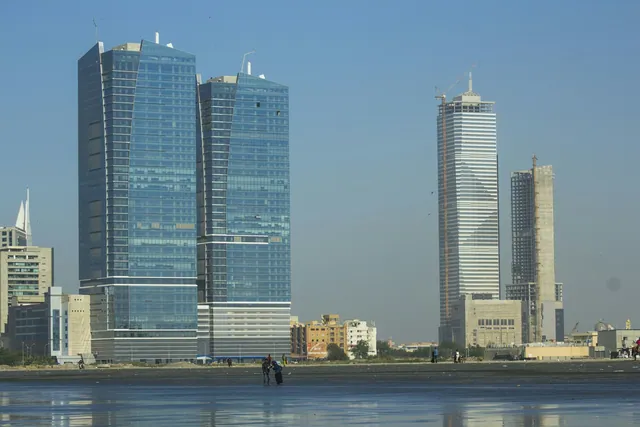
Pakistan's coastline runs about 1,050 kilometres along the Arabian Sea, split between the Makran coast of Balochistan and the deltaic Sindh coast. The Makran side is a desert shoreline of hammerhead cliffs, mud volcanoes and fishing towns; the Sindh side holds the Indus delta, the world's fifth largest mangrove system.
Read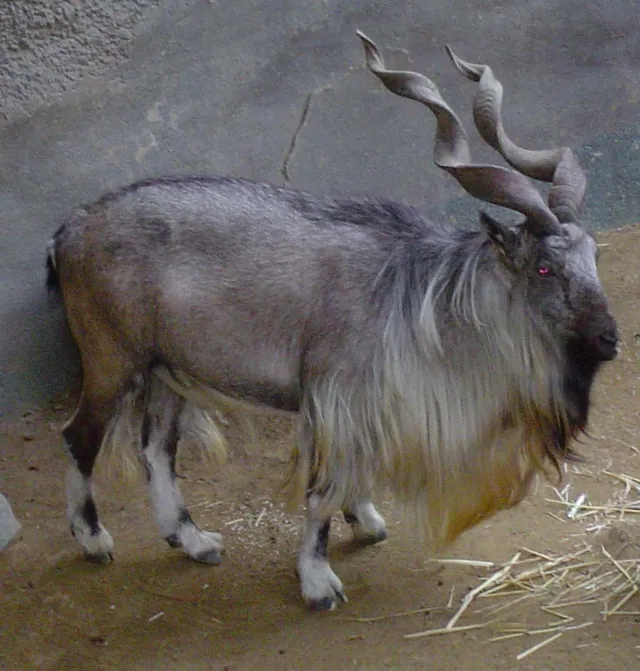
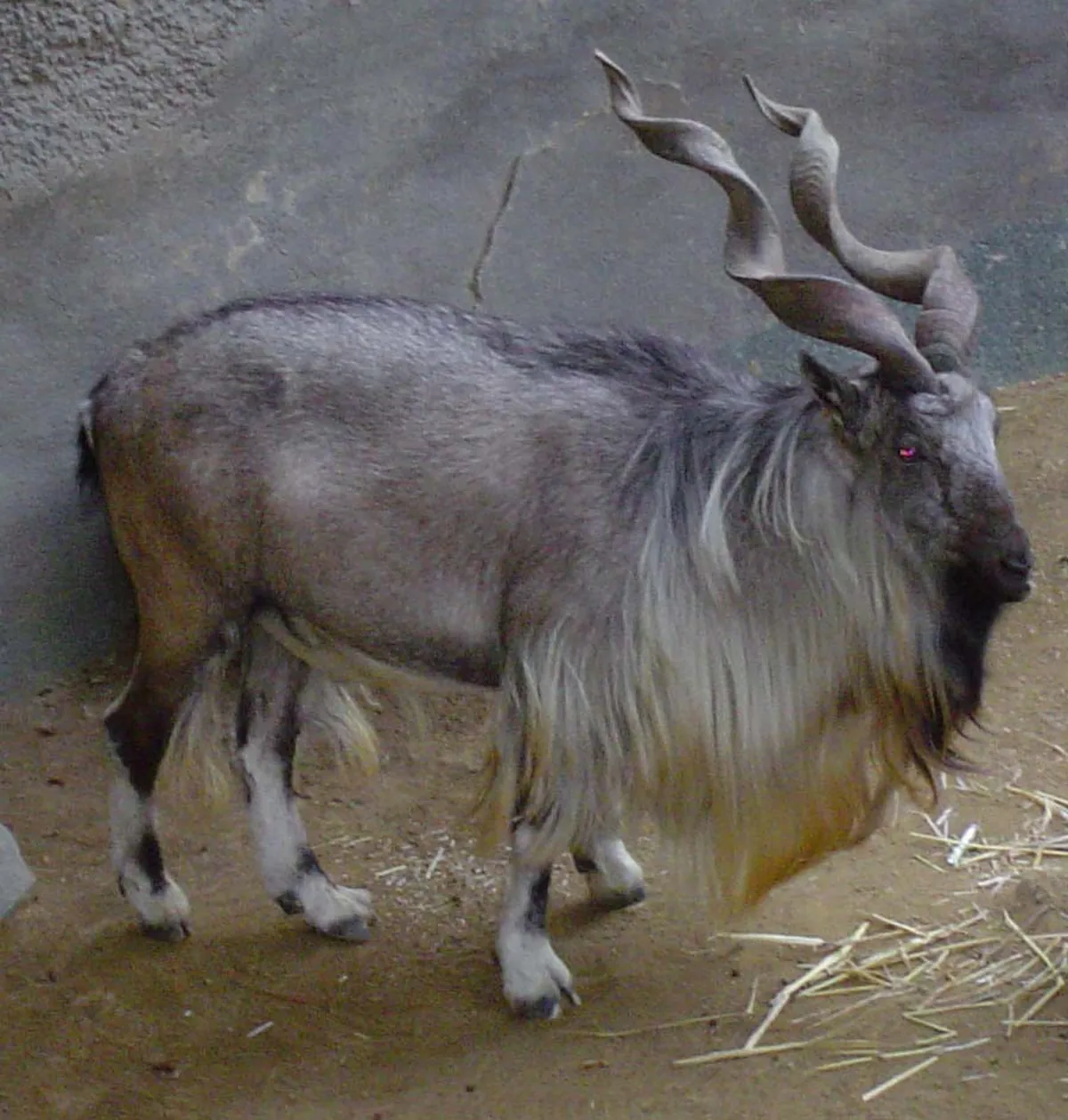
Pakistan protects about 30 national parks and more than 100 wildlife sanctuaries across habitats that run from the Karakoram to mangrove swamp. The national animal is the markhor, a wild goat that recovered from near-extinction through community conservation in Gilgit-Baltistan and Khyber Pakhtunkhwa. This cluster covers parks and species.
Read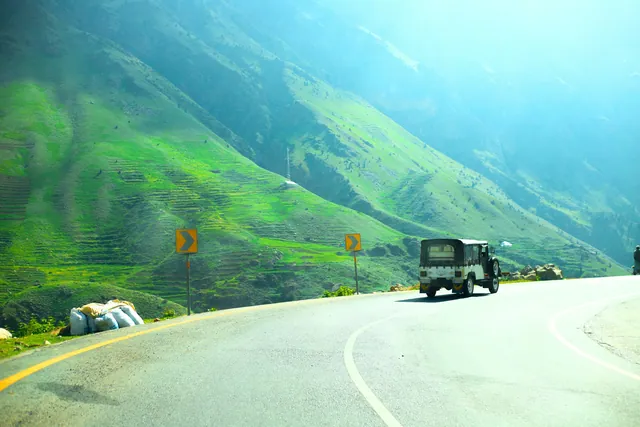
Pakistan has more than 70 living languages, with Urdu as the national language and Punjabi, Pashto, Sindhi, Saraiki and Balochi among the largest by speakers. Its cultural output runs from qawwali and Sufi poetry to truck art, ajrak block printing, blue pottery and a regional food map that changes every few hundred kilometres.
Read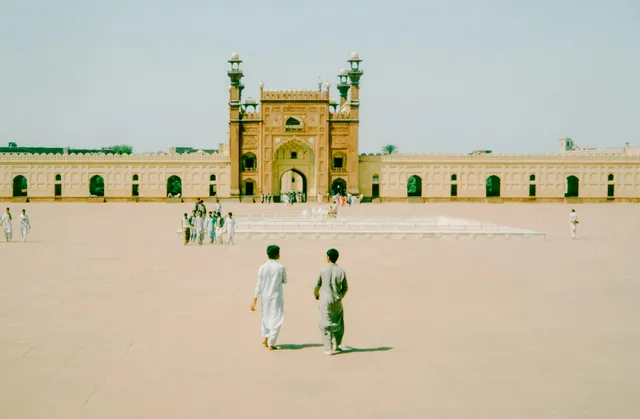
Pakistan's festival calendar mixes religious observance, harvest and seasonal gatherings, and regional sporting events. Eid al-Fitr and Eid al-Adha are the two national religious holidays; the Shandur Polo Festival, played each July at 3,700 metres, is the highest polo tournament in the world.
ReadPhoto archive
Pakistan in pictures, by subject
The archive is the second half of Pixistan: photographs and films shot in Pakistan, free to browse and licensed in PKR.
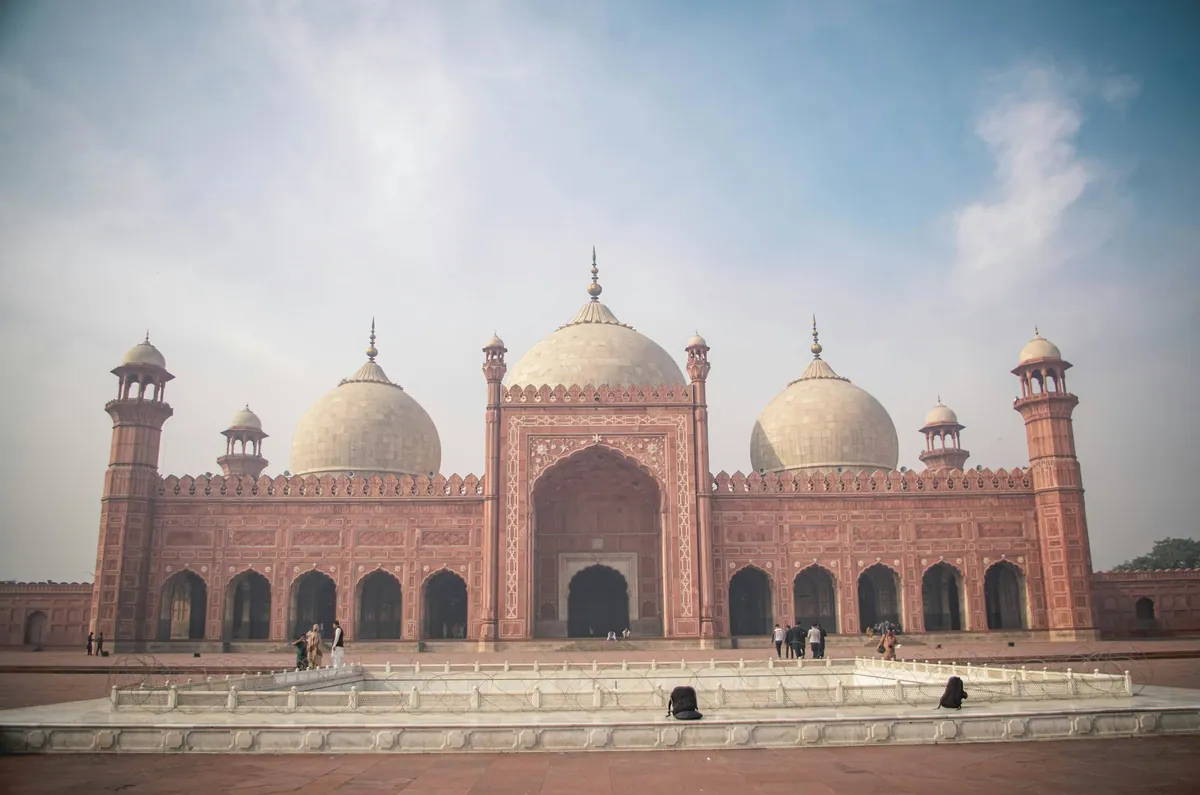

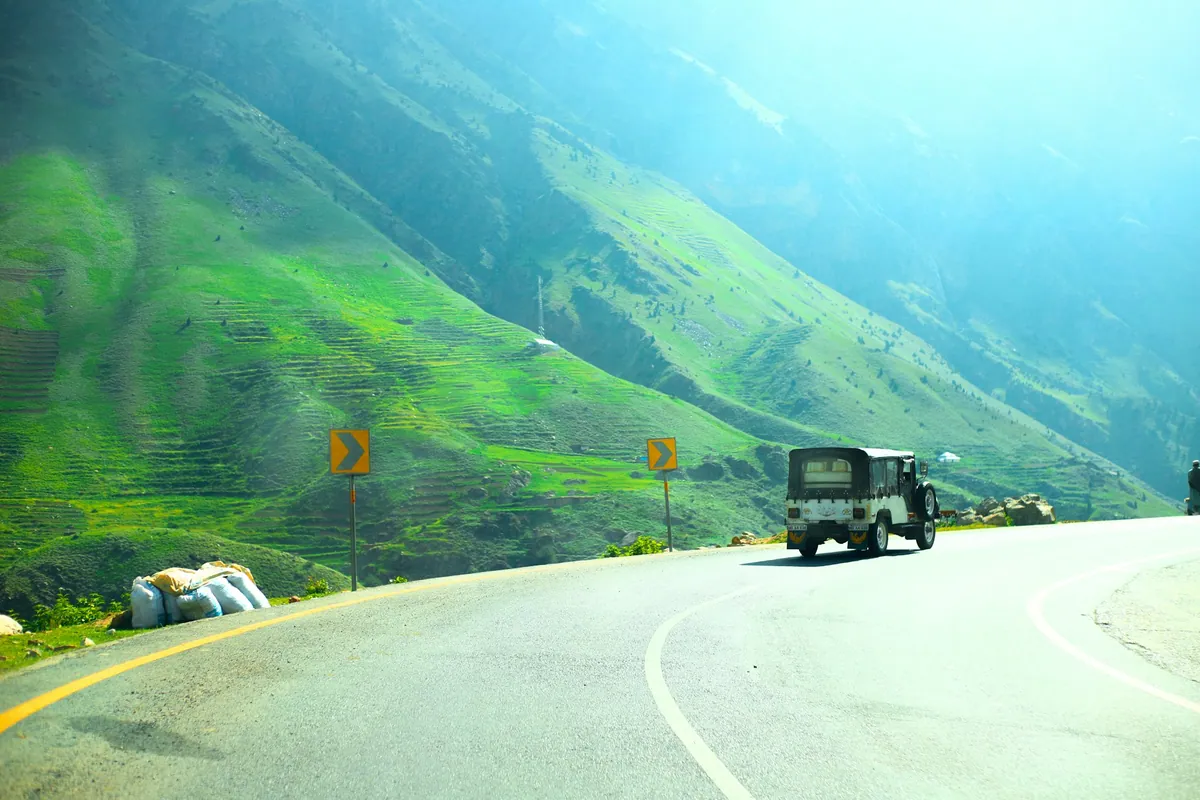
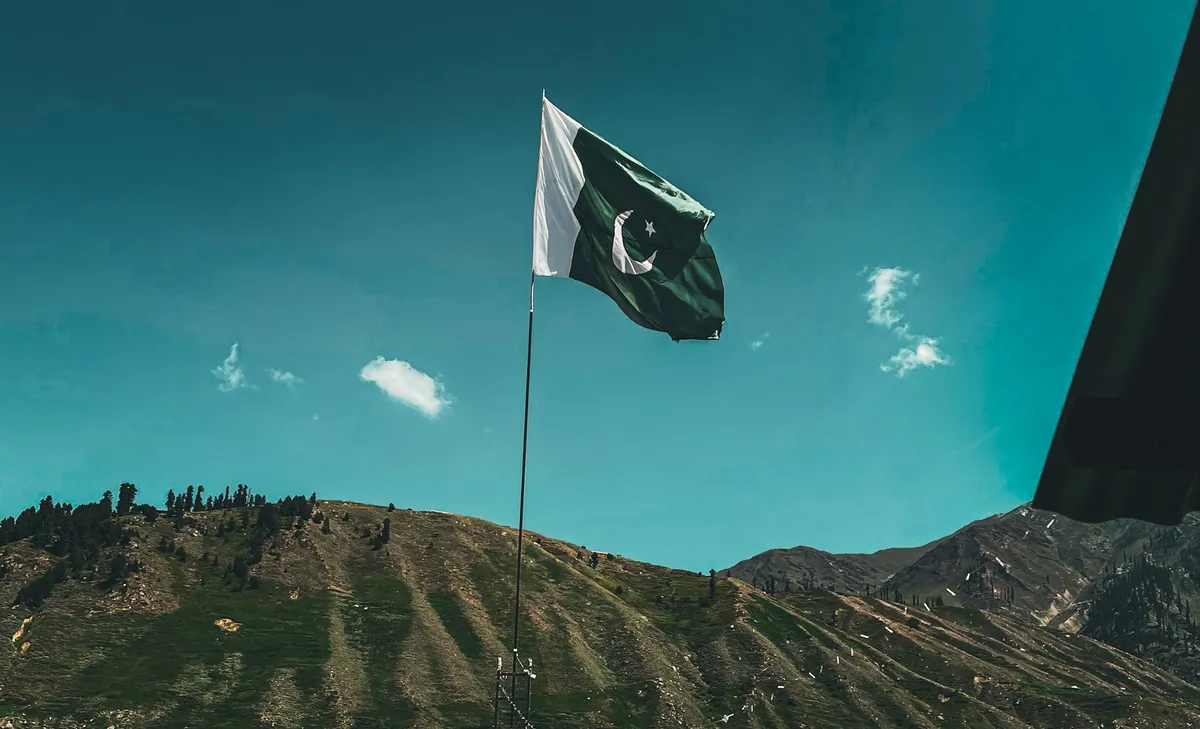
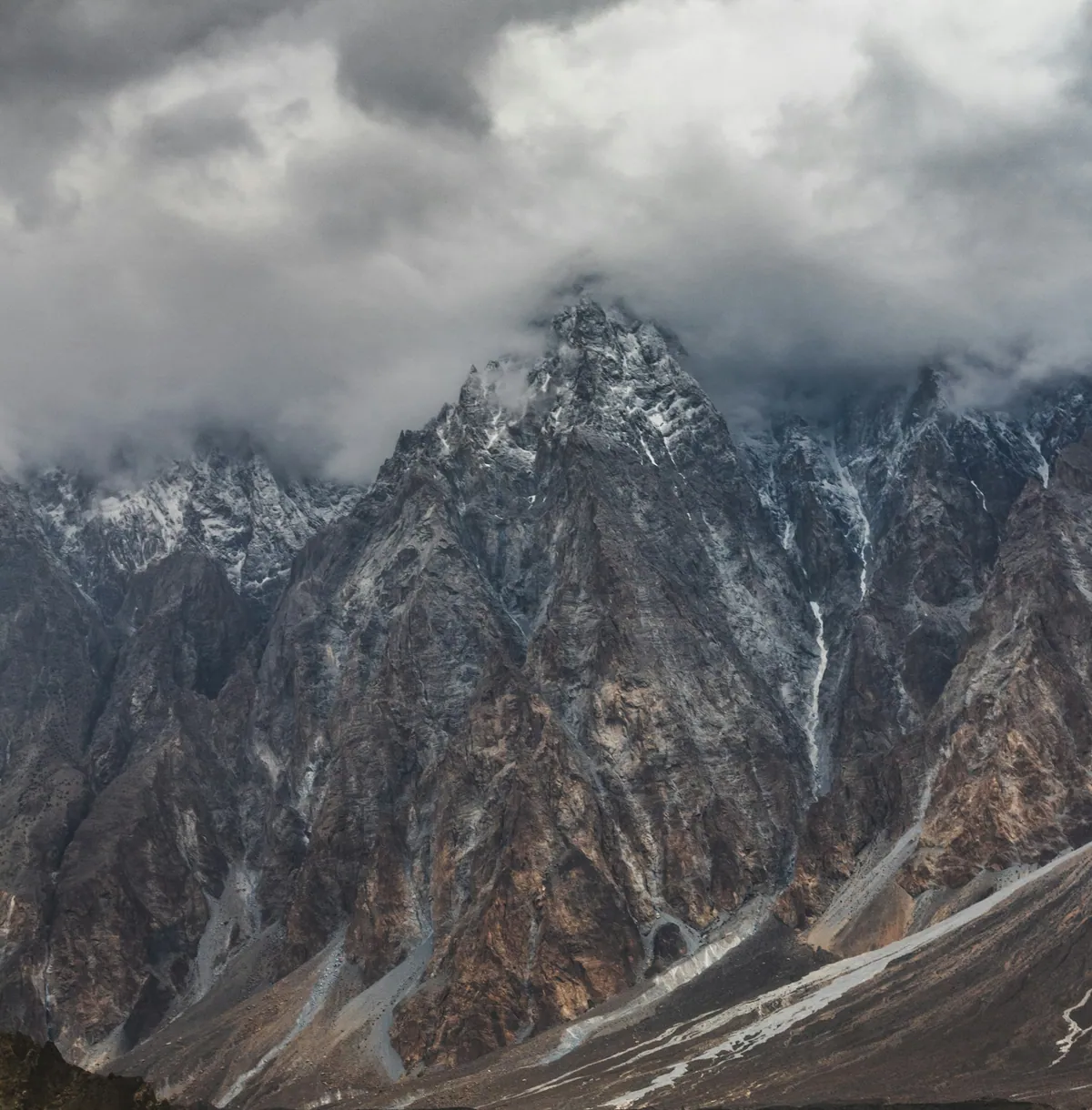
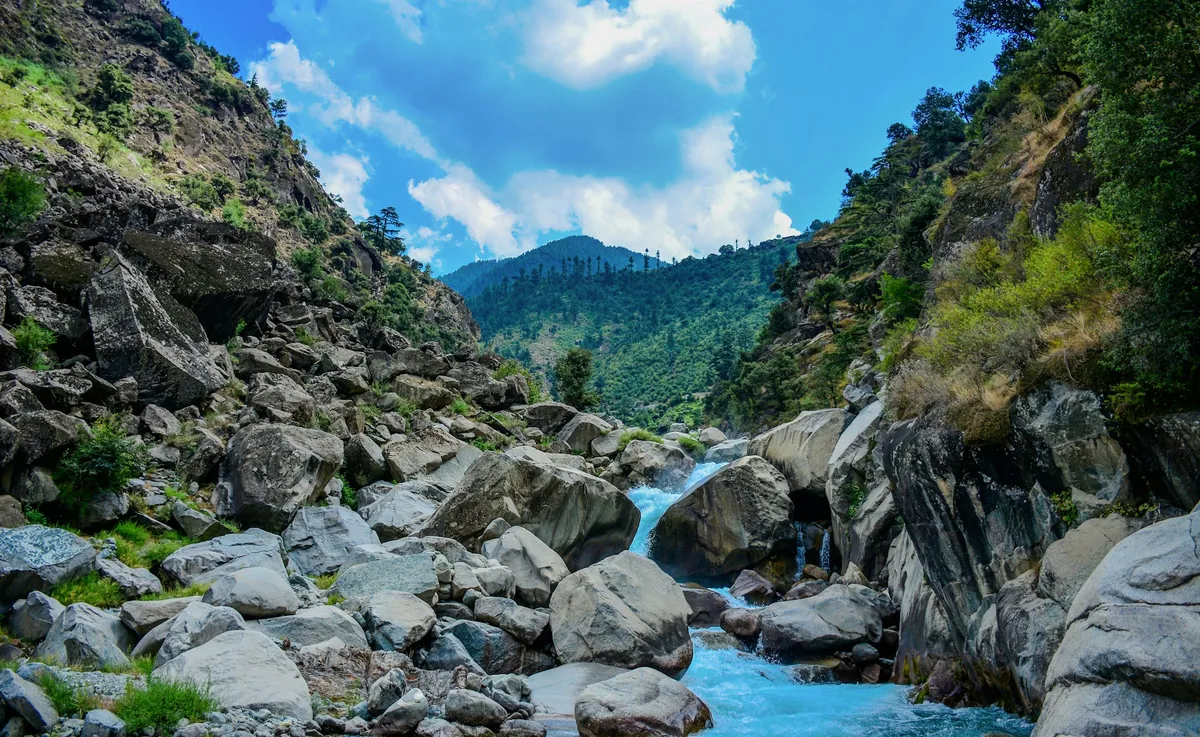
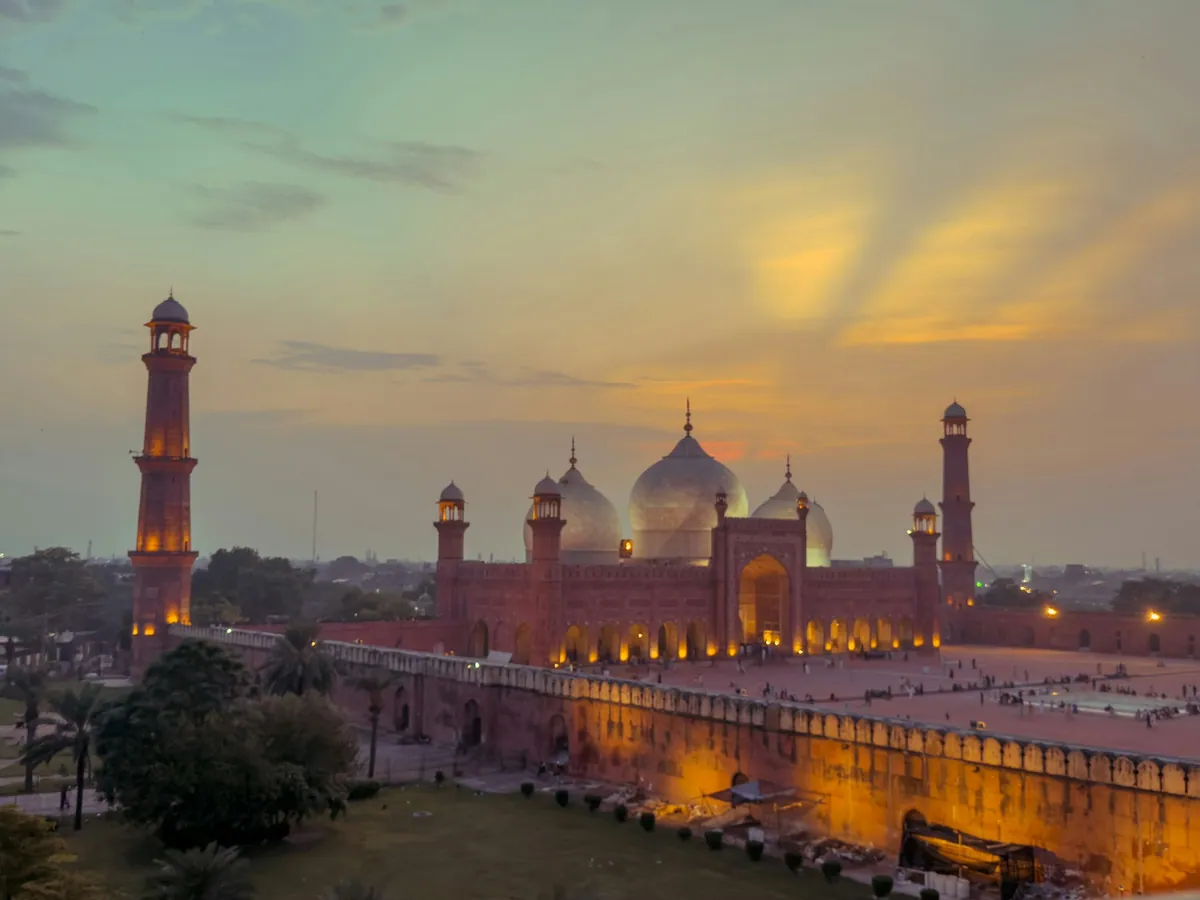
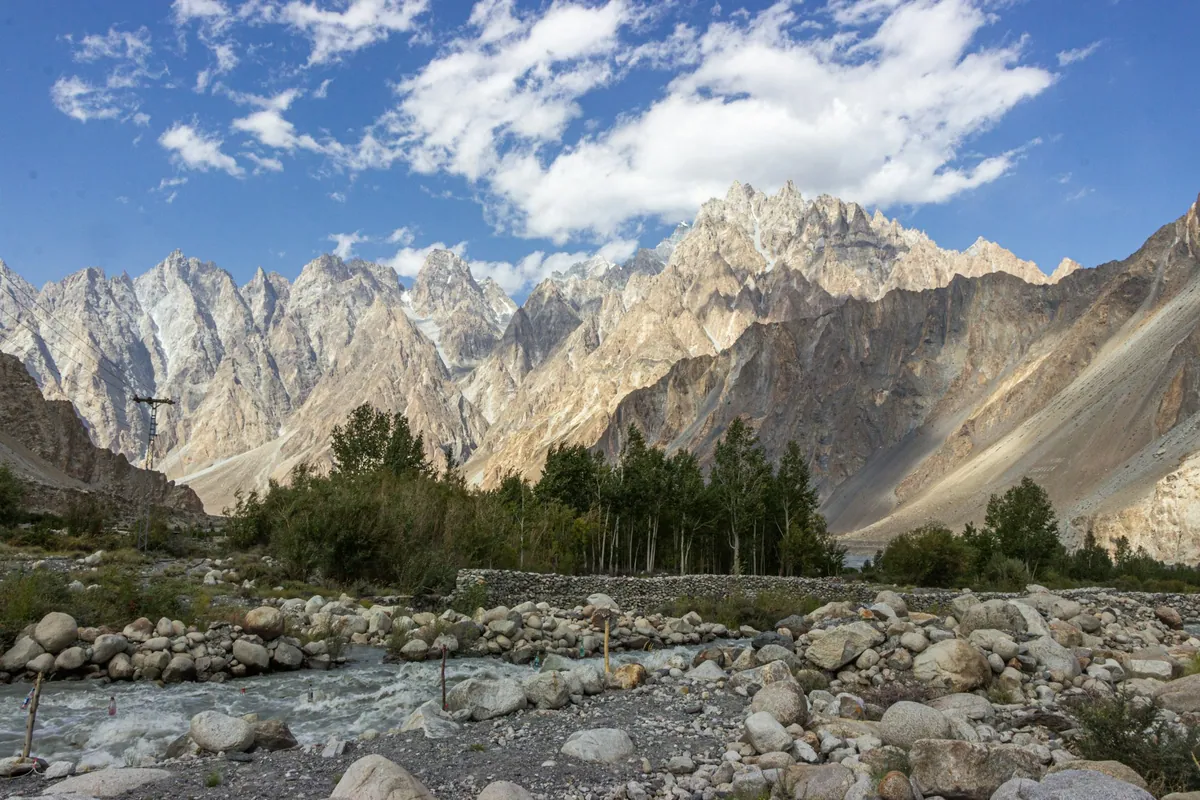
Pakistan by subject
A visual walk through Pakistan
Every subject shown as a mini-grid of Pakistani images. Tap a tile to open the full archive.
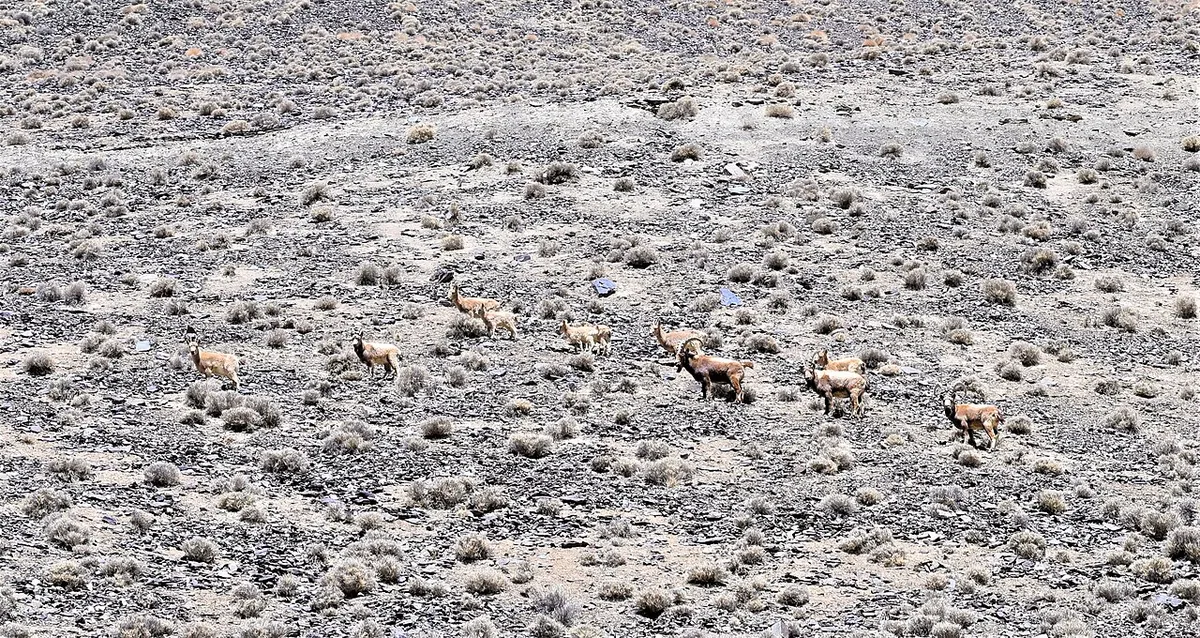
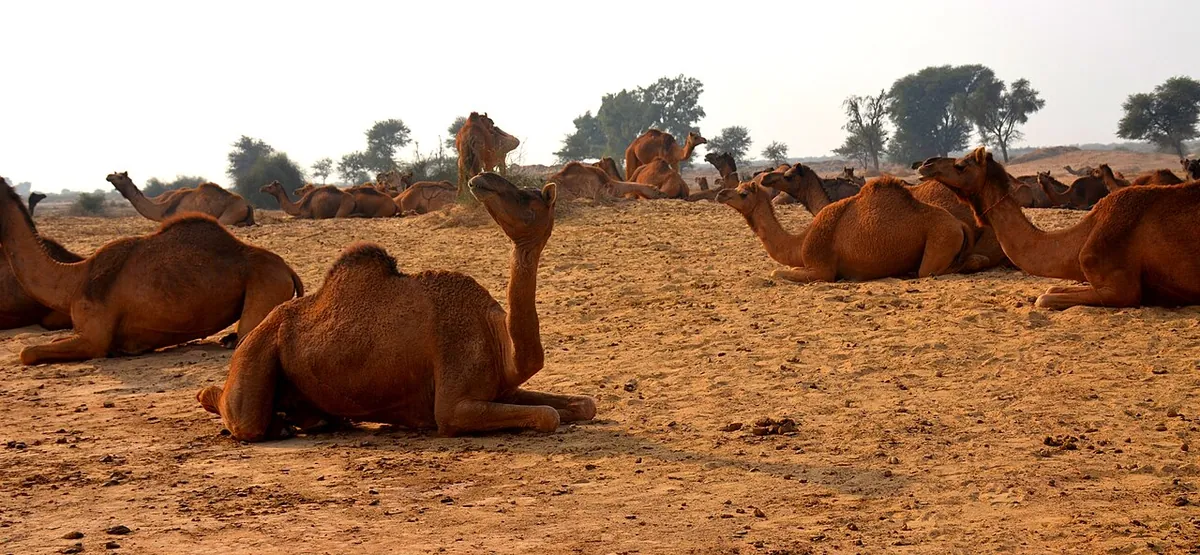
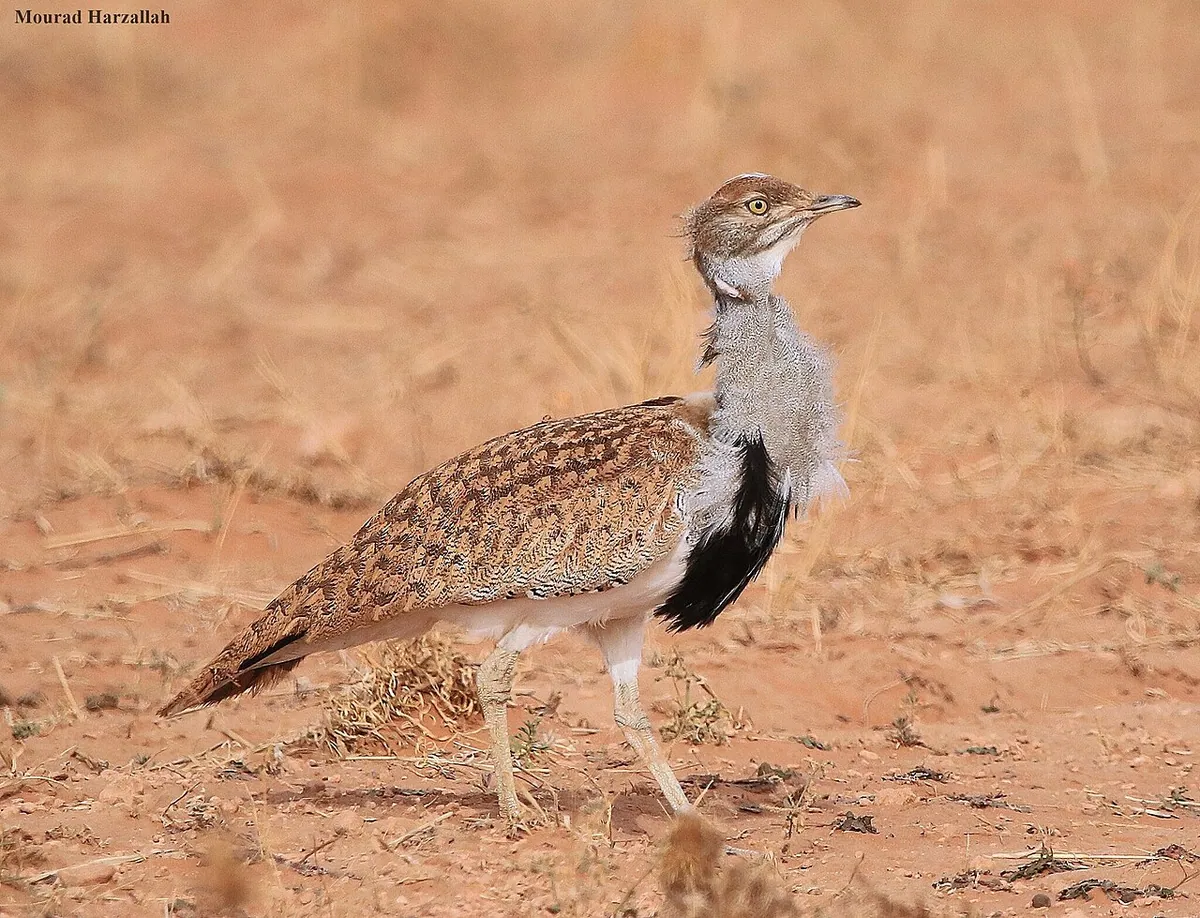
Animals & Wildlife
Snow leopards in Chitral, markhor above Skardu, Indus dolphins and desert houbara.
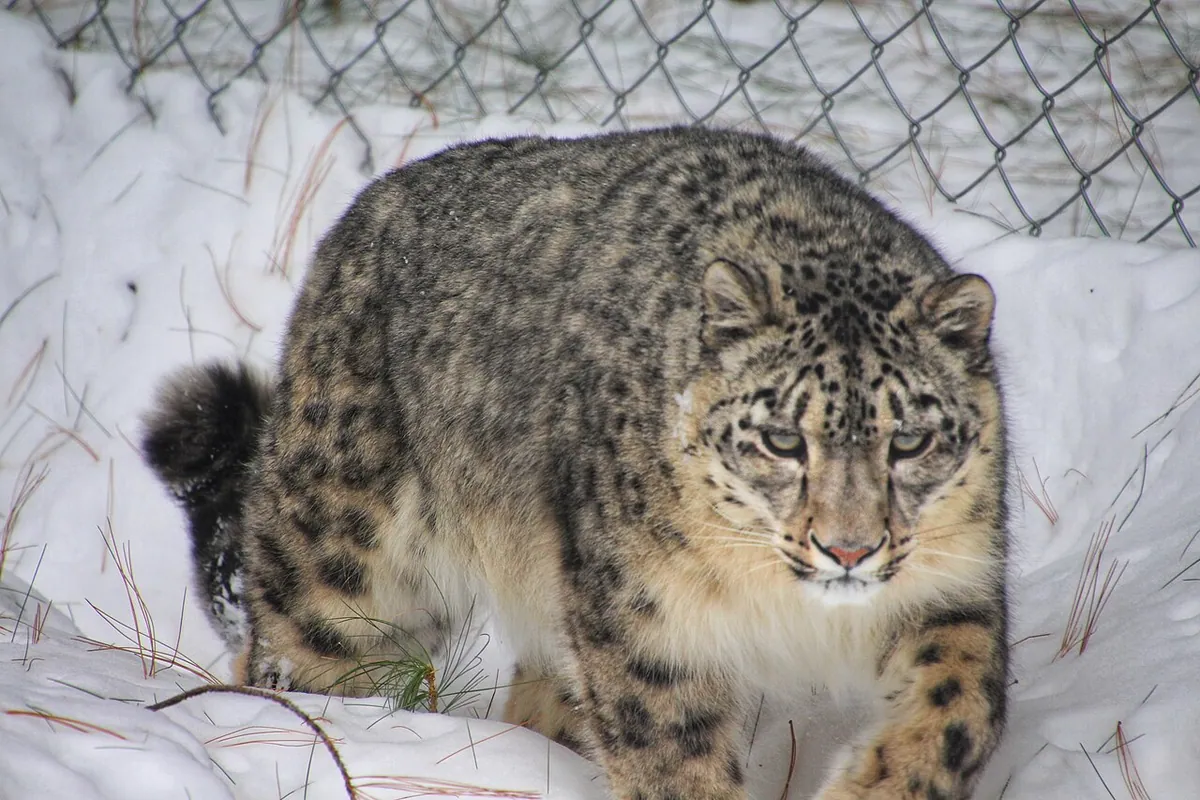
The map
Pakistan on the map
Tap any green pin to open that place — its history, landscape, best season and travel notes.
Destinations
Explore every region of Pakistan
Browse curated destinations across all provinces and territories.
- HunzaKarakoram peaks, Baltit Fort and apricot terraces.
- SkarduCold desert, Shangrila lake and the gateway to K2.
- Gilgit-BaltistanThe roof of Pakistan — glaciers, 8,000 m giants, the KKH.
- Fairy MeadowsAlpine meadow facing Nanga Parbat (8,126 m).
- NaranSaif-ul-Malook lake and the Babusar road.
- Kaghan ValleyPine forests, the Kunhar river and summer meadows.
- MurreeColonial-era hill station and Pakistan's first snow escape.
- SwatGreen valleys, Kalam and Buddhist-era ruins.
- ChitralKalash valleys, Tirich Mir and Shandur polo.
- PeshawarQissa Khwani bazaar, Mahabat Khan Mosque, Pashtun food.
- IslamabadMargalla hills, Faisal Mosque and Pir Sohawa.
- Neelum ValleyKashmir's river valley — Keran, Sharda, Arang Kel.
- LahoreMughal monuments, the Walled City and street food.
- MultanCity of Saints — blue-tiled shrines and Saraiki heritage.
- BahawalpurNoor Mahal, Sadiq Garh and the Nawabi legacy.
- Cholistan DesertDerawar Fort, dunes and the February jeep rally.
- QuettaOrchards, Hanna lake and the Ziarat junipers nearby.
- GwadarMakran coast, hammerhead cliffs and turquoise sea.
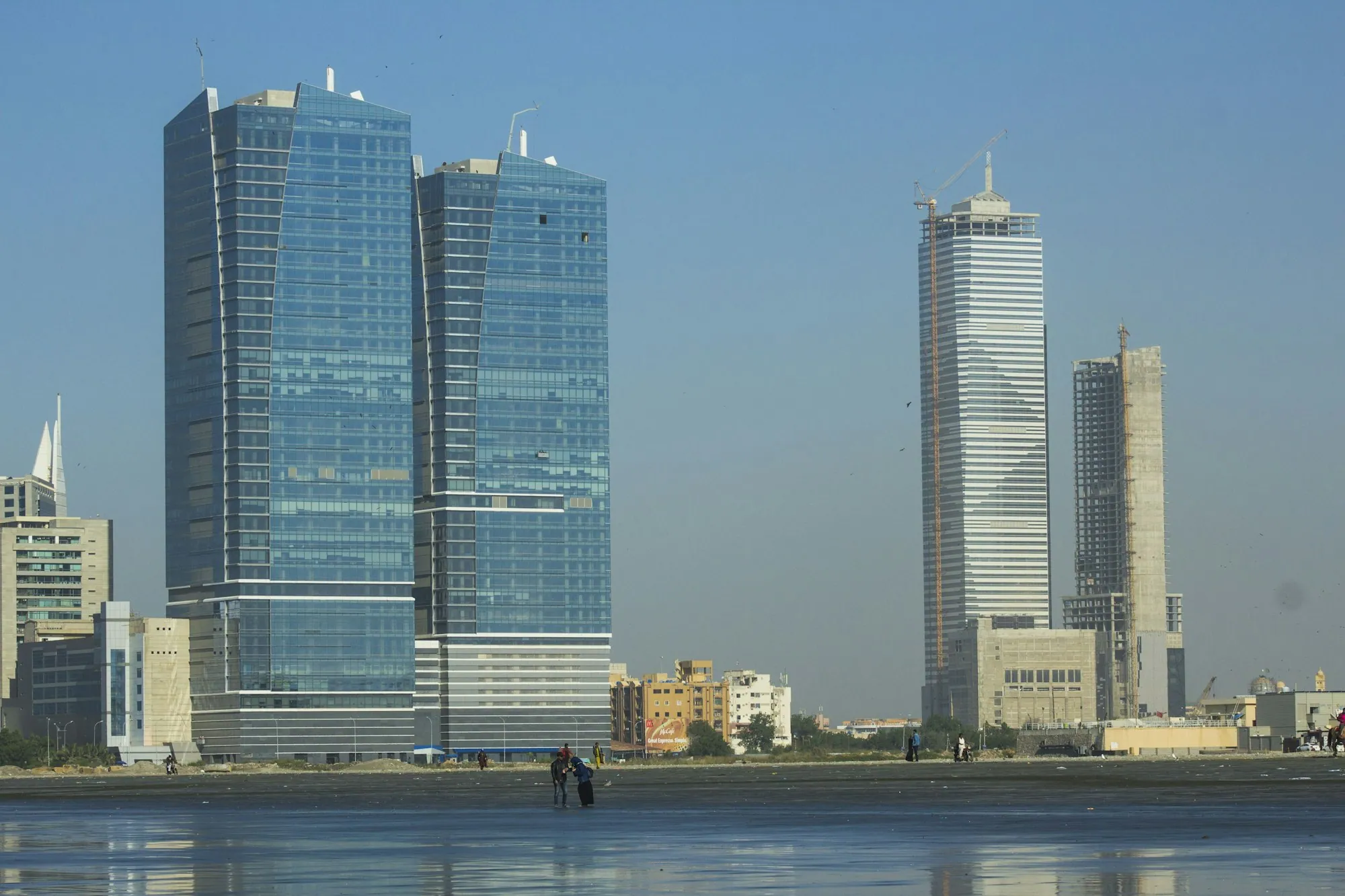
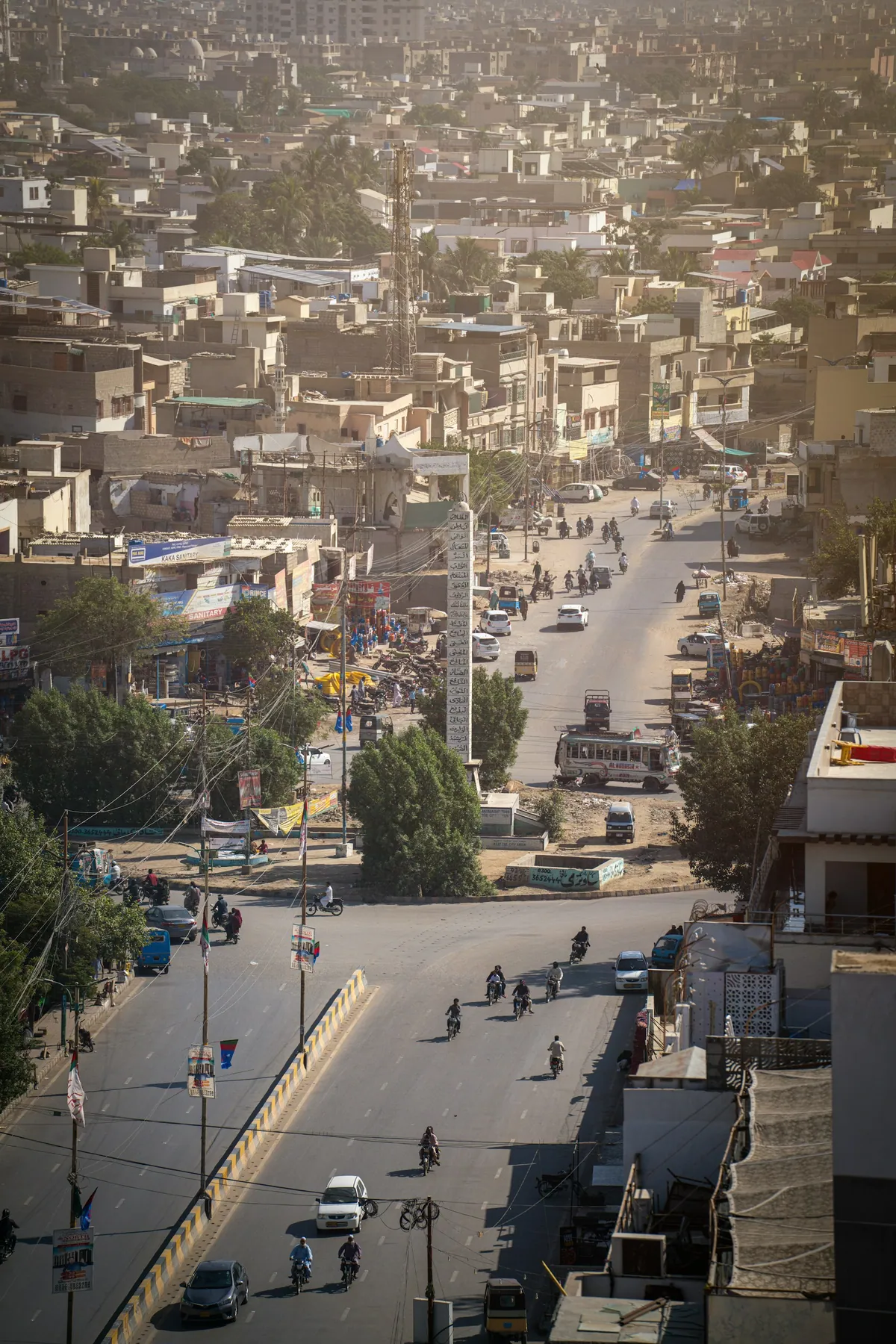
- KarachiThe port megacity — Clifton, Empress Market, the coast.
Why Pixistan
Shot by Pakistanis, for Pakistan's story.
Pixistan is a locally sourced visual archive of Pakistan. Contributors live or work in the valleys, cities and coastlines they photograph, from Hunza and Skardu in the north to Multan, Quetta and Karachi. Licensing is available in Pakistani Rupees, alongside the rest of the archive.
Shot by Pakistanis
Contributors live and shoot in the regions they cover. Reference images from open archives are labelled as such.
For Pakistan's story
Captions read like field notes, written from local knowledge of the place, the season and the people in the frame.
Cleanly licensed
Personal, editorial and commercial licenses are priced in PKR so Pakistani editors and agencies pay their own currency.
Ready when you are
Full-resolution downloads are delivered instantly and stay in your library for repeat use.
Licensing
How licensing works
Personal & editorial
Blogs, classroom decks, news features and non-commercial projects, with credit.
See licence termsExtended
Unlimited print runs, resale products and broadcast use, agreed case by case.
See licence termsFAQ
Questions, answered.
How licensing, uploading and moderation work on Pixistan. Every answer is on the page so search engines can read it directly.
What is Pixistan?
Pixistan is a locally sourced visual archive of Pakistan. Photographs, films and travel writing are produced by contributors who live and shoot across the country, from Hunza in the north to Karachi on the coast.
Can I download photos for free?
Free downloads are available at social-media resolution, roughly 480 pixels wide. Full-resolution files for print, web and commercial use are available under a commercial license.
How does licensing a photo of Hunza or Lahore work?
Licensing depends on how the image is used — editorial features, campaigns and merchandise each have different terms. Tell us your usage and we send the terms for that asset.
Can I use these photos for commercial projects in Pakistan?
Yes. Commercial licenses cover advertising, packaging, apps and paid campaigns in Pakistan and internationally. The license terms are visible on each media page before you buy.
Why are preview images watermarked?
Preview files carry a low-opacity diagonal Pixistan watermark so contributors' work is protected while it is discoverable. The licensed download you receive after payment has no watermark.
How do I upload my own photos or films?
Create a free account, open Studio, then Upload. Drop your files, add titles, region and category tags, and submit. Your work enters the moderation queue and is published to Pixistan once an editor approves it.
How long does moderation take?
Most submissions are reviewed within 48 hours. Editors check technical quality and confirm the work fits the archive brief of nature, places and culture inside Pakistan.
Who can publish on the Pixistan blog?
The editorial blog is written by the Pixistan editorial team. Community contributors can publish first-person trip diaries on the Stories page, which is open to any signed-in member.
How are contributors paid?
Contributors keep 70 percent of every license fee. Earnings appear in your Studio dashboard and are paid out monthly by bank transfer, JazzCash or Easypaisa.
How do I contact the Pixistan team?
Email hello@pixistan.com for licensing, partnerships or press. Replies are usually within one working day.
Coverage
Pakistan travel photography — regions covered by Pixistan
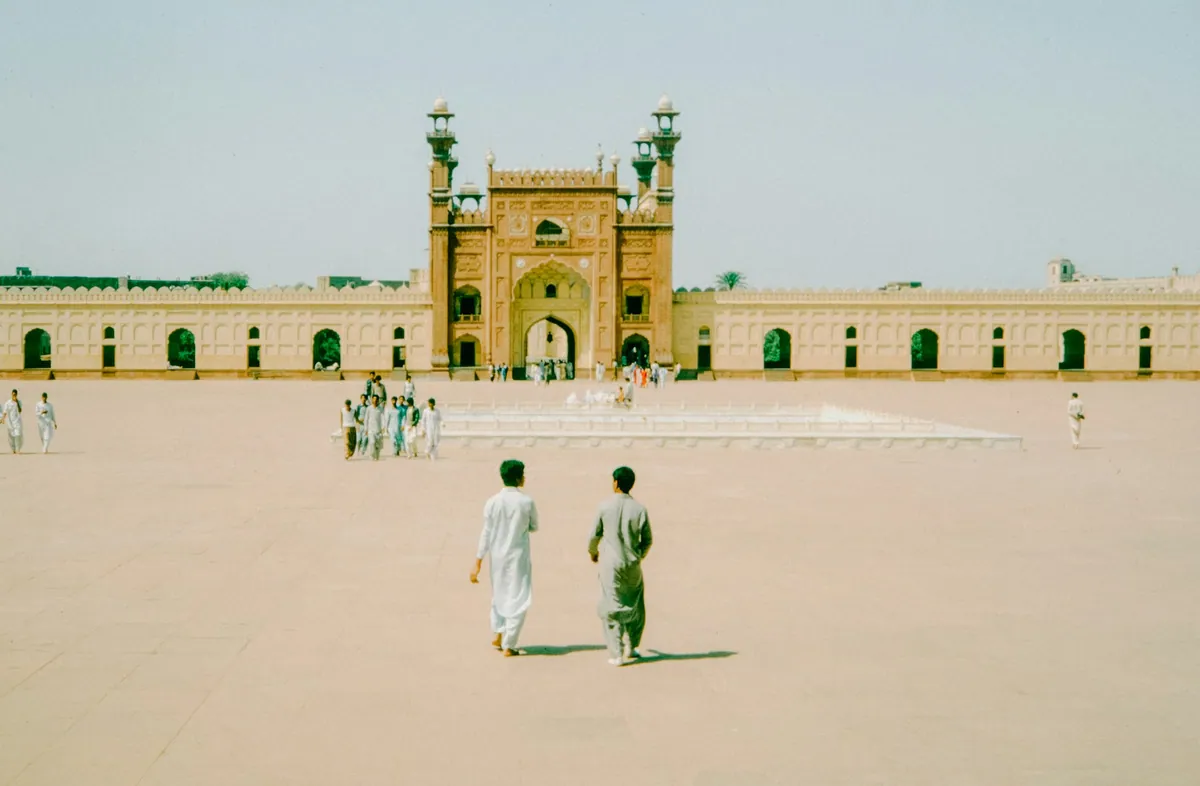
Pixistan's photography archive spans Pakistan's most photographed and most overlooked destinations. In the north, our contributors cover Hunza valley (elevation 2,438 m, Gilgit-Baltistan), Skardu and the Karakoram range, home to K2 at 8,611 m, the world's second highest peak, and Swat valley in Khyber Pakhtunkhwa. In Punjab, the archive covers Lahore's Walled City including Badshahi Mosque (built 1671 to 1673 CE) and Lahore Fort, as well as Multan, the City of Saints. Balochistan is represented through Quetta and surrounding landscapes including Hanna Lake and Ziarat's juniper forests. Pakistan's coastline and urban south are covered through Karachi and the Arabian Sea shore.
Sources: Survey of Pakistan; UNESCO World Heritage nomination file for Lahore Fort and Shalimar Gardens.
Personal and editorial use is free with attribution. Standard and Extended licenses cover commercial use, resale and unlimited impressions, and subscriptions are available for teams that download regularly. Foreign buyers can also license in USD at the current inter-bank rate. Every contributor on Pixistan is verified, and every file ships with clear license documentation.
Dispatch
One email, once a month. Pakistan, in pictures.
Field notes, new collections, and the occasional free download. No spam, unsubscribe in one click.