Culture of Pakistan
Pakistan has more than 70 living languages, with Urdu as the national language and Punjabi, Pashto, Sindhi, Saraiki and Balochi among the largest by speakers. Its cultural output runs from qawwali and Sufi poetry to truck art, ajrak block printing, blue pottery and a regional food map that changes every few hundred kilometres.
Culture pages cover crafts, art forms, dishes and languages: how something is made or performed, where it comes from, who keeps it alive, and where you can see it today.
Quick facts
- Living languages
- More than 70
- National language
- Urdu
- Best-known craft export
- Truck art
What this section covers
- Crafts
Truck art, ajrak, blue pottery, Peshawari chappal, Swati woodwork
- Music and performance
Qawwali, ghazal, Balochi suroz, Kalash dance
- Poetry
Iqbal, Faiz, Bulleh Shah, Shah Abdul Latif Bhittai
- Food
Nihari, biryani, sajji, chapli kebab, saag, halwa puri
- Languages
Urdu, Punjabi, Pashto, Sindhi, Saraiki, Balochi, Shina, Burushaski
In this section
 Crafts of PakistanCraft in Pakistan is regional: truck art in Karachi, Rawalpindi and Peshawar; blue kashi pottery in Multan and Hala; ajrak block printing in Sindh; Peshawari chappal footwear in Khyber Pakhtunkhwa; woodwork in Swat and Chiniot; and susi and khes weaving across Punjab. Most are family trades passed down through workshops rather than schools.
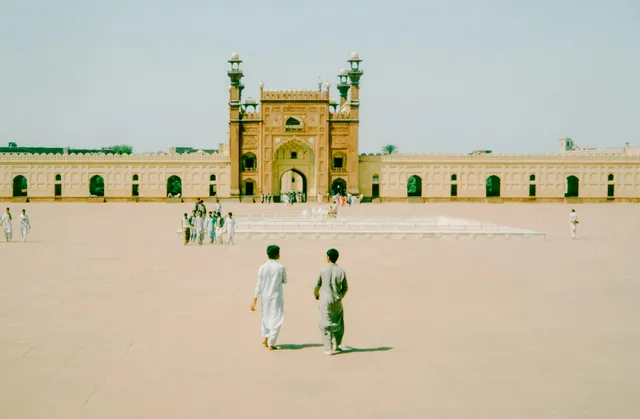 Languages of PakistanMore than 70 languages are spoken in Pakistan. Urdu is the national language and English a co-official language, while Punjabi has the most speakers, followed by Pashto, Sindhi, Saraiki and Balochi. Smaller languages such as Burushaski, Balti, Khowar, Shina and Wakhi are concentrated in the northern valleys.
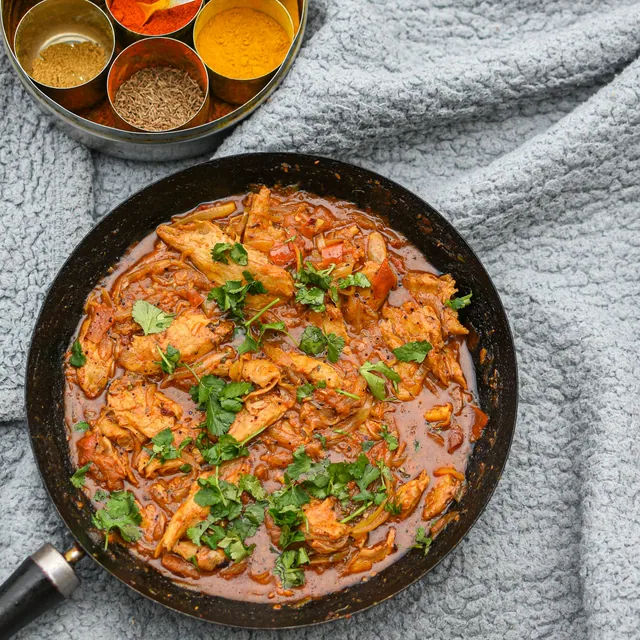 Food across PakistanPakistani cooking varies sharply by province: wheat breads, dairy and slow-cooked meat in Punjab; rice, fish and sour flavours in Sindh; grilled and lightly spiced meat in Khyber Pakhtunkhwa; and sajji, dumba meat and rock-salt cooking in Balochistan. Nihari, biryani, chapli kebab and haleem are among the best-known dishes.
Detailed pages
Individual pages for these topics are being researched and written. The overview above is complete and sourced; continue with the Pakistan index or the related sections below.
Key dates and milestones
| When | What happened |
|---|---|
| 12th century | Sufi poetry and qawwali take root in Multan and Sindh |
| 1877 | Mayo School of Arts founded in Lahore, now the National College of Arts |
| 1948 | Urdu adopted as the national language |
| 1997 | Death of Nusrat Fateh Ali Khan, who took qawwali worldwide |
Practical notes
- More than 70 languages are spoken; Urdu is the national language and English a co-official one.
- Craft workshops in Lahore, Multan, Karachi and Peshawar are open to visitors, usually free.
- Regional food changes every few hundred kilometres: nihari in Lahore, sajji in Quetta, sindhi biryani in Karachi.
Where in Pakistan
Punjab · Sindh · Khyber Pakhtunkhwa · Balochistan · Gilgit-Baltistan
Frequently asked questions
- What is truck art?
- A Pakistani folk-art tradition of decorating trucks and buses with hand-painted panels, hammered metalwork, mirrors and calligraphy. Karachi, Rawalpindi and Peshawar are the main workshop centres.
- What is qawwali?
- A Sufi devotional music form performed by a party of singers, harmonium and tabla, associated with shrines in Punjab and Sindh. Nusrat Fateh Ali Khan is its best-known performer.
- What languages are spoken in Pakistan?
- More than 70 living languages. Punjabi has the most speakers, followed by Pashto, Sindhi, Saraiki, Urdu and Balochi; Urdu is the national language.