
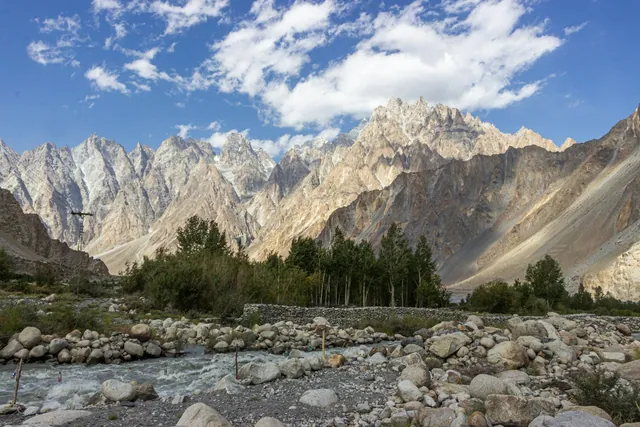
The canal belt
Wheat, rice, cotton and sugarcane across the doabs between the rivers.
City · Punjab
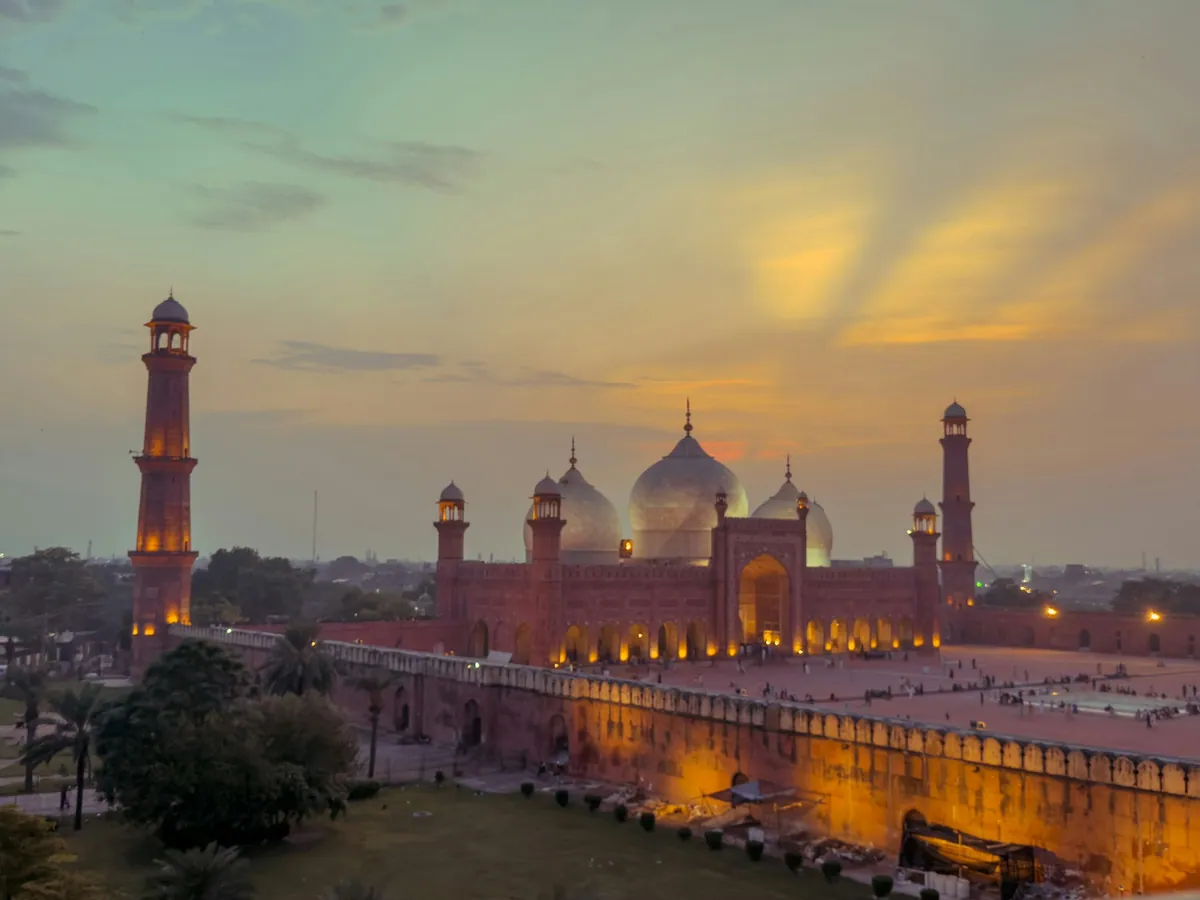
Lahore is the capital of Punjab and Pakistan's second-largest city, with a population of over 11 million on the Ravi river. It was the Mughal capital at intervals from the 16th century, and holds two UNESCO World Heritage sites, the Lahore Fort and the Shalimar Gardens, both inscribed in 1981.
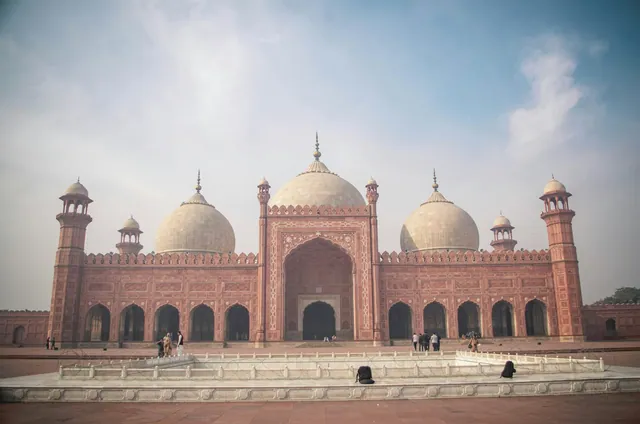
The Walled City, entered through surviving gates such as Delhi Gate and Bhati Gate, contains the Wazir Khan Mosque of 1634, the Shahi Hammam and dense havelis under long-running conservation work. Badshahi Mosque, built by Aurangzeb in 1673, faces the fort across the Hazuri Bagh. Later layers include Sikh-period buildings and British institutions such as the Lahore Museum, the Government College and the 1860s railway station.
Mughal citadel with the Sheesh Mahal and Picture Wall.
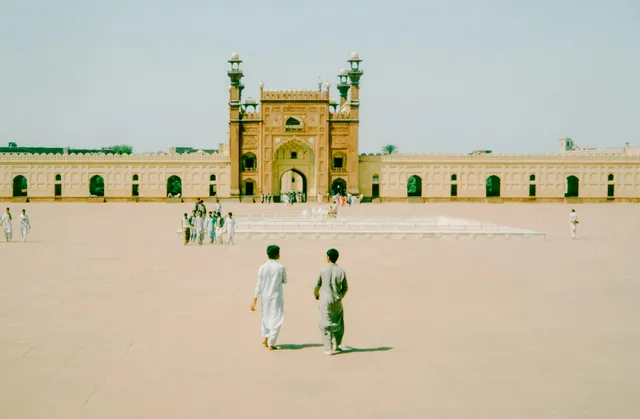
One of the largest mosques of the Mughal era.
Famous for its kashi-kari tilework in the Walled City.
Terraced Mughal garden of 1641 on the Grand Trunk Road.
Founded 1865, with the Fasting Buddha of Gandhara.
Wheat, rice, cotton and sugarcane across the doabs between the rivers.
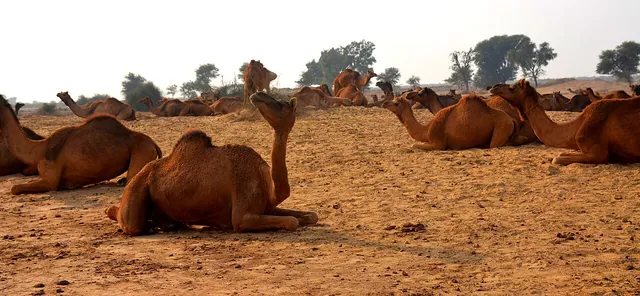
Roughly 26,000 km² of desert with the dry bed of the Hakra river beneath it.
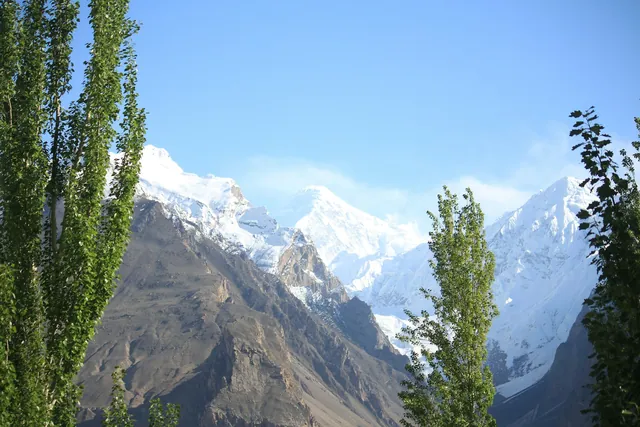
Low hills holding Khewra, the world's second-largest salt mine.
Lahore's river, and the boundary of the old Mughal city.
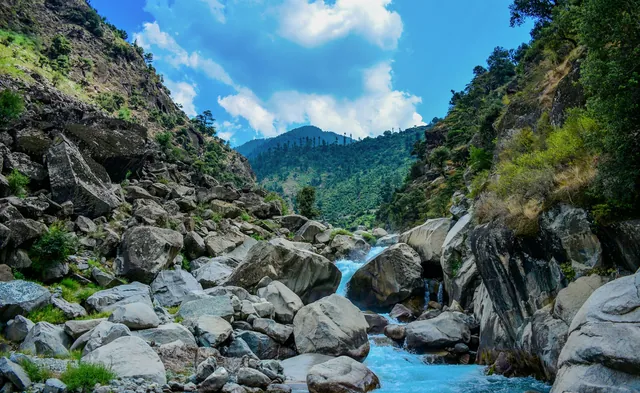
The river of the Heer Ranjha and Sohni Mahiwal folk tales.
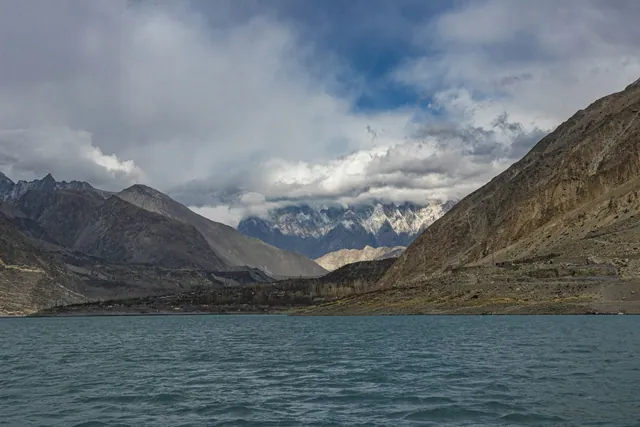
Barrages at Marala, Trimmu and Panjnad steer the canal system.

Slow-cooked beef shank eaten at breakfast in the old city.
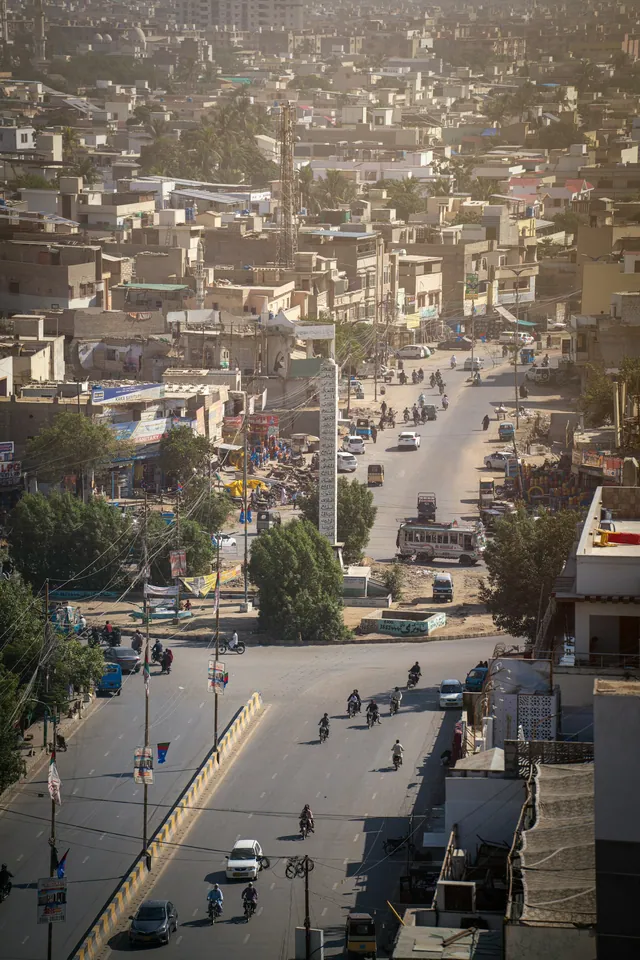
Fried fish, paye and kulfi through the night.
Sesame-topped tandoor bread from Bhati Gate bakeries.
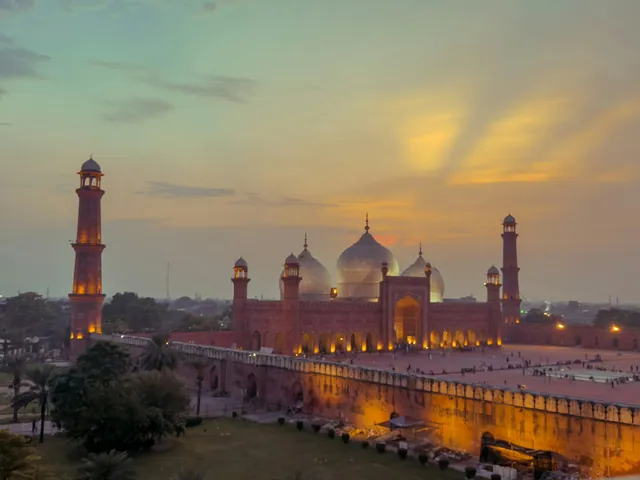
Built 1671–1673, once the largest mosque in the world.
A UNESCO site with the mirrored Sheesh Mahal and Picture Wall.
1634 tilework mosque inside Delhi Gate.
Thirteen gates, of which six survive, around the old city.
Painted trucks and rickshaws from the Band Road workshops.
The spring kite festival that shaped the old city's rooftops.
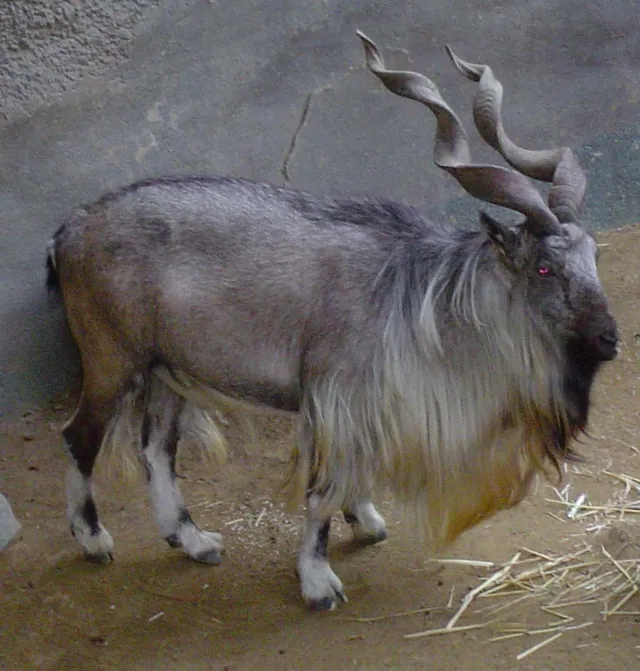
The national animal, a wild goat of the northern ranges.
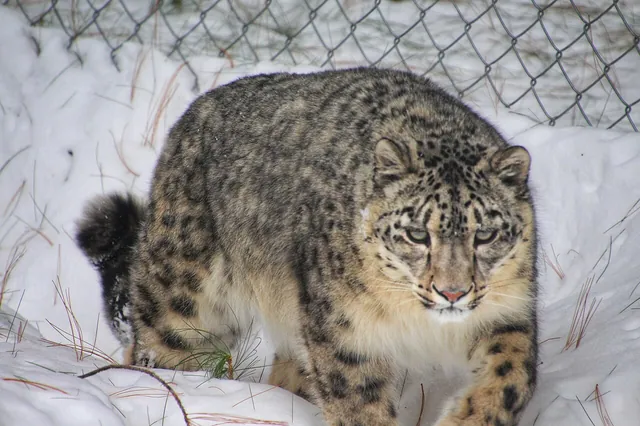
Roughly 200–420 remain in the Karakoram, Himalaya and Hindu Kush.
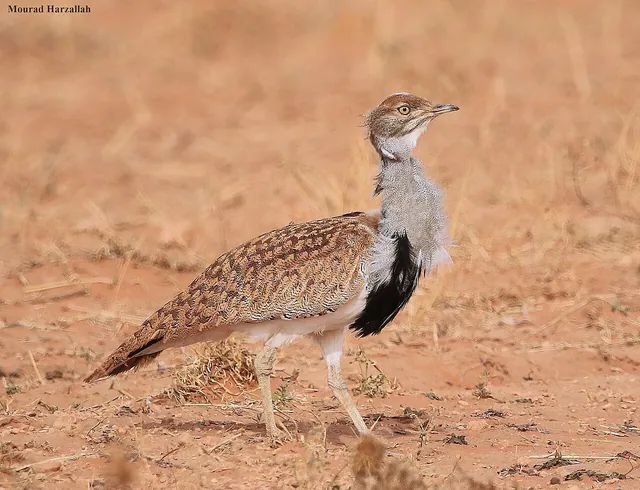
A winter migrant to the deserts of Balochistan and Cholistan.
October to March; November and February are the most comfortable.
Allama Iqbal International Airport, the M-2 motorway from Islamabad, and the main railway line.
The Lahore Fort and the Shalimar Gardens, inscribed together in 1981.
It was completed in 1673 under the Mughal emperor Aurangzeb.
The photo archive is a separate part of Pixistan. Browse images shot in this area once you have read the reference page.
Open the photo archive