
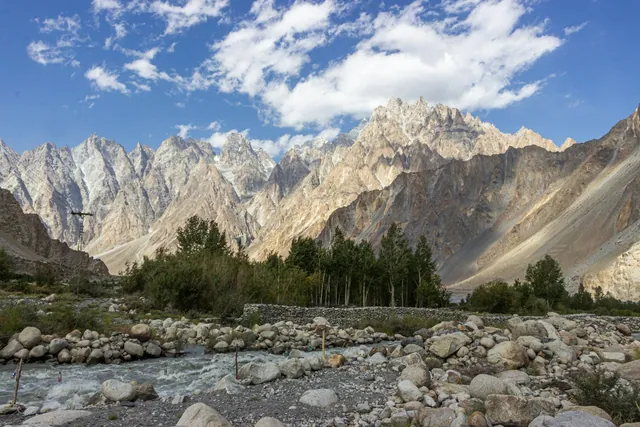
The canal belt
Wheat, rice, cotton and sugarcane across the doabs between the rivers.
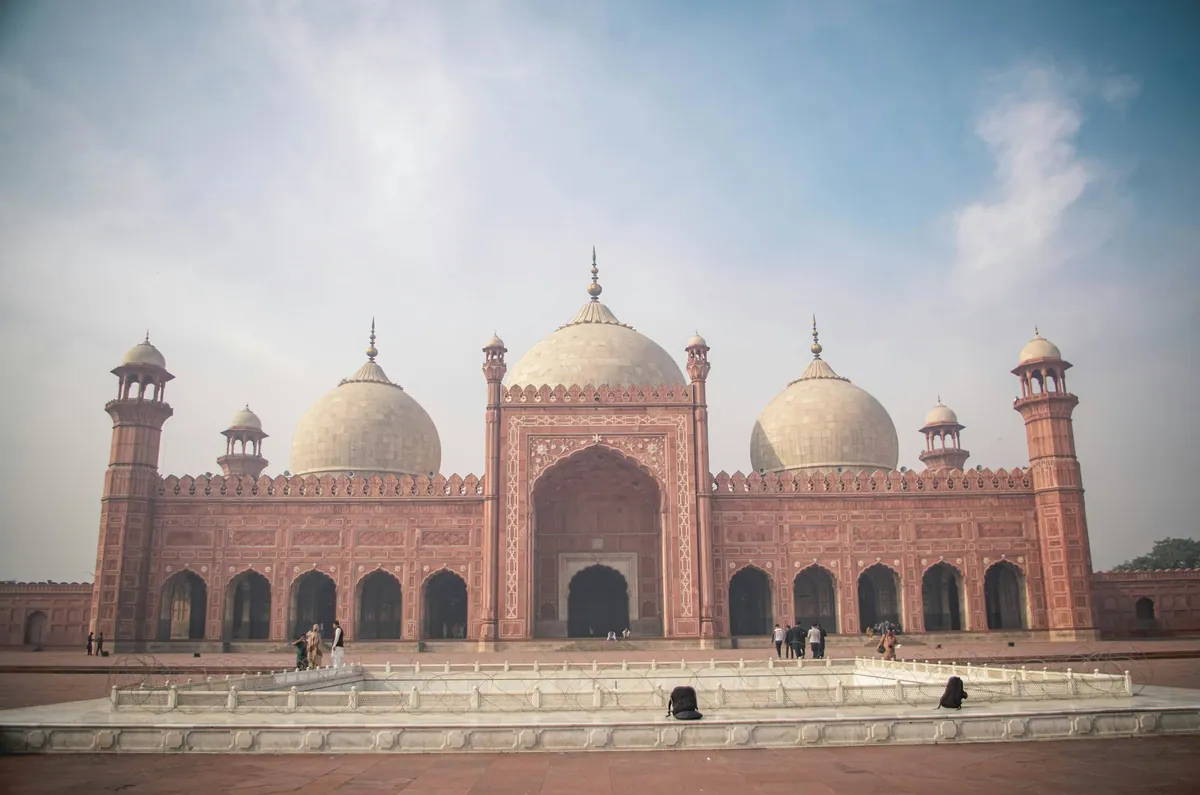
City · Punjab
Multan is a city of southern Punjab on the Chenab, one of the oldest continuously inhabited places in the region, with a recorded history of more than two thousand years. It is known as the City of Saints for its Sufi shrines, including the 13th-century tomb of Shah Rukn-e-Alam, and for its blue kashi tilework and Saraiki culture.
Multan was besieged by Alexander's army in 326 BCE and later became a major centre under successive dynasties. The tomb of Shah Rukn-e-Alam, completed around 1324, is an octagonal brick structure with a large dome that became a model for later Punjabi shrine architecture. The city is a centre for blue pottery, camel-skin lamp work and mango cultivation, and summer temperatures regularly exceed 45°C.
Octagonal Tughlaq-era tomb on the old fort mound.
13th-century Suhrawardi shrine beside it.
The raised platform of the destroyed fort, with the Damdama.
The old commercial street for pottery and crafts.
Wheat, rice, cotton and sugarcane across the doabs between the rivers.
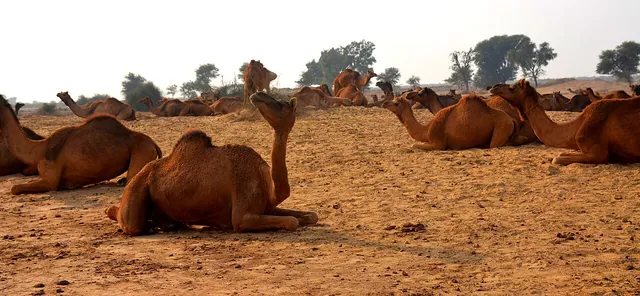
Roughly 26,000 km² of desert with the dry bed of the Hakra river beneath it.
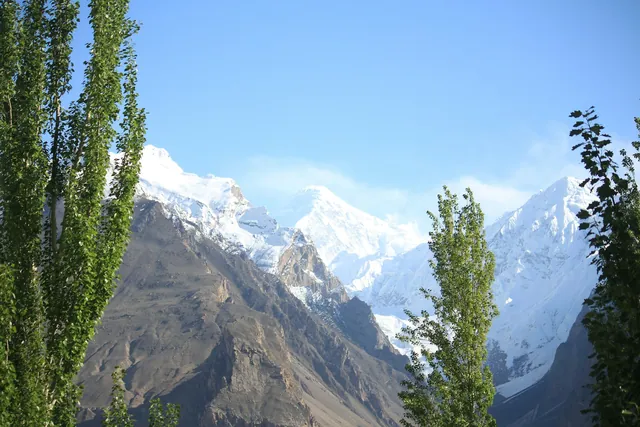
Low hills holding Khewra, the world's second-largest salt mine.
Lahore's river, and the boundary of the old Mughal city.
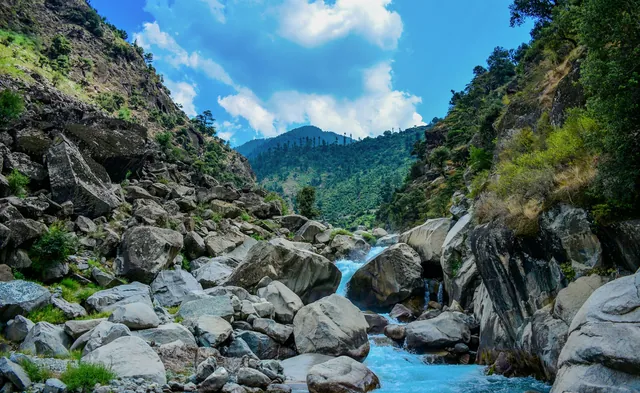
The river of the Heer Ranjha and Sohni Mahiwal folk tales.
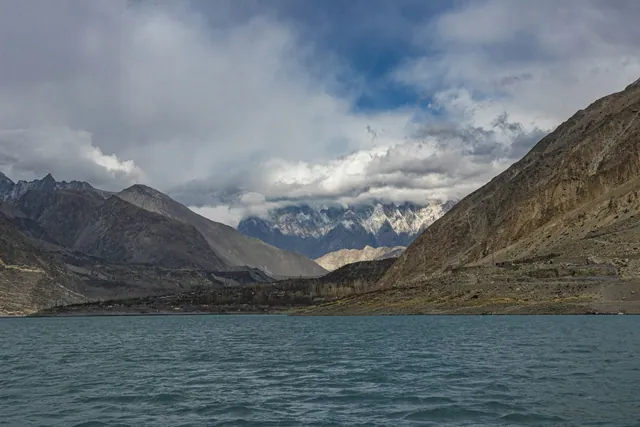
Barrages at Marala, Trimmu and Panjnad steer the canal system.

Dense saffron sweet sold on Hussain Agahi road.
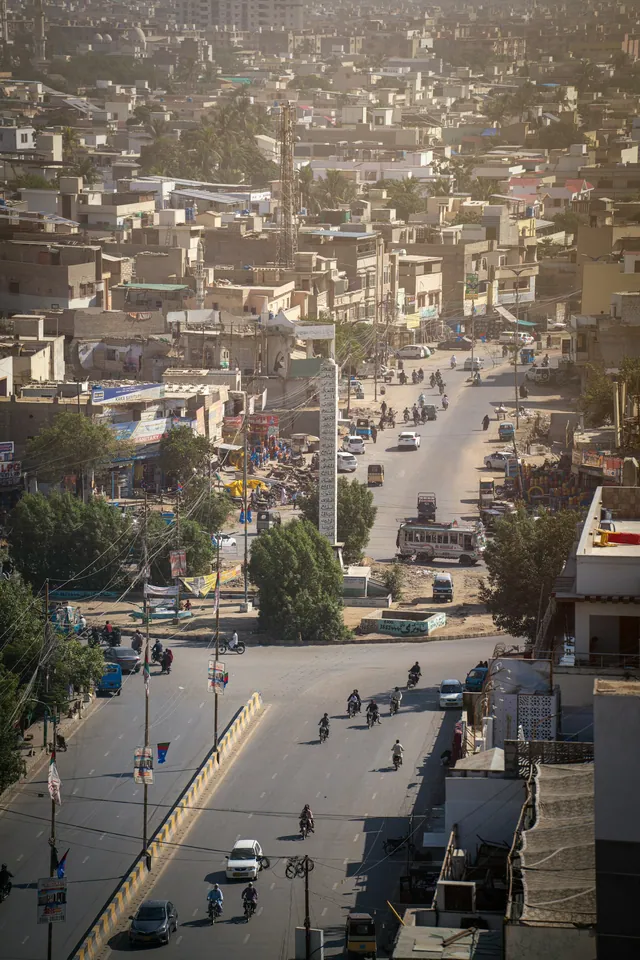
Chaunsa and Anwar Ratol from the surrounding orchards.
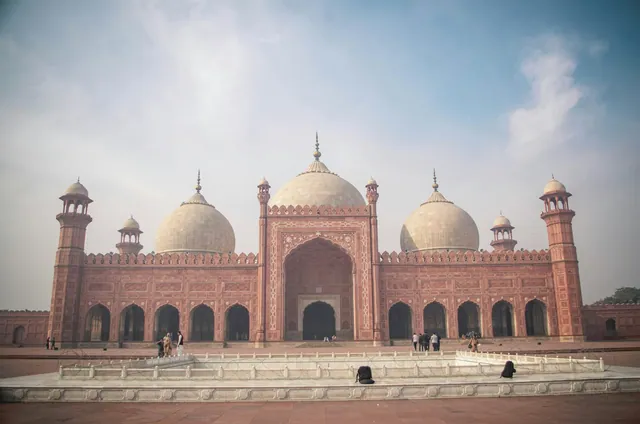
A 1320s octagonal brick tomb, one of the largest of its kind.
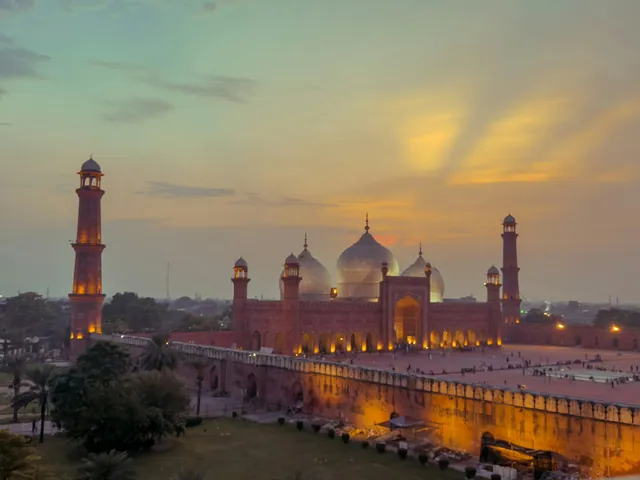
The remains of the citadel above the old city.
Kashi glazing worked here since the 14th century.
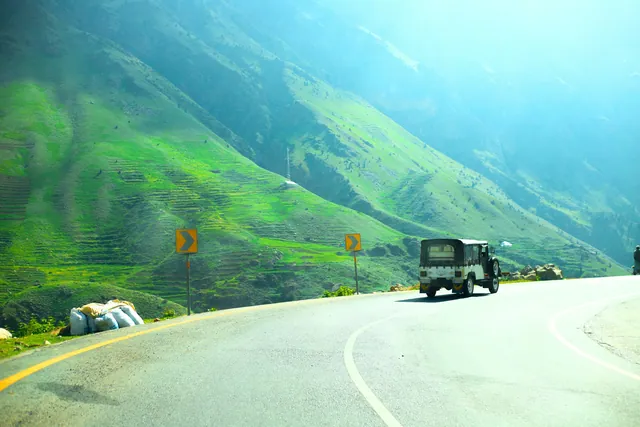
Kafi and dhamal sung across southern Punjab.
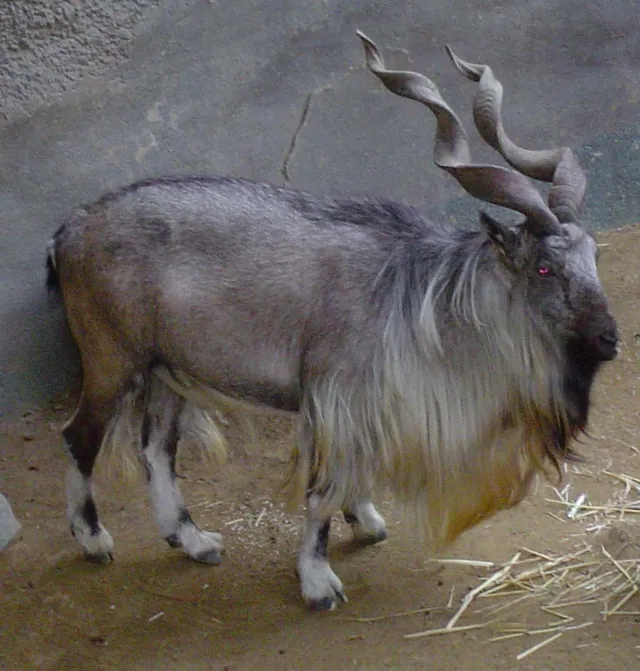
The national animal, a wild goat of the northern ranges.
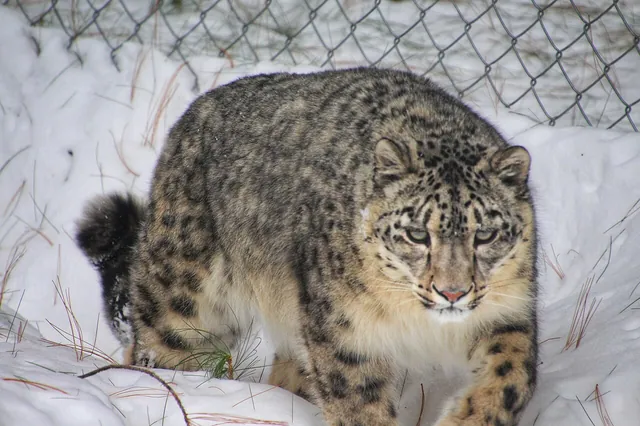
Roughly 200–420 remain in the Karakoram, Himalaya and Hindu Kush.
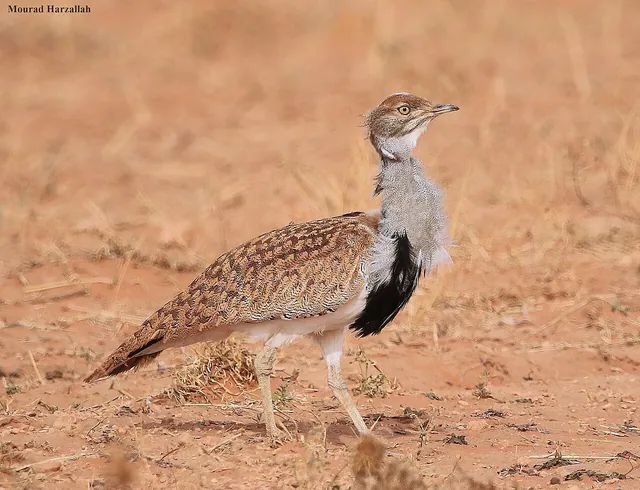
A winter migrant to the deserts of Balochistan and Cholistan.
November to February.
Multan International Airport, the M-4 and M-5 motorways, and the main railway line.
Because of the density of Sufi shrines there, including those of Bahauddin Zakariya and Shah Rukn-e-Alam.
Blue kashi tilework and pottery, along with camel-skin lamps and embroidered khussa footwear.
The photo archive is a separate part of Pixistan. Browse images shot in this area once you have read the reference page.
Open the photo archive