
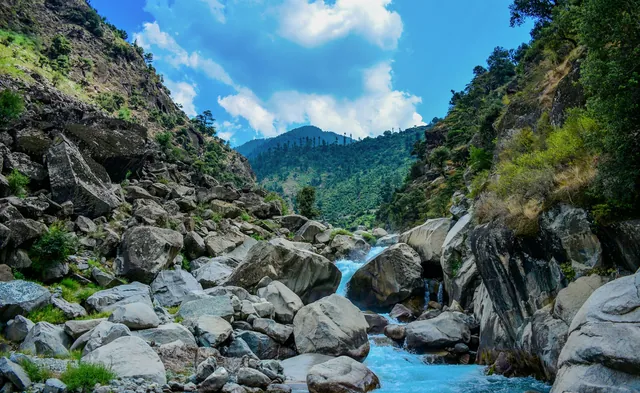
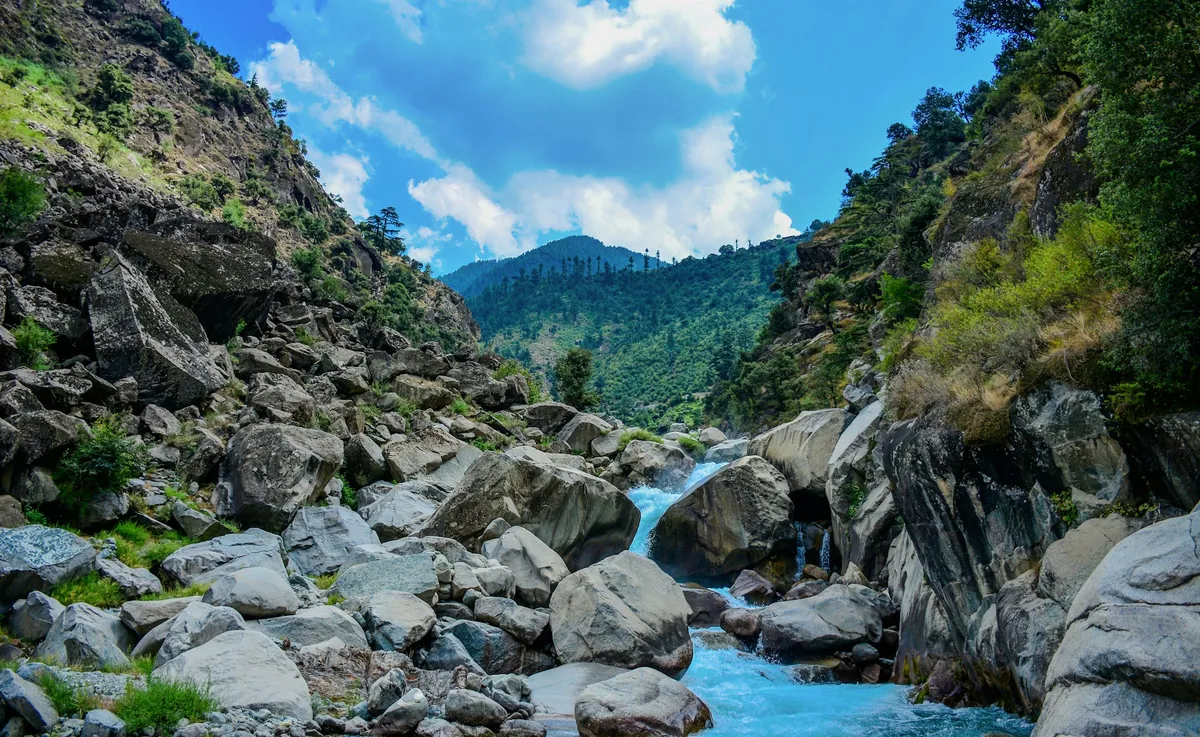
Kalam valley
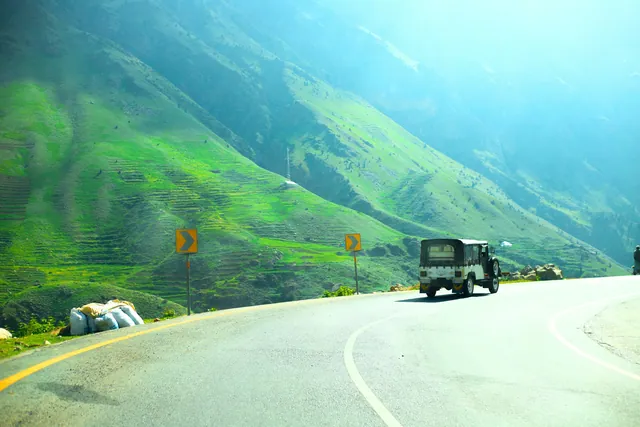
Meadows and forest at 2,000 m at the head of the valley.
Valley · Khyber Pakhtunkhwa
Swat is a river valley and district in Khyber Pakhtunkhwa, covering about 5,337 square kilometres along the Swat river. Its main town is Mingora, and it holds major Buddhist-era remains from the Gandhara period, including the Butkara stupa and the Jehanabad Buddha, alongside the alpine valleys of Kalam and Ushu.
Swat was the princely state of Swat until 1969, ruled from Saidu Sharif by the Wali of Swat. It was a centre of Buddhism from roughly the 2nd century BCE, known in early sources as Uddiyana, and hundreds of stupas and monasteries have been recorded here. The valley rises from about 700 metres at Mingora to over 2,000 metres at Kalam, with the Ushu and Utror valleys and Mahodand Lake beyond.
A major Buddhist site near Mingora, in use for about a thousand years.
A 7th-century rock-carved seated Buddha, restored after damage in 2007.
Upper valley town where the Ushu and Utror rivers meet.
A lake at about 2,865 m, 35 km beyond Kalam.
Pakistan's best-known ski resort, at about 2,600 m.
Meadows and forest at 2,000 m at the head of the valley.
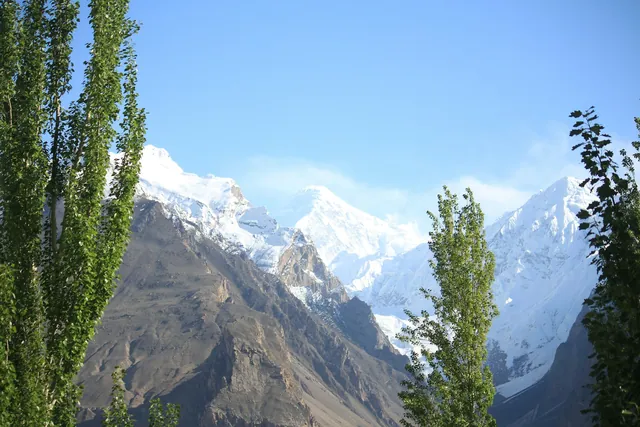
Pakistan's main ski resort at 2,804 m.
Dense deodar forest above Kalam.
Runs 240 km from Ushu and Gabral to the Kabul river.
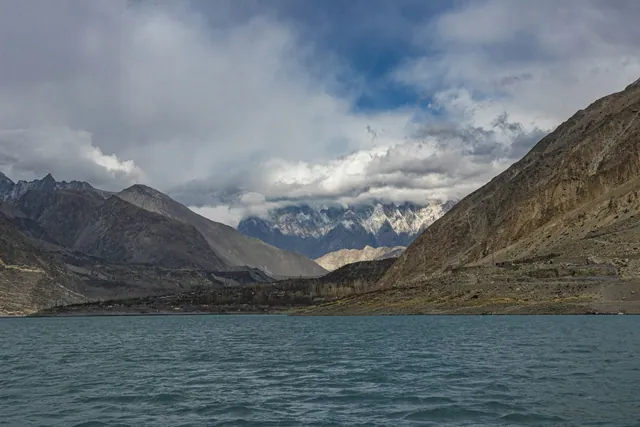
A glacial lake at 2,865 m, 35 km beyond Kalam.

Flat minced-beef kebab with tomato and coriander seed, from Mardan.
Rice with lamb, carrot and raisin, a Peshawar staple.
Qehwa with cardamom, poured all day in the bazaars.
A Buddhist stupa complex begun in the 2nd century BCE.
Gandharan settlement mounds excavated by Italian teams since 1955.
Hand-painted trucks and rickshaws, a craft trade worth millions of rupees a year.
Copper, cloth, spice and book markets in every old city.

Basant, Urs gatherings, Shandur polo and the Kalash calendar.
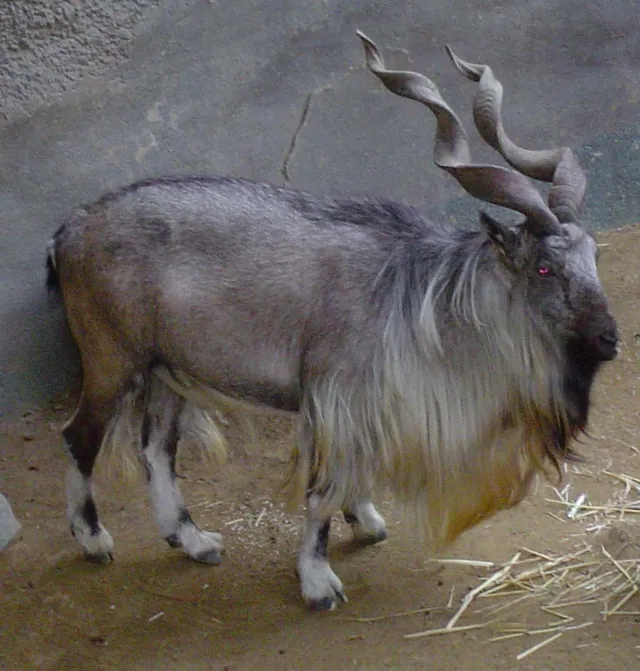
Chitral Gol National Park holds one of the strongest populations.
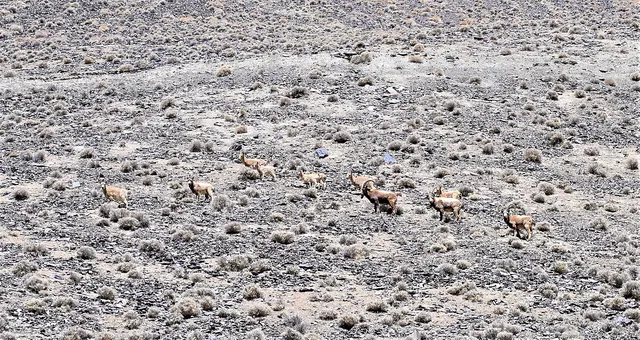
High ridges above Chitral and upper Swat.
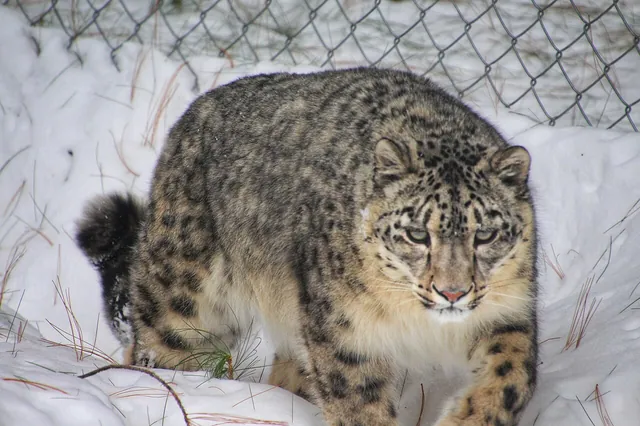
Recorded in Chitral's high side valleys.
April to October; Malam Jabba has snow from December to February.
About 4 to 5 hours by road from Islamabad via the Swat Expressway.
Swat, known as Uddiyana, was a major Buddhist centre from around the 2nd century BCE, and hundreds of stupas and monasteries have been recorded there.
Kalam sits at roughly 2,000 metres, with Mahodand Lake above it at about 2,865 metres.
The photo archive is a separate part of Pixistan. Browse images shot in this area once you have read the reference page.
Open the photo archive