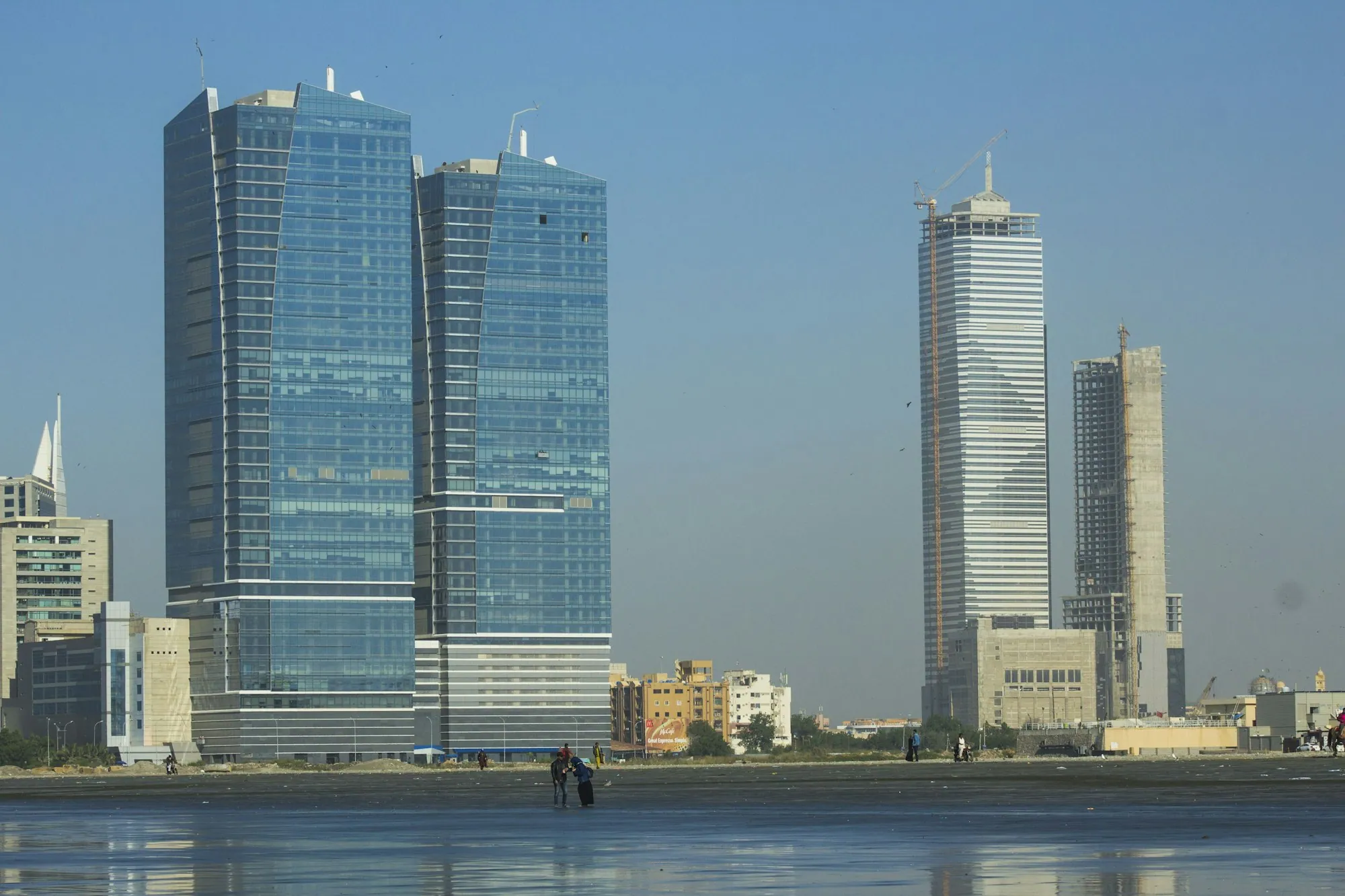
Indus delta
About 600,000 hectares of mangrove, the fifth-largest delta in the world.
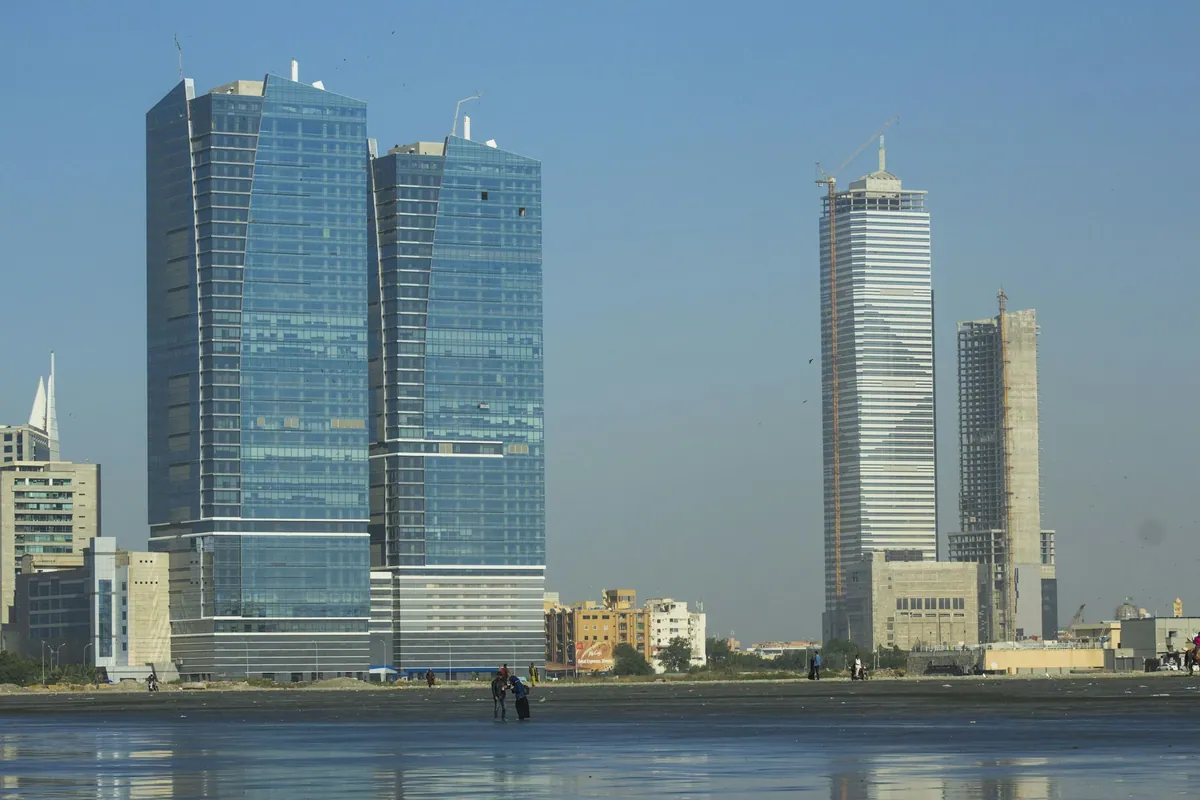
Region of Pakistan
Indus civilisation, Sufi shrines, and Karachi's coastline.
Sindh runs from the Arabian Sea to the Thar desert along the lower Indus. Mohenjo-daro, built around 2500 BCE, was one of the first planned cities in the world, with brick drains and a grid of streets.
Karachi grew from a fishing settlement of a few thousand people into a city of over 20 million and the country's main port. Inland, Thatta's Shah Jahan Mosque and the Makli necropolis hold nearly a million graves across 10 km².
Sindh's culture is tied to its shrines: Shah Abdul Latif Bhittai at Bhit Shah, Lal Shahbaz Qalandar at Sehwan, and the ajrak block-print worn at all of them.
About 600,000 hectares of mangrove, the fifth-largest delta in the world.
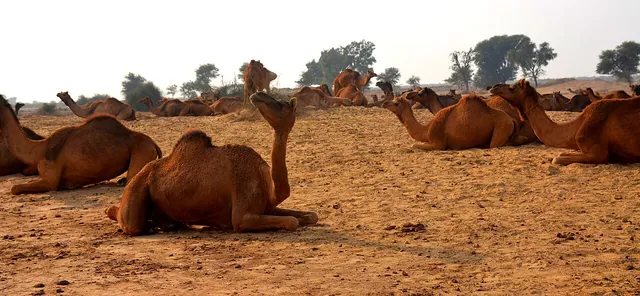
Sand dunes, peacocks and mud-walled villages towards the Indian border.
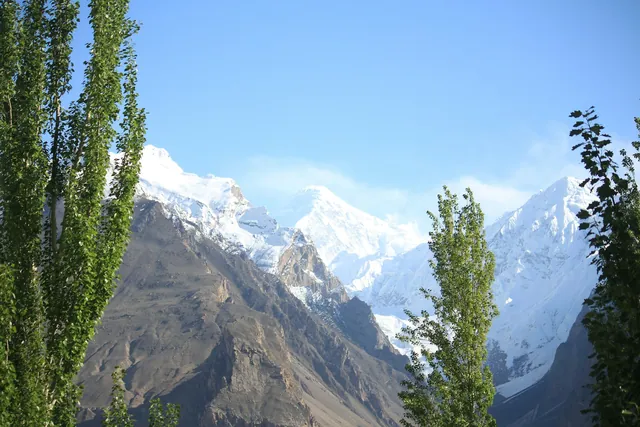
Limestone hills west of the Indus, and Ranikot's 32 km fort wall.
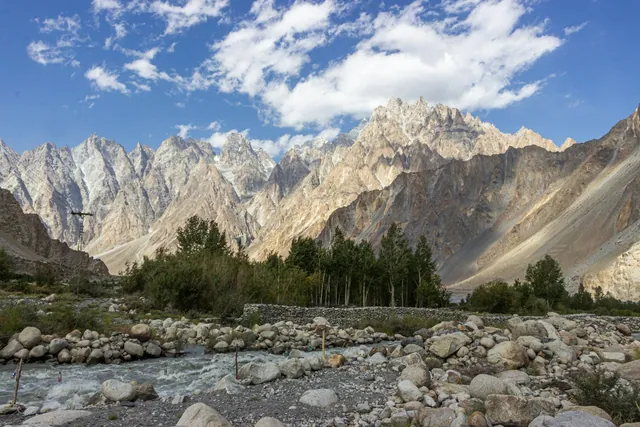
Controlled by the Sukkur, Guddu and Kotri barrages.
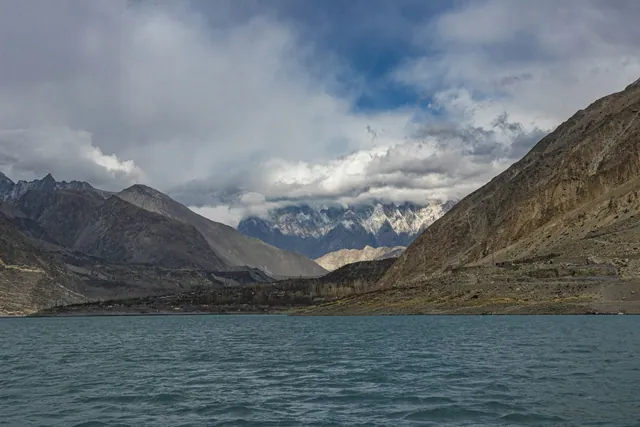
Pakistan's largest freshwater lake, home to boat-dwelling Mohana families.
Roughly 350 km of Sindh coast, with Karachi's fishing harbour at its centre.
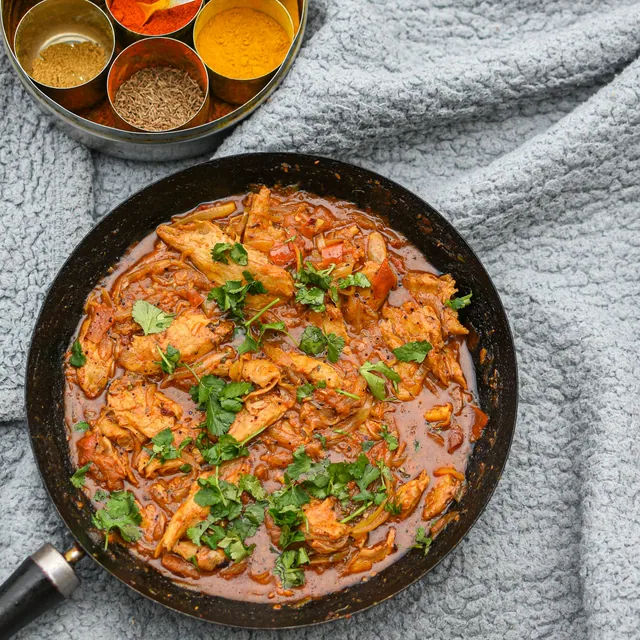
Layered with potato, yoghurt and dried plum.
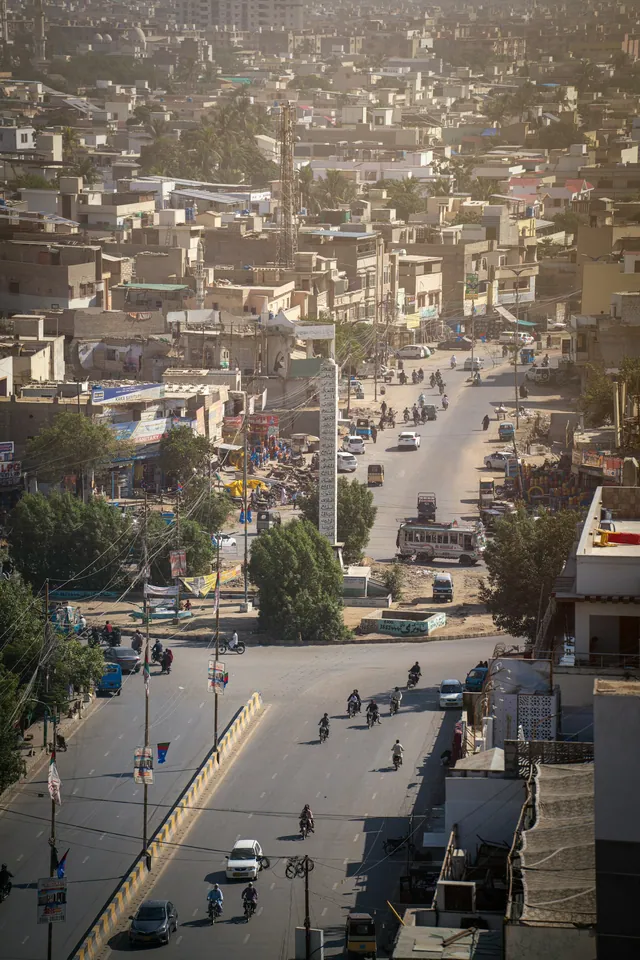
Bun kebab, biryani carts and Burns Road at midnight.
Indus hilsa, caught upstream of Kotri and grilled whole.
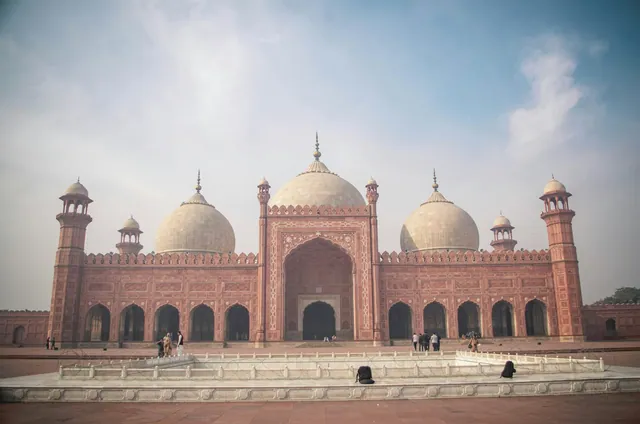
UNESCO listed Bronze Age city dated to about 2500 BCE.
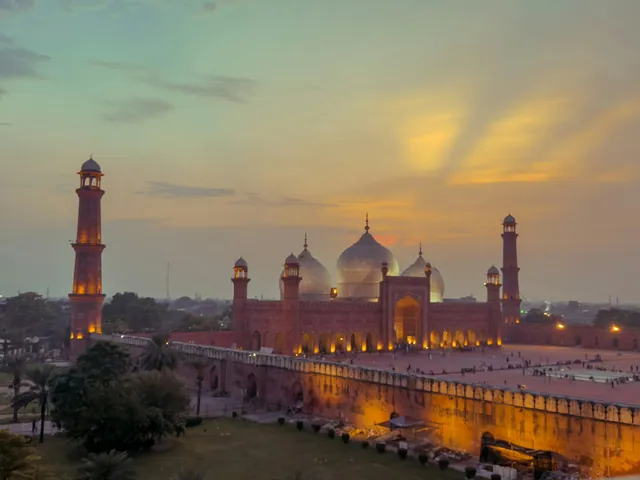
One of the largest funerary sites on Earth, 14th–18th century.
Thatta, 1647, with 93 domes and no need for a loudspeaker.
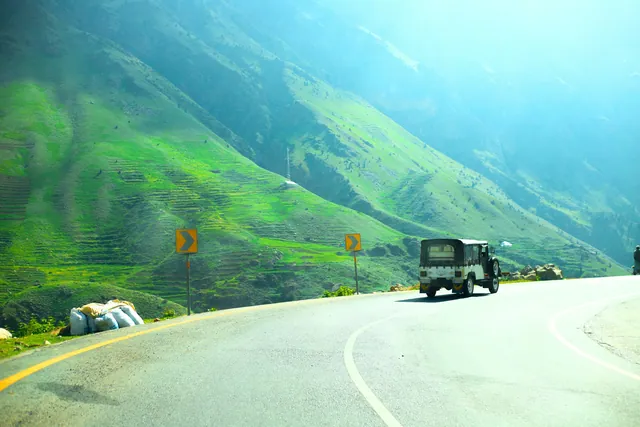
Block-printed cloth in madder red and indigo, dyed at Bhit Shah and Matiari.
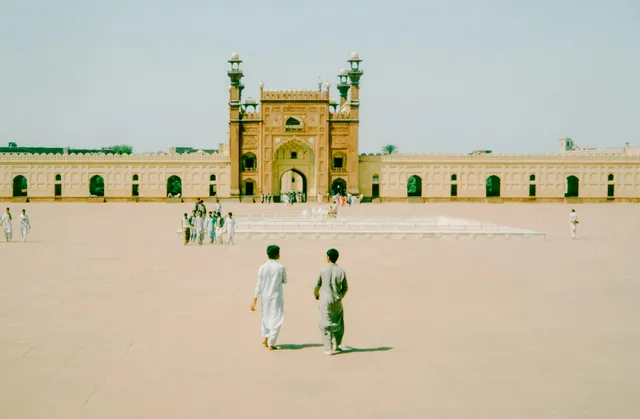
Dhamaal drumming at Sehwan Sharif every Thursday.
Patchwork quilts stitched by women across rural Sindh.
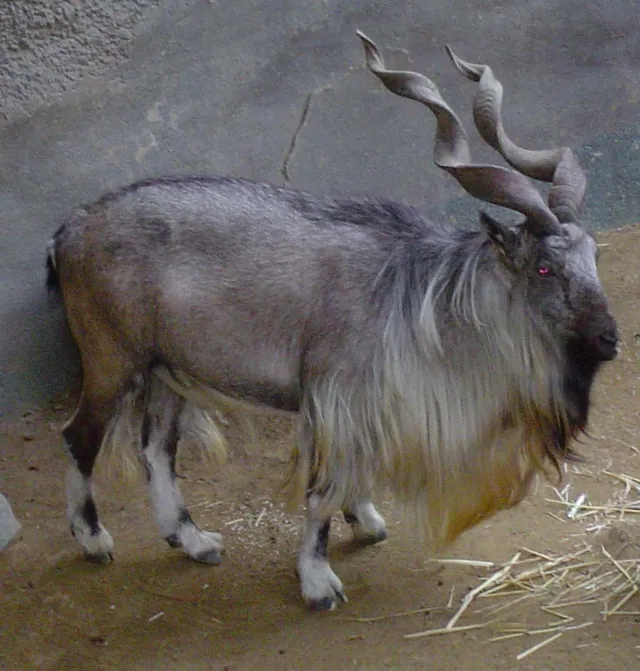
The national animal, a wild goat of the northern ranges.
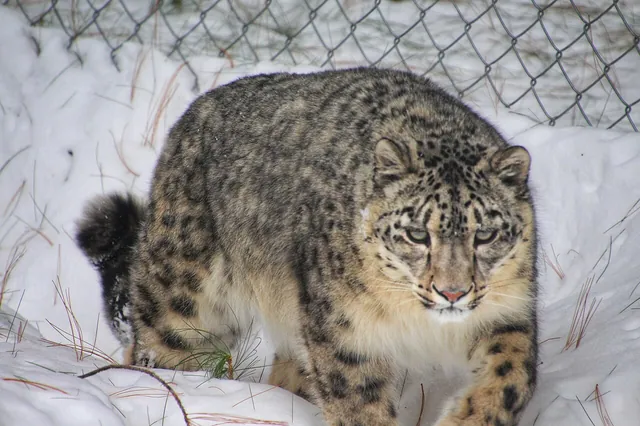
Roughly 200–420 remain in the Karakoram, Himalaya and Hindu Kush.
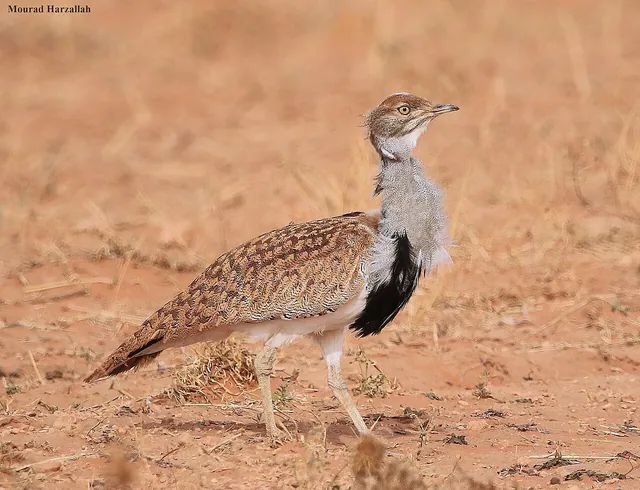
A winter migrant to the deserts of Balochistan and Cholistan.
Each one opens its own page: its story, rivers and lakes, food, heritage, culture, wildlife and what to see.
One of the world's three earliest urban civilisations. Mohenjo-daro (Sindh) and Harappa (Punjab) had planned grid streets, brick sewers, and standardised weights 4,500 years ago. Both are UNESCO World Heritage sites in modern Pakistan.
In 712 CE, the 17-year-old Umayyad general Muhammad bin Qasim captured Sindh and Multan — one of the earliest Muslim conquests east of Persia. Two centuries later, Mahmud of Ghazni made Lahore his eastern capital (1021), beginning eight centuries of Islamic rule over the region.
The Delhi Sultans ruled from what is now Pakistan and North India. Sufi masters — Data Ganj Bakhsh (Lahore), Lal Shahbaz Qalandar (Sehwan), Bahauddin Zakariya and Shah Rukn-e-Alam (Multan), Baba Farid (Pakpattan) — turned the subcontinent's spiritual landscape and are still visited by millions.
The British built the Karachi–Lahore–Peshawar rail network, the Sukkur Barrage (1932) and the world's largest contiguous canal system in Punjab. The North-West Frontier Province and the tribal agencies became the front line of the Great Game with Russia, and the Khyber Pass was fortified against Afghanistan.
The All-India Muslim League was founded in 1906. In 1930, Allama Iqbal called for a separate Muslim state in his Allahabad address. The Lahore Resolution of 23 March 1940 (passed at Minto Park, now Iqbal Park) formalised the demand — Pakistan was created on 14 August 1947 with Muhammad Ali Jinnah as its first Governor-General.
Partition displaced 14 million people — the largest migration in human history. Karachi served as Pakistan's first capital until Islamabad was inaugurated (1967). The 1965 Indo-Pak war was fought largely across the Punjab plains. In 1971, East Pakistan became Bangladesh.
No photographs published from Sindh yet.
November to February. Summers exceed 45 °C in interior Sindh.
Karachi's Jinnah International is Pakistan's busiest airport. Sukkur and Larkana have domestic flights.
No permits for major sites. Border areas near India need police escort.
Indus civilisation, Sufi shrines, and Karachi's coastline.
Every Sindh photograph on Pixistan is shot on location by a Pakistani photographer. Pixistan does not accept AI-generated or agency stock imagery.
Full-resolution files in PKR.
Browse galleryPhotos, films, guides and stories.
Open category