
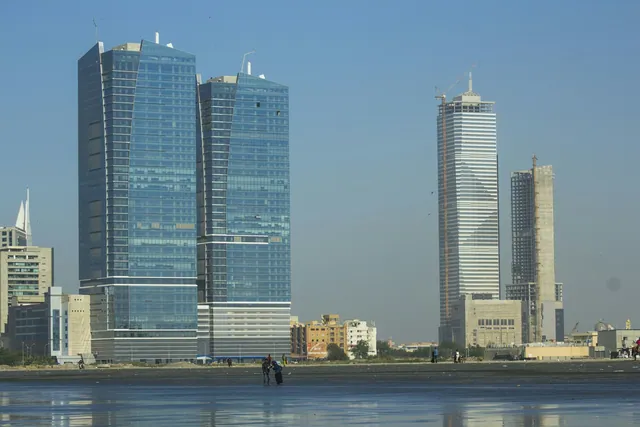
Clifton and Sea View
A long city beach on the Arabian Sea.
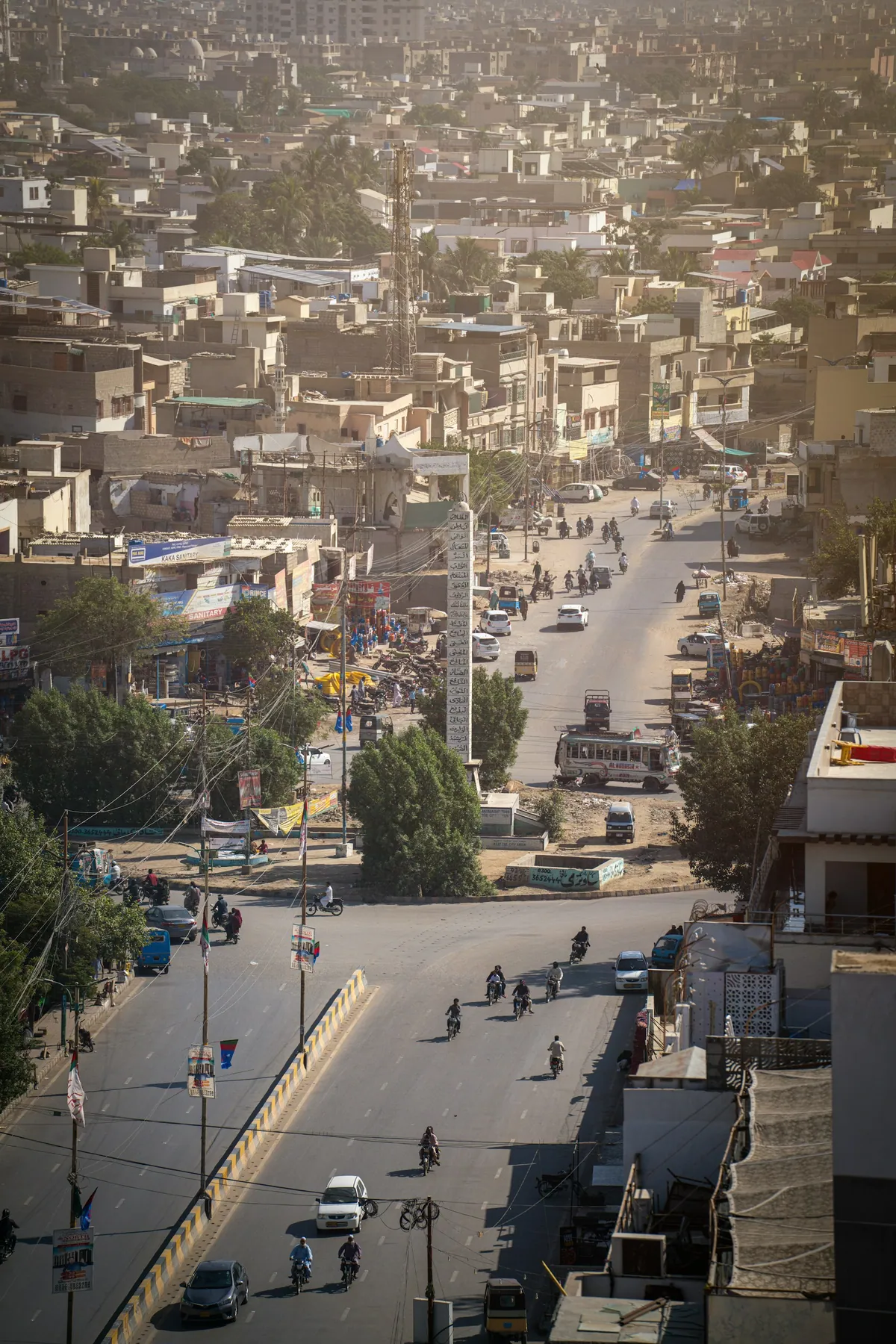
City · Sindh
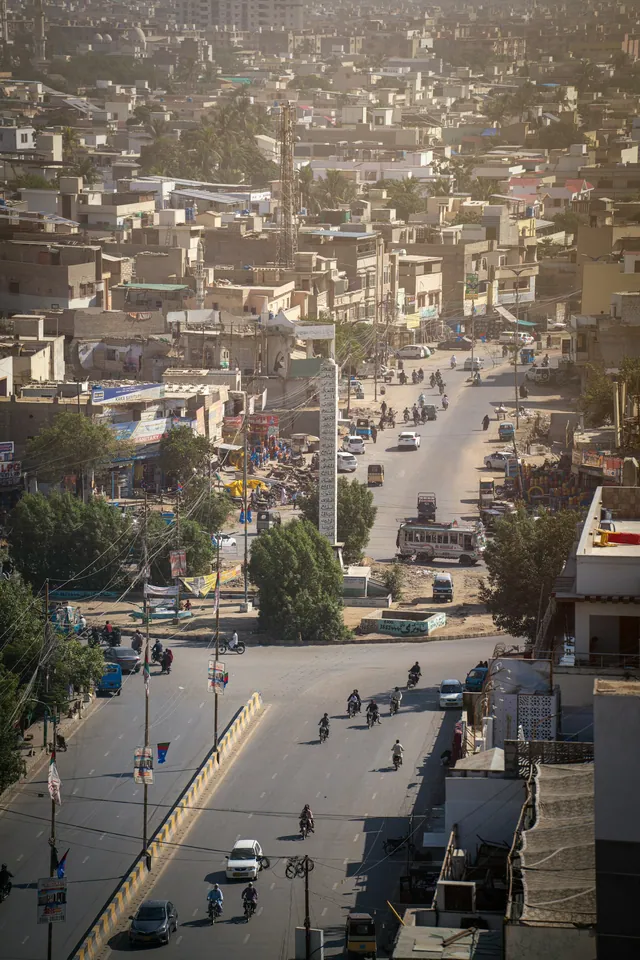
Karachi is the capital of Sindh and Pakistan's largest city, with a population of more than 20 million on the Arabian Sea. It handles the majority of the country's sea trade through Karachi Port and Port Qasim, and served as the national capital from 1947 until the seat of government moved to Islamabad in the 1960s.
The city grew from the fishing settlement of Kolachi and the small port of Manora, expanding rapidly under British administration after 1839 with the railway, Empress Market of 1889 and the Frere Hall of 1865. Partition in 1947 brought a large influx of migrants, and the city has drawn people from every province since. Notable sites include Mazar-e-Quaid, the tomb of Muhammad Ali Jinnah, completed in 1970.
White marble mausoleum of Pakistan's founder.
Colonial market building in Saddar, opened 1889.
1865 Venetian-Gothic hall with the Sadequain ceiling.
1927 palace in Clifton, now a museum.
The city's beaches and the old lighthouse island.
A long city beach on the Arabian Sea.
The harbour island and the turtle beaches west of it.
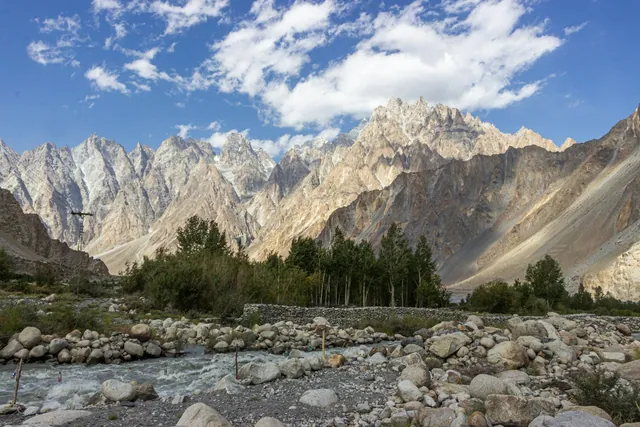
Controlled by the Sukkur, Guddu and Kotri barrages.
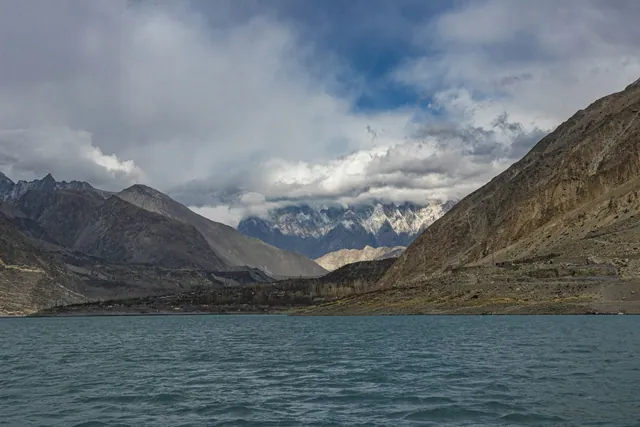
Pakistan's largest freshwater lake, home to boat-dwelling Mohana families.
Roughly 350 km of Sindh coast, with Karachi's fishing harbour at its centre.
The city's street sandwich, sold from Burns Road to Boat Basin.

Karachi's spiced rice with potato, a Muhajir kitchen staple.
Fresh catch at Keamari and the Fish Harbour.
An 1889 Indo-Gothic market hall in Saddar.
A 1927 pink Jodhpur-stone house, now a museum.
1865 colonial hall with Sadequain's ceiling mural.
Bohri, Empress and Jodia markets in the old quarter.
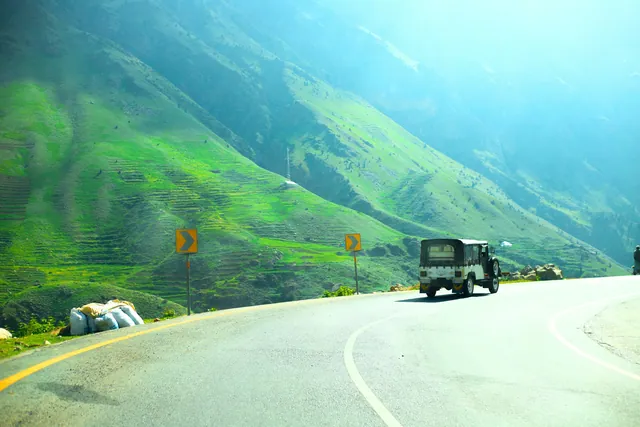
Hawksbay Road workshops that supply painted trucks nationwide.
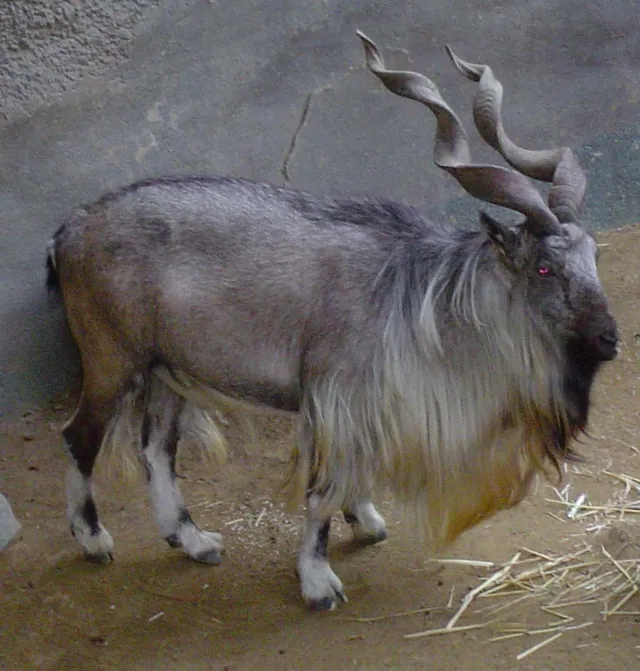
The national animal, a wild goat of the northern ranges.
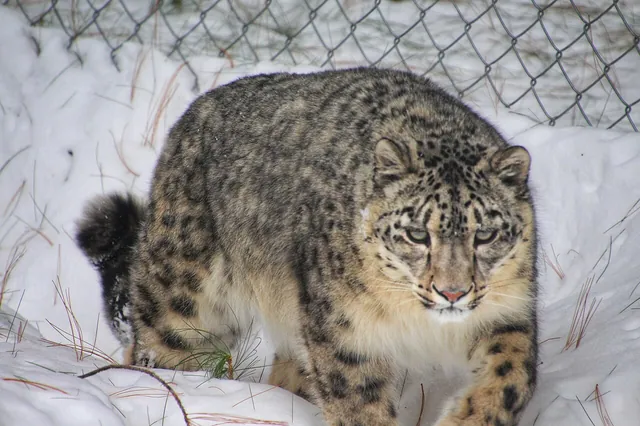
Roughly 200–420 remain in the Karakoram, Himalaya and Hindu Kush.
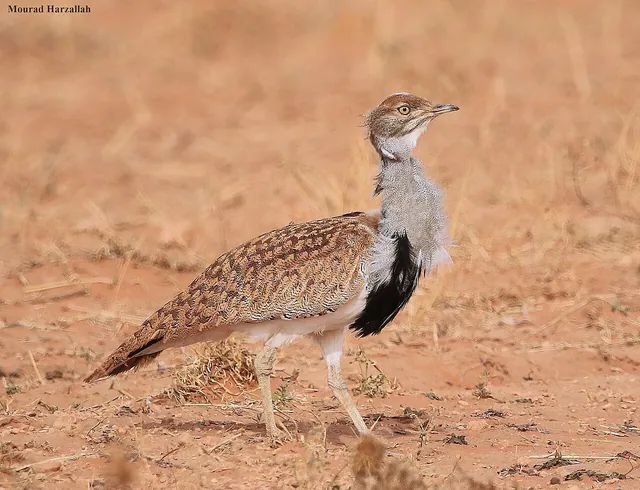
A winter migrant to the deserts of Balochistan and Cholistan.
November to February.
Jinnah International Airport, the M-9 motorway to Hyderabad, and the main railway line.
Yes, from 1947 until the capital moved to Islamabad in the 1960s.
It has a population of more than 20 million, making it the largest city in Pakistan.
The photo archive is a separate part of Pixistan. Browse images shot in this area once you have read the reference page.
Open the photo archive