
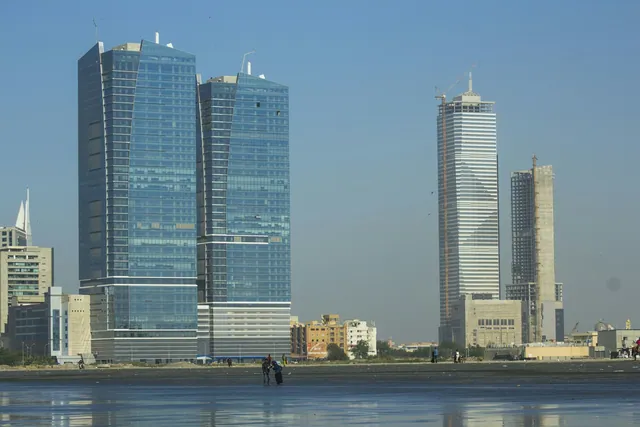
Hammerhead
The Koh-e-Batil headland shaping the twin bays.
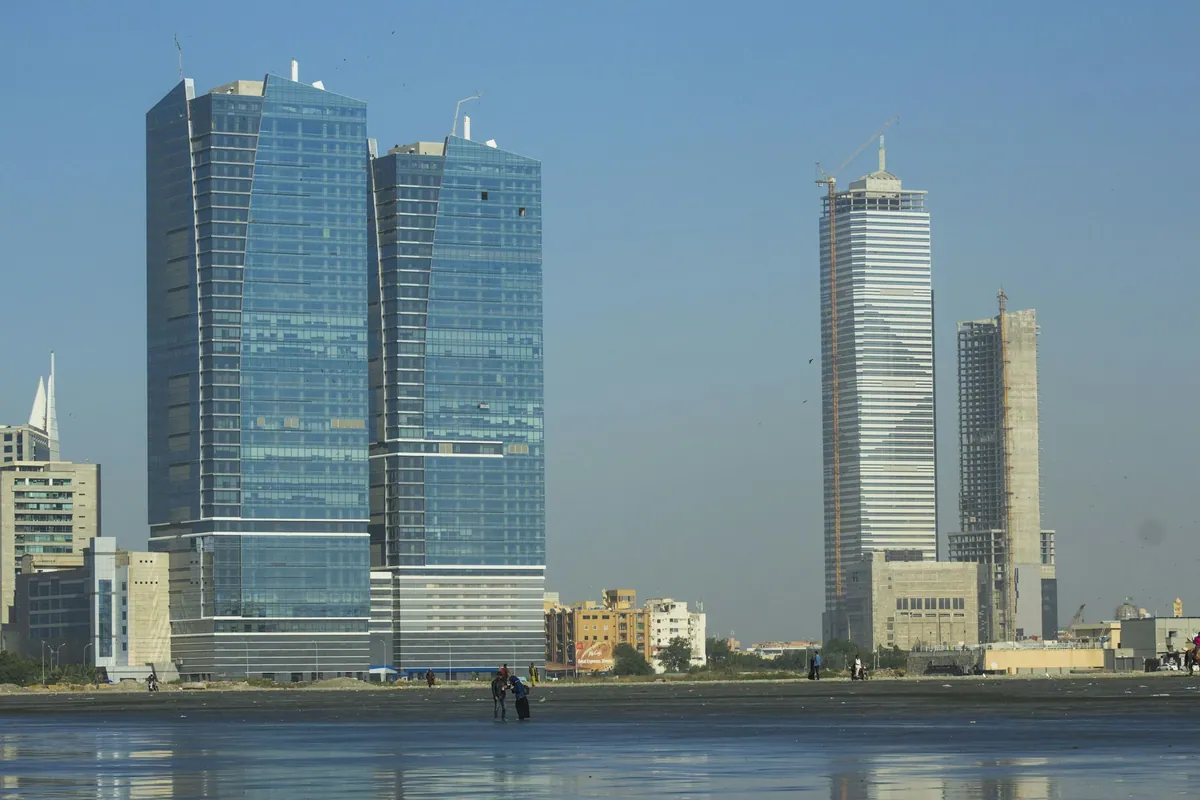
Coast · Balochistan
Gwadar is a port city on the Makran coast of Balochistan, on a natural hammerhead peninsula between two bays on the Arabian Sea. It was under Omani rule from 1783 until Pakistan purchased it in 1958, and its deep-water port, operational since 2007, is the maritime end of the China-Pakistan Economic Corridor.
The Koh-e-Batil ridge rises about 140 metres along the peninsula, separating the East and West bays. The surrounding Makran coast holds Hingol National Park, Pakistan's largest at about 6,190 square kilometres, with the mud volcano of Chandragup and the Princess of Hope rock formation on the Makran Coastal Highway. Fishing remains the main local livelihood, and Balochi and Brahui are widely spoken.
The Koh-e-Batil ridge between East and West bays.
About 650 km from Karachi to Gwadar along the sea.
Pakistan's largest national park, on the route from Karachi.
Pakistan's largest offshore island, a marine protected area.
The Koh-e-Batil headland shaping the twin bays.
Wind-cut sandstone along the coastal highway.
Pakistan's largest offshore island, 39 km south-east.
Two crescent beaches either side of the peninsula.
770 km of Balochistan coast, warm year-round.

Kingfish and snapper straight off the Gwadar boats.
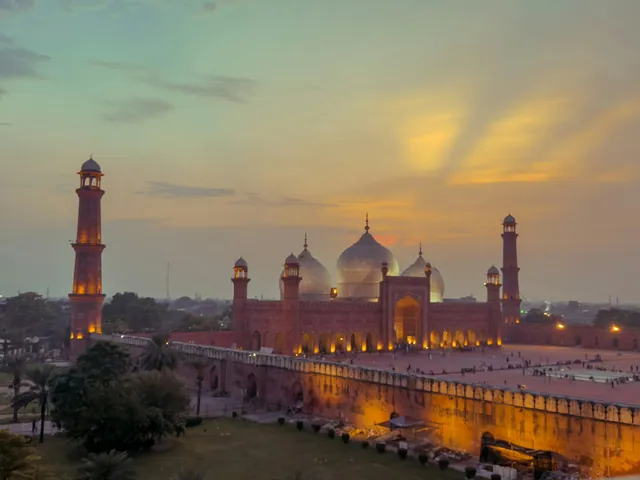
Badshahi Mosque, Lahore Fort and Shalimar Gardens, built 1556–1707.
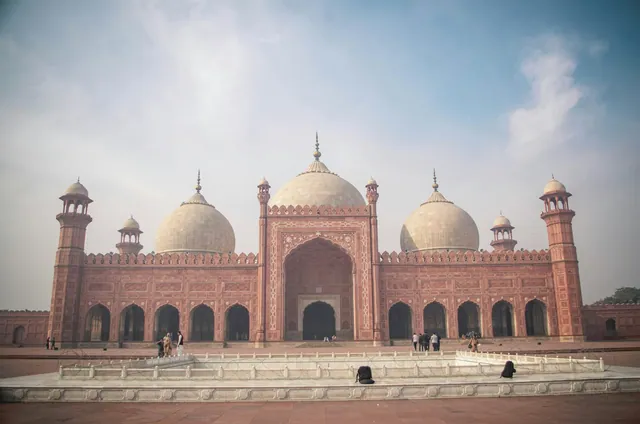
Blue Multani tiles and carved domes across Punjab and Sindh.
Rohtas, Derawar, Baltit and Ranikot, the largest fort wall in the world.
Hand-painted trucks and rickshaws, a craft trade worth millions of rupees a year.
Copper, cloth, spice and book markets in every old city.
Basant, Urs gatherings, Shandur polo and the Kalash calendar.
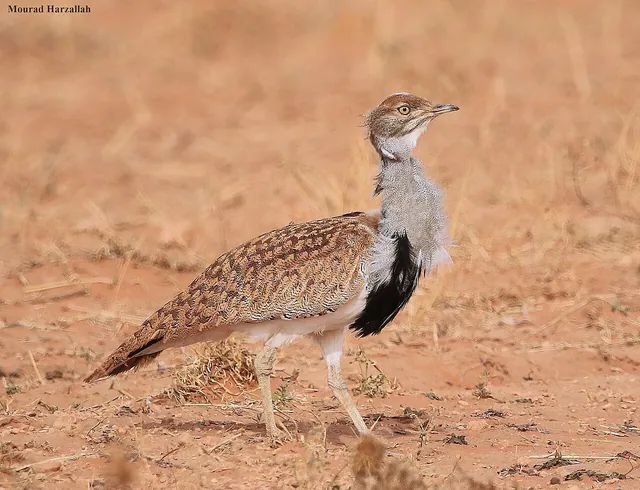
Nesting on Astola and the Daran beaches.
November to March.
Gwadar airport, or about 10 to 12 hours by road from Karachi on the Makran Coastal Highway.
Pakistan purchased Gwadar from Oman in 1958; it had been under Omani rule since 1783.
About 650 kilometres by the Makran Coastal Highway, roughly 10 to 12 hours by road.
The photo archive is a separate part of Pixistan. Browse images shot in this area once you have read the reference page.
Open the photo archive