
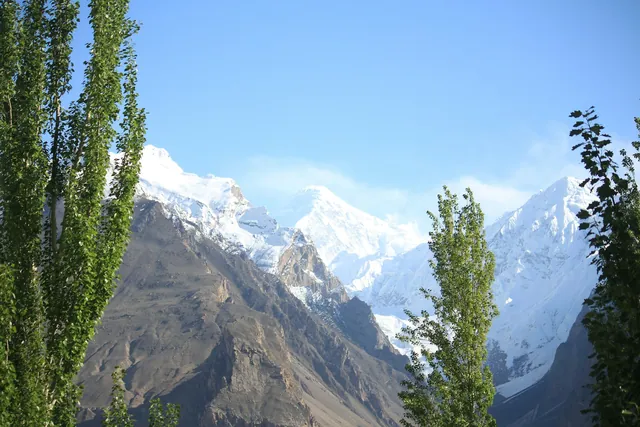
Chiltan and Takatu
The ranges enclosing the Quetta valley at 1,680 m.
City · Balochistan
Quetta is the capital of Balochistan, Pakistan's largest province by area, and sits at about 1,680 metres in a valley ringed by the Chiltan, Takatu, Zarghun and Murdar mountains. It is known for its orchards, its position on the route to Kandahar through the Khojak Pass, and for the 1935 earthquake that destroyed much of the city.
The name derives from kwatkot, meaning fort. The British developed Quetta as a garrison and railway town from 1876, and the Command and Staff College founded in 1907 still operates. The earthquake of 31 May 1935 killed tens of thousands and levelled the old city. Ziarat, about 120 kilometres east, holds one of the world's largest juniper forests, with trees estimated at over a thousand years old.
Reservoir in the hills about 10 km from the city.
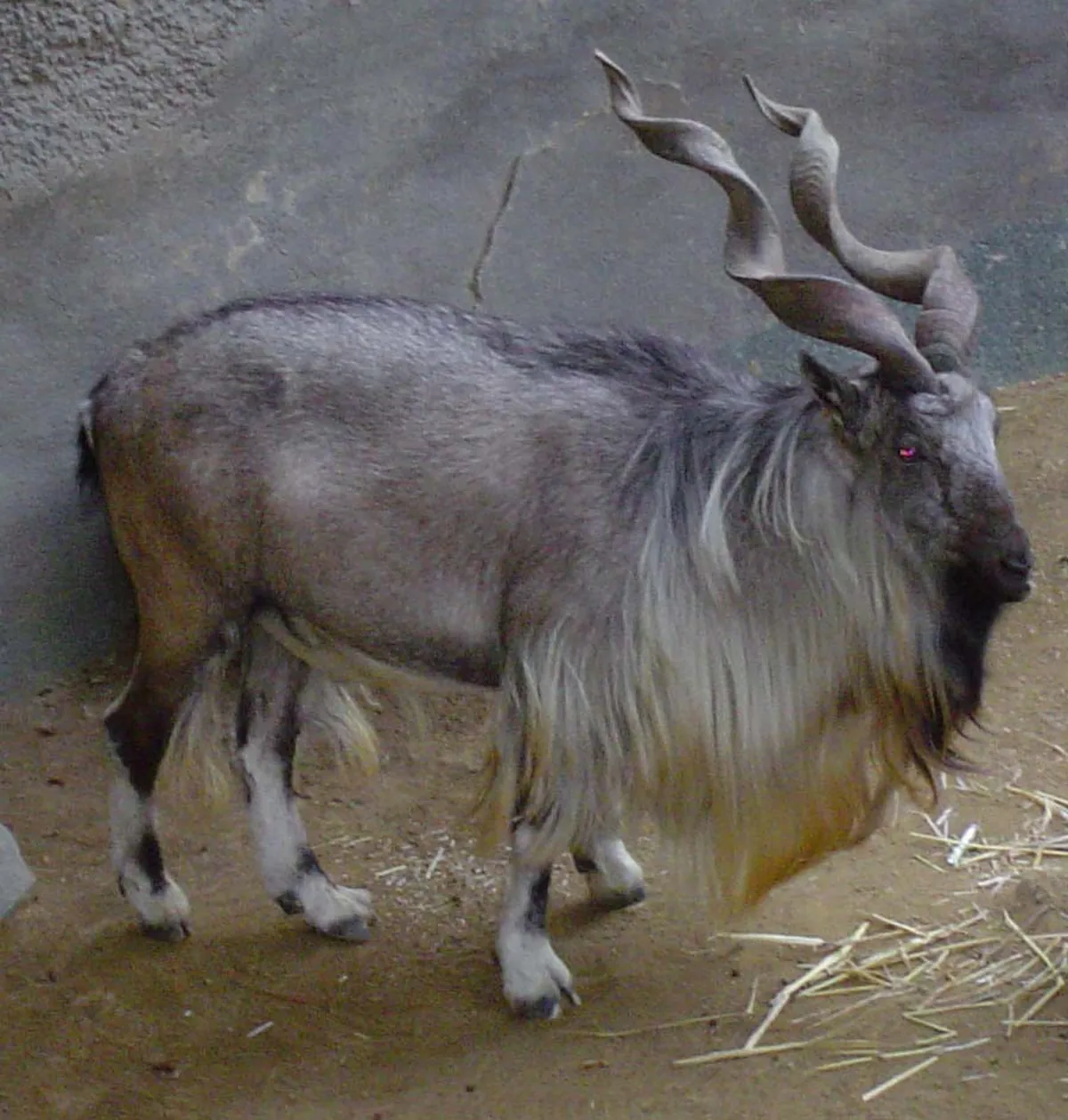
Protects the Chiltan wild goat.
Wooden residency where Muhammad Ali Jinnah stayed in 1948.
Historic route to Chaman and the Afghan border.
The ranges enclosing the Quetta valley at 1,680 m.
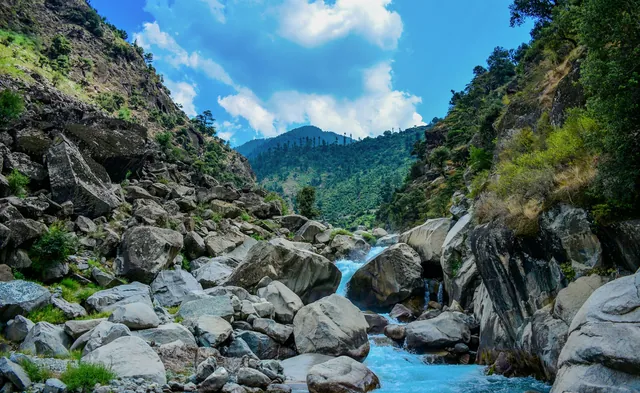
The world's second-largest juniper forest, some trees 4,000 years old.
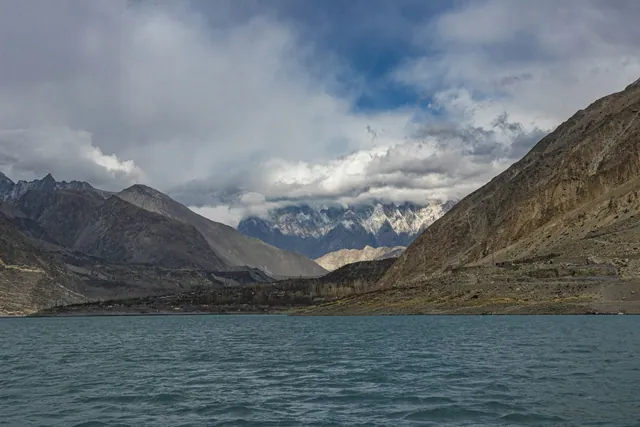
A 1894 reservoir east of the city, below Urak valley.

Whole lamb roasted upright over coals, a Baloch dish.
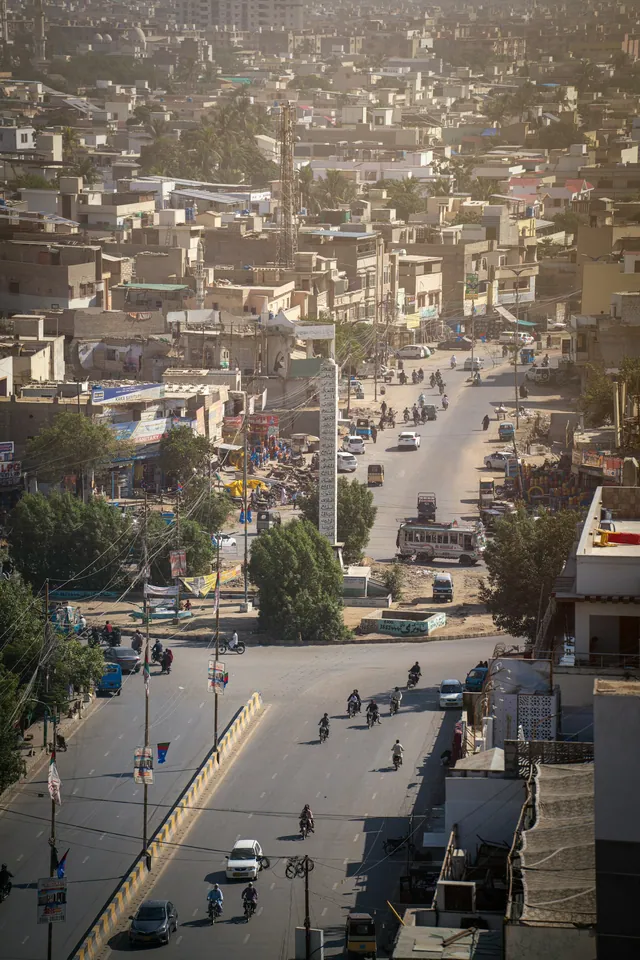
Apples, cherries and grapes from the Urak and Pishin orchards.
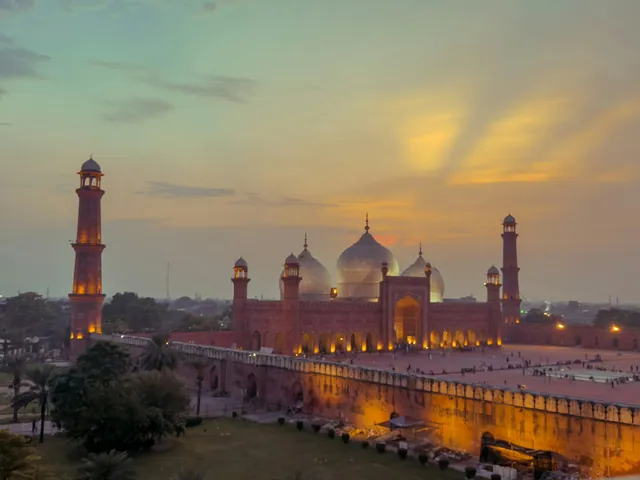
Badshahi Mosque, Lahore Fort and Shalimar Gardens, built 1556–1707.
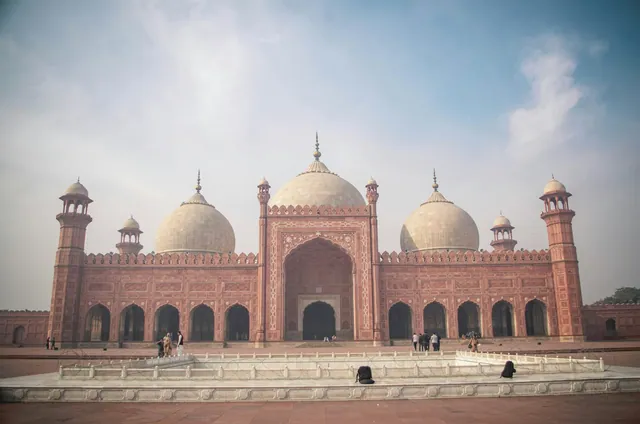
Blue Multani tiles and carved domes across Punjab and Sindh.
Rohtas, Derawar, Baltit and Ranikot, the largest fort wall in the world.
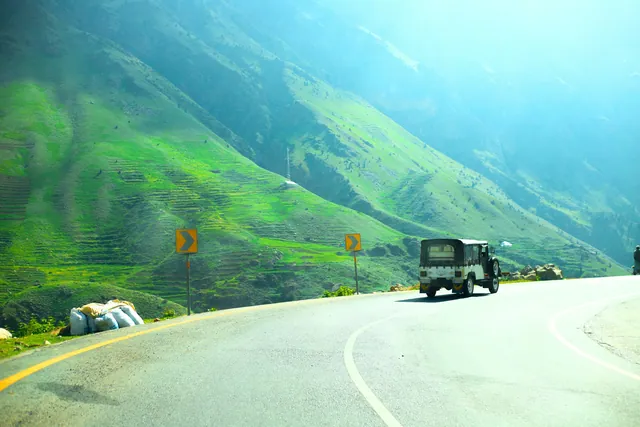
Hand-painted trucks and rickshaws, a craft trade worth millions of rupees a year.
Copper, cloth, spice and book markets in every old city.
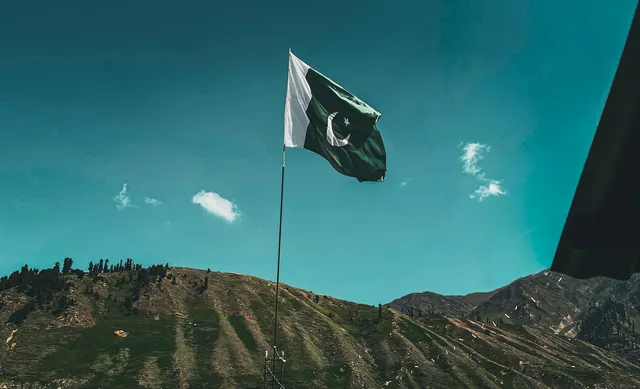
Basant, Urs gatherings, Shandur polo and the Kalash calendar.
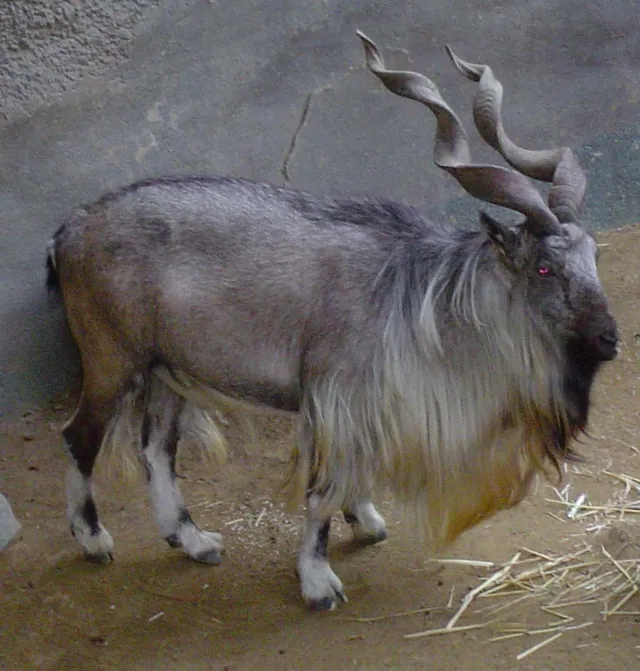
Chiltan wild goat, found only in the hills around Quetta.
March to May and September to November; winters are cold with snow.
Quetta International Airport, the N-25 highway, and the railway from Sibi.
About 1,680 metres, which gives it cold winters and mild summers compared with the plains.
An earthquake on 31 May 1935 destroyed most of the city and killed tens of thousands of people.
The photo archive is a separate part of Pixistan. Browse images shot in this area once you have read the reference page.
Open the photo archive