
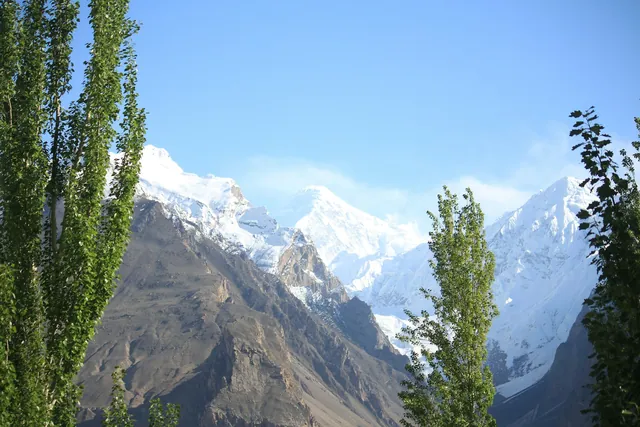
Katpana cold desert
Sand dunes at 2,230 m, snow-covered in winter.
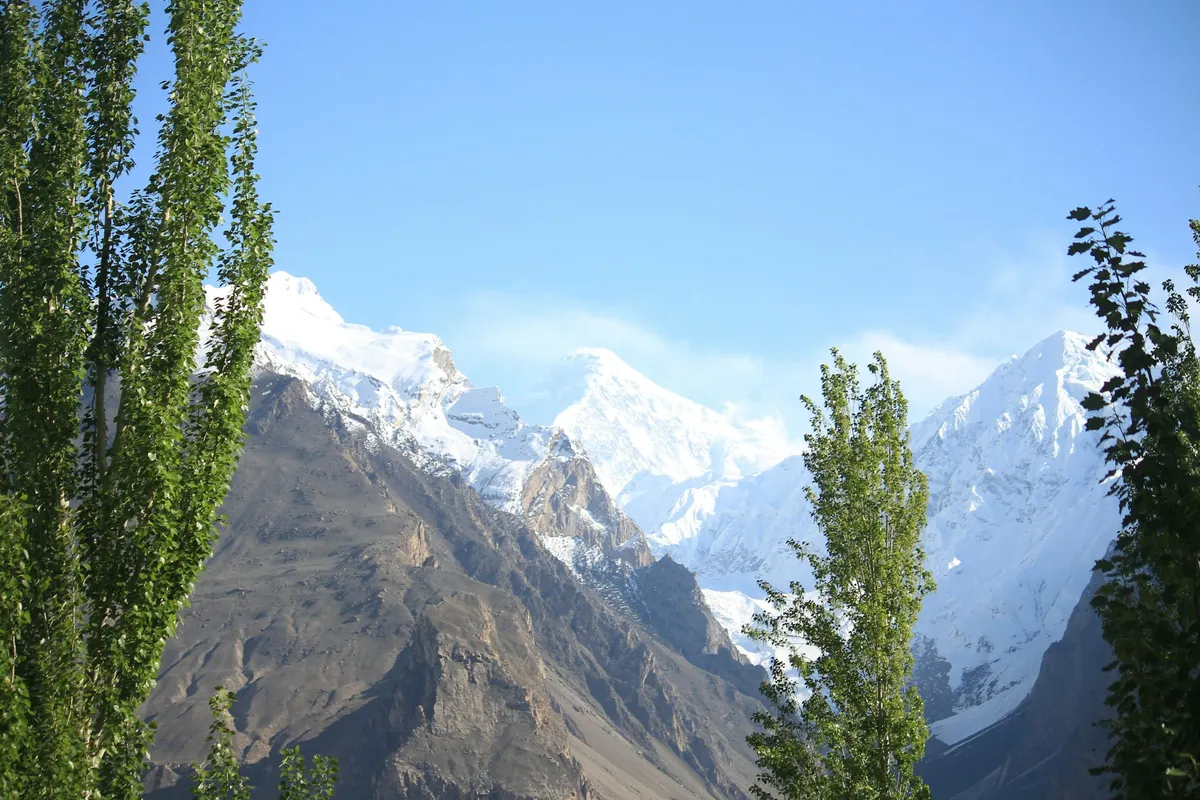
City · Gilgit-Baltistan
Skardu is the main town of Baltistan in Gilgit-Baltistan, set at about 2,230 metres on a wide sandy basin where the Shigar river meets the Indus. It is the staging point for expeditions to K2 at 8,611 metres and to four of the world's fourteen peaks above 8,000 metres.
The Skardu valley is roughly 40 kilometres long and up to 10 kilometres wide, one of the largest flat valleys in the Karakoram. Kharpocho Fort, built in the 16th century under Ali Sher Khan Anchan, overlooks the town. Skardu has a cold desert climate, and the dunes at Katpana are among the highest cold deserts in the world. The road from Gilgit was upgraded and paved through the 2010s, cutting the journey to roughly five hours.
16th-century fort above the Indus, a short climb from the bazaar.
Two lakes about 20 minutes from town.
Sand dunes at over 2,200 m, snow-covered in winter.
A 17th-century Amacha fort, restored and now a heritage hotel.
The second-highest plateau on earth at about 4,114 m, open July to September.
Sand dunes at 2,230 m, snow-covered in winter.
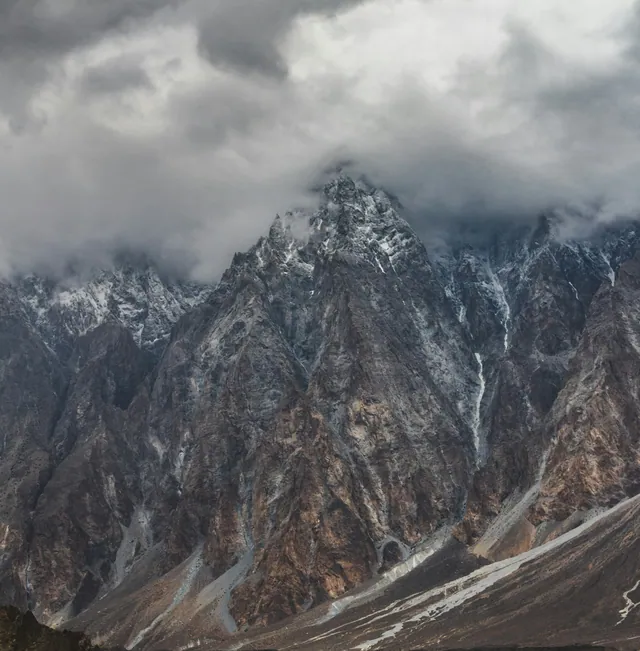
The trail from Askole to Concordia meets four 8,000 m peaks.
The second-highest plateau on Earth at 4,114 m.
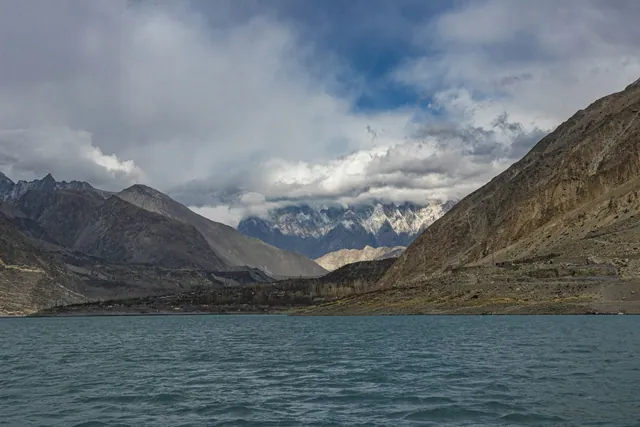
Deep green water below the Shangrila resort.
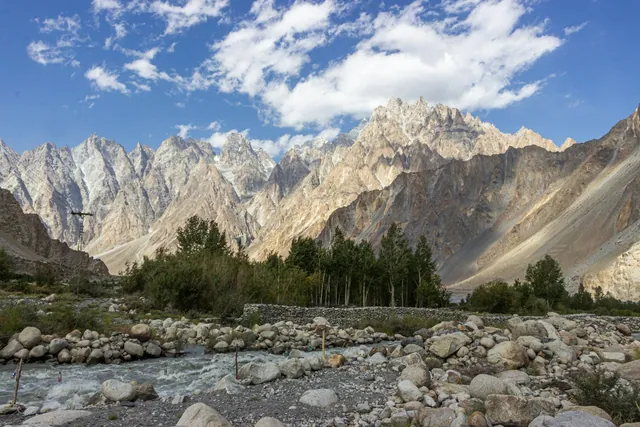
The river runs wide and braided through the valley floor.
An alpine lake on Deosai, frozen until late May.

Mamtu dumplings, prapu noodles and apricot soup.
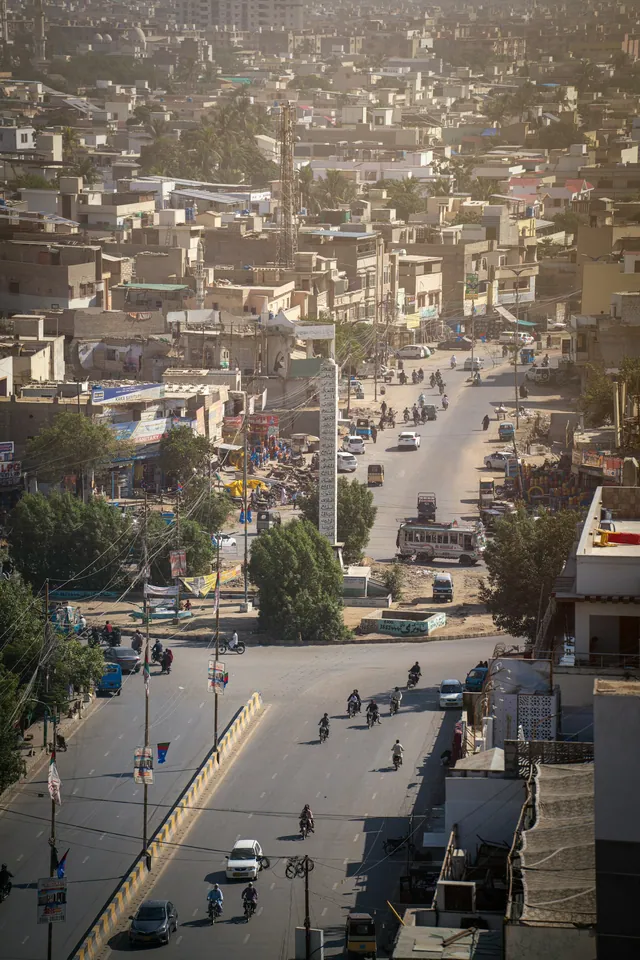
Salted tea churned with butter, drunk through the winter.
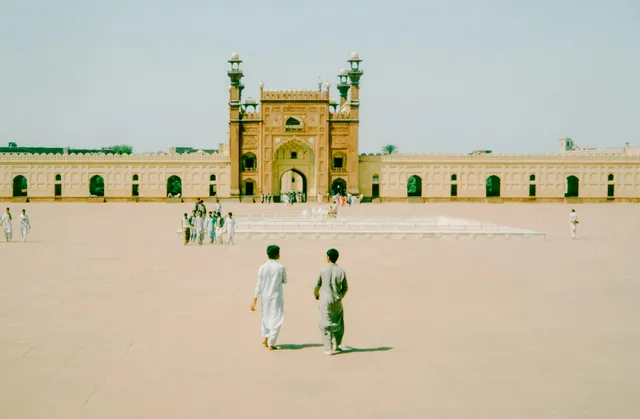
Orchards along the Shigar road ripen through July.
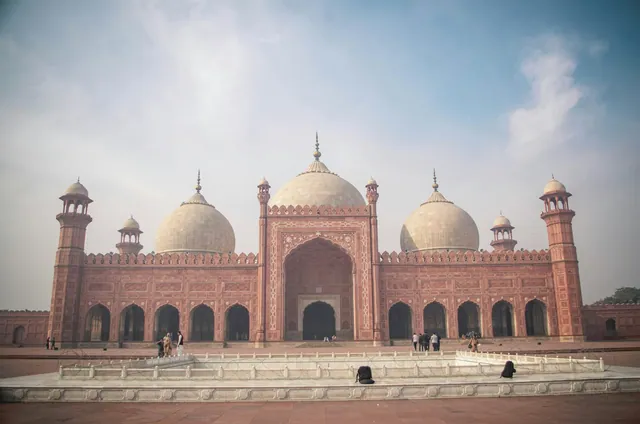
A 400-year-old Raja's fort restored as a museum and guest house.
Built in the 16th century above the Indus, overlooking the town.
A carved granite Buddha dated to around the 8th century.
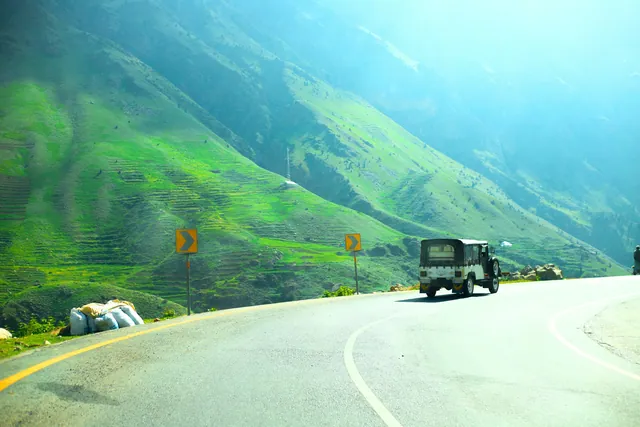
Hand-painted trucks and rickshaws, a craft trade worth millions of rupees a year.
Copper, cloth, spice and book markets in every old city.
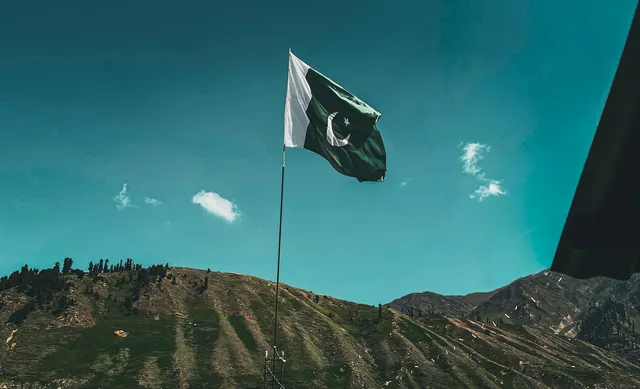
Basant, Urs gatherings, Shandur polo and the Kalash calendar.
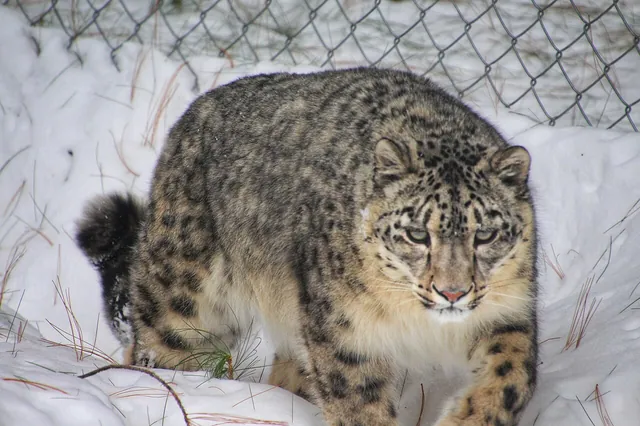
Tracked in Khunjerab and Deosai; a few hundred remain nationwide.
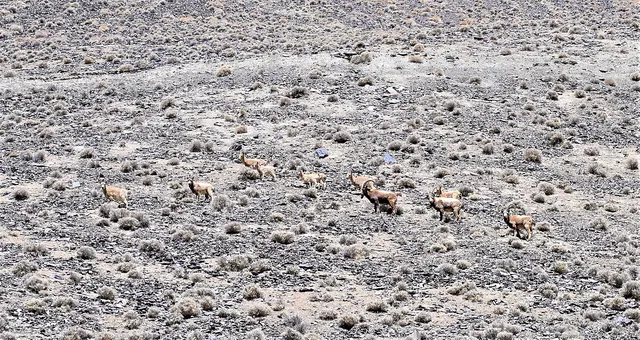
Winter herds on the cliffs above Passu and Shimshal.
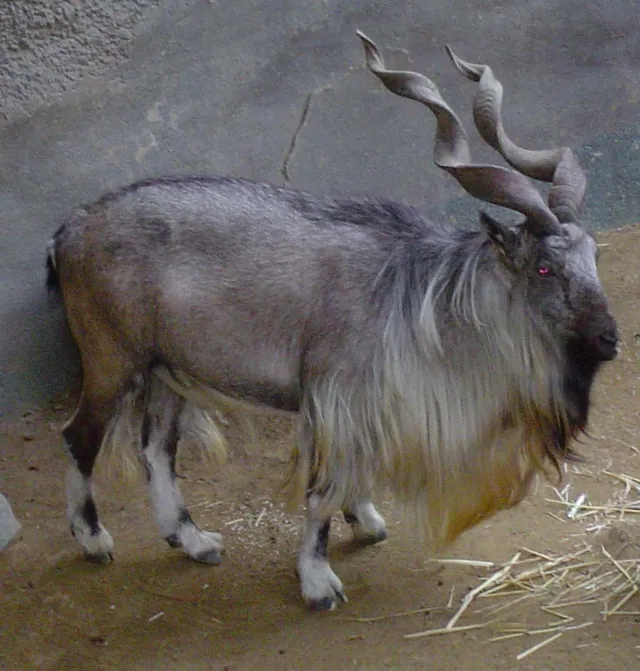
The national animal, protected by community conservancies here.
May to September; Deosai is only open roughly July to September.
Daily flights from Islamabad, about 1 hour, weather permitting; or 5 to 7 hours by road from Gilgit.
Yes. Expeditions drive from Skardu to Askole, then trek roughly 5 to 7 days up the Baltoro glacier to K2 base camp.
Yes, Skardu International Airport handles daily flights from Islamabad, though they are frequently delayed by weather.
The photo archive is a separate part of Pixistan. Browse images shot in this area once you have read the reference page.
Open the photo archive