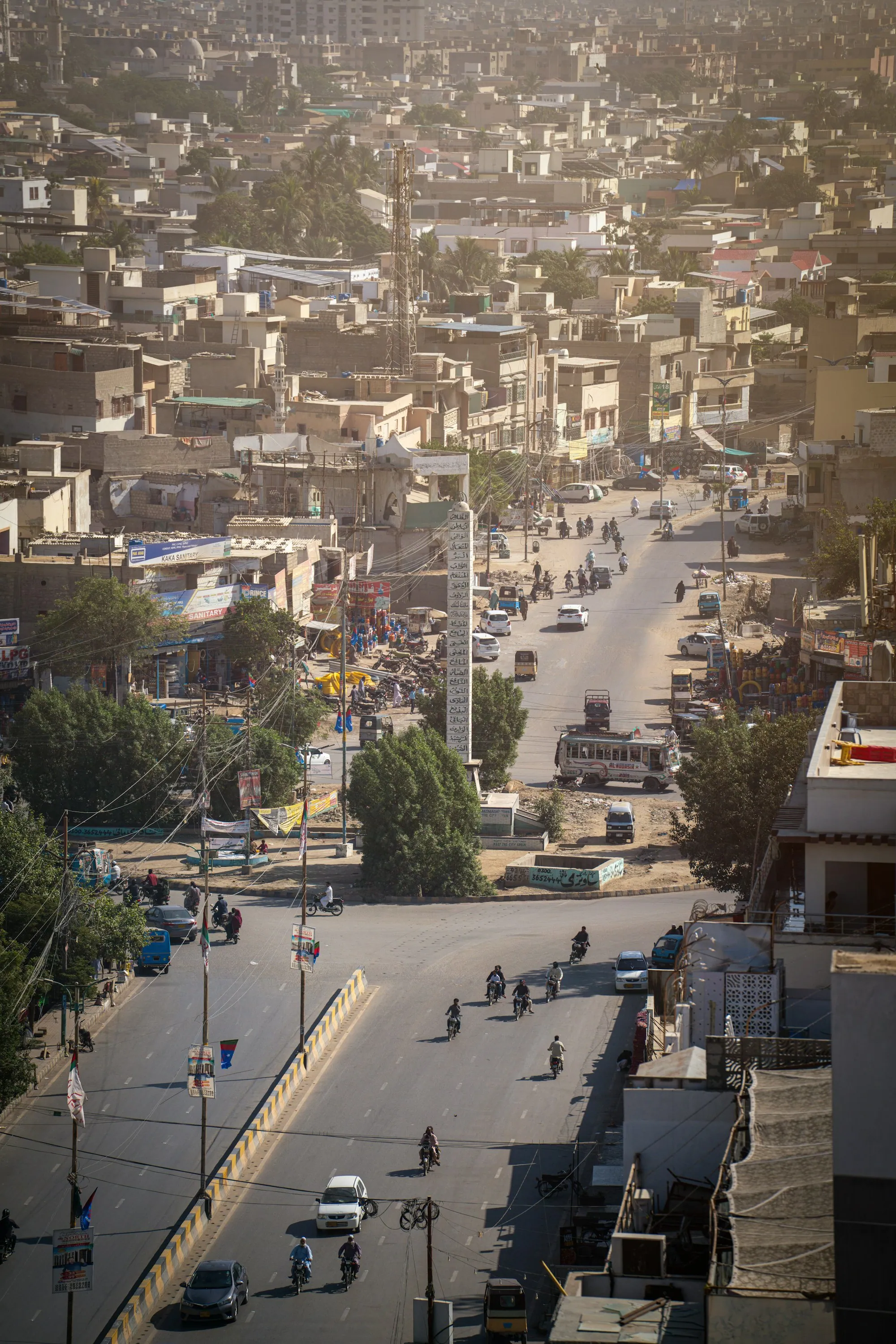
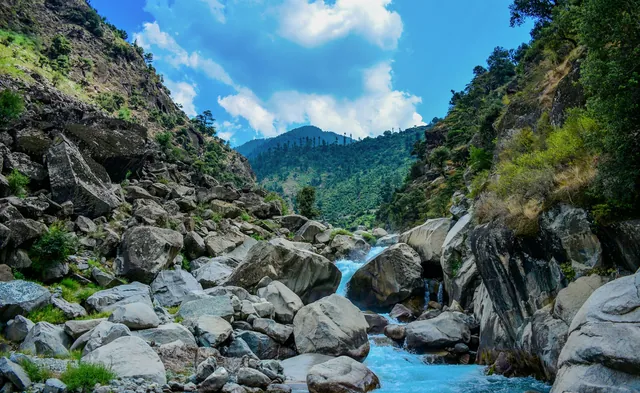
Swat valley
Kalam, Ushu forest and Malam Jabba, the country's main ski resort.
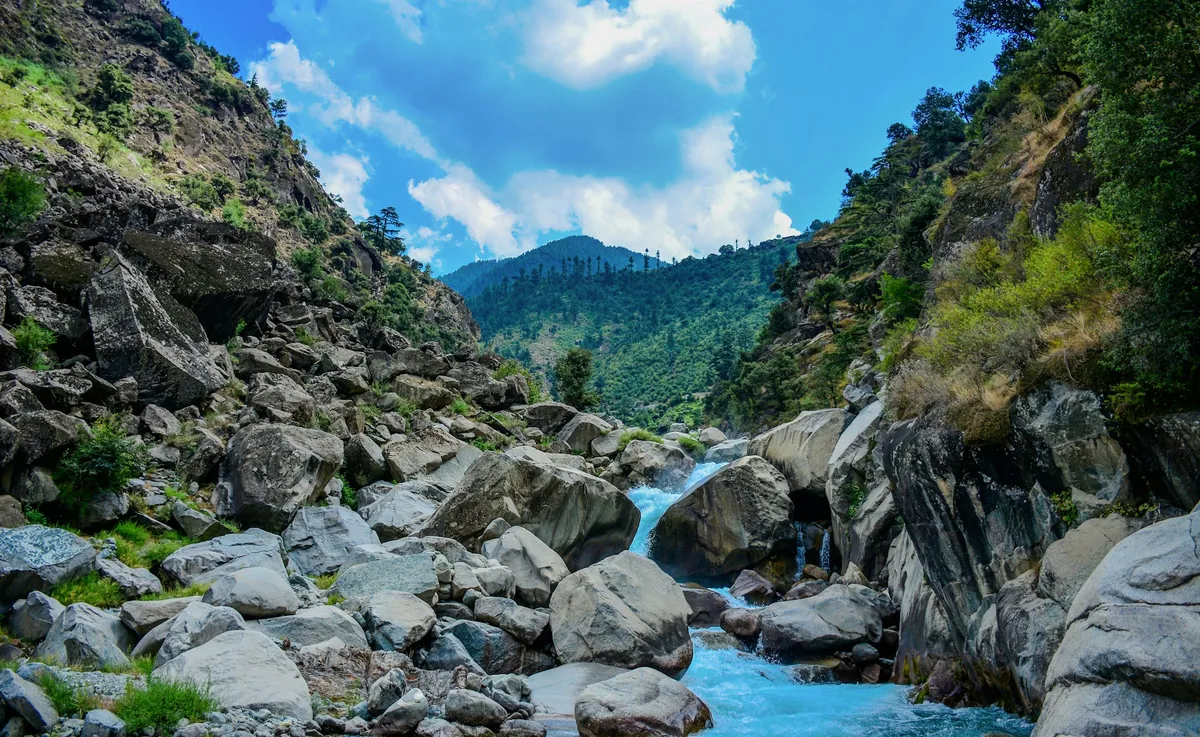
Region of Pakistan
Swat's alpine valleys, Peshawar's bazaars, and 2,500-year Buddhist history.
Khyber Pakhtunkhwa spans the Hindu Kush, the Swat and Chitral valleys and the Peshawar plain. It was the heartland of Gandhara, where Buddhist monasteries such as Takht-i-Bahi were carved into hillsides in the first century CE.
Peshawar is one of the oldest continuously inhabited cities in South Asia, and Qissa Khwani — the street of storytellers — still trades tea and dried fruit where caravans once stopped.
North of it, Swat and Kaghan carry pine forest, trout rivers and lakes such as Saif-ul-Malook at 3,224 metres. Chitral holds Tirich Mir, 7,708 metres, and the three Kalash valleys.
Kalam, Ushu forest and Malam Jabba, the country's main ski resort.
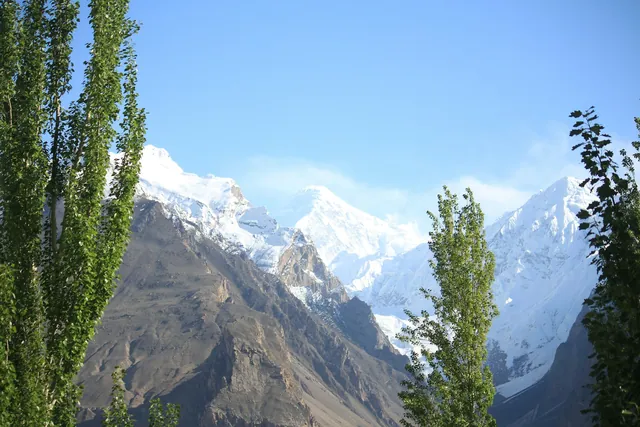
Tirich Mir, 7,708 m, the highest peak outside the Karakoram–Himalaya.
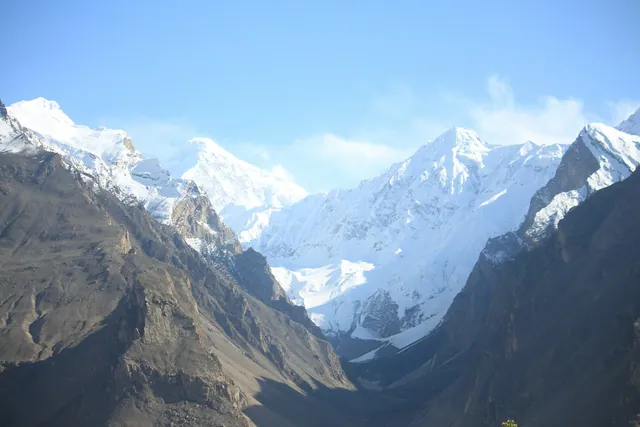
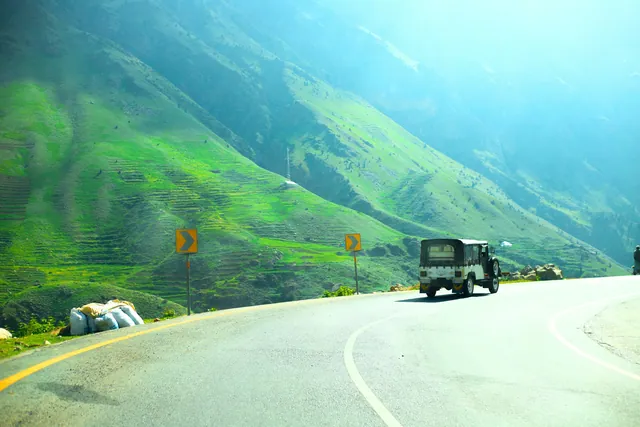
A 155 km valley rising to Babusar Pass at 4,173 m.
Trout water from Kalam down to Mingora.
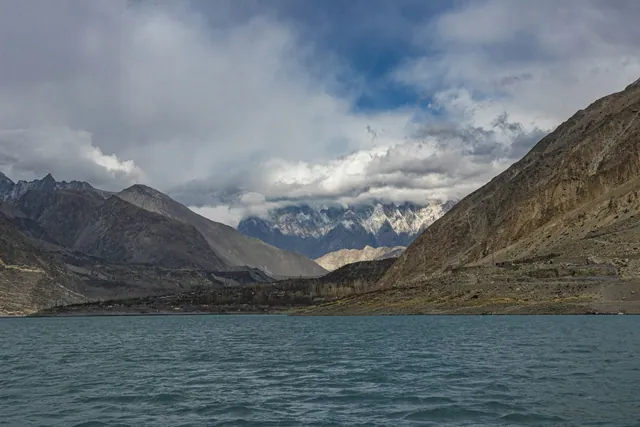
Glacial lake above Naran at 3,224 m, frozen much of the year.
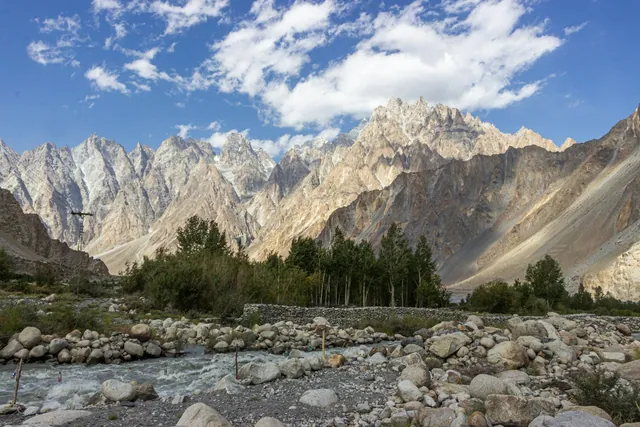
Runs the length of Kaghan into the Jhelum.

Flat minced-beef kebab with tomato and coriander seed, from Mardan.
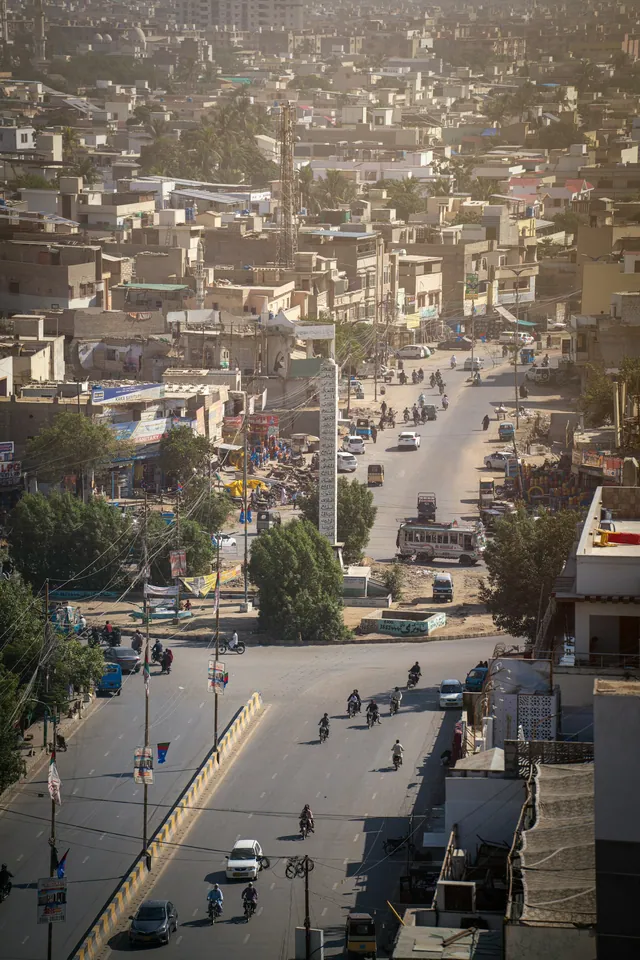
Rice with lamb, carrot and raisin, a Peshawar staple.
Qehwa with cardamom, poured all day in the bazaars.
UNESCO listed Buddhist monastery, first century CE.
One of the world's largest Gandharan sculpture collections.
Bumburet, Rumbur and Birir, with their own calendar and festivals.
Hand-painted trucks and rickshaws, a craft trade worth millions of rupees a year.
Copper, cloth, spice and book markets in every old city.
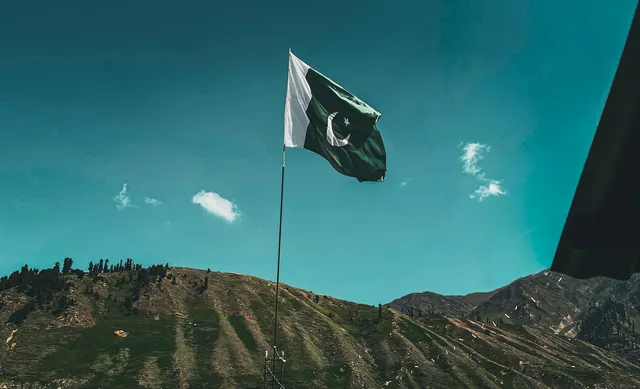
Basant, Urs gatherings, Shandur polo and the Kalash calendar.
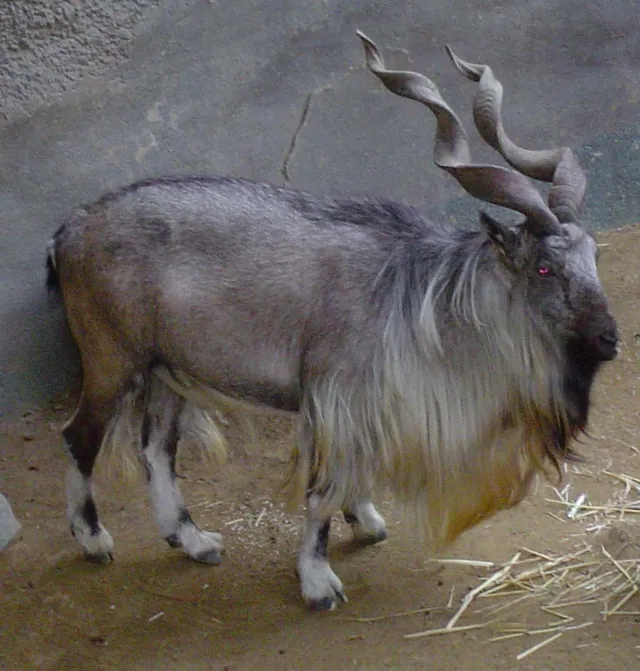
Chitral Gol National Park holds one of the strongest populations.
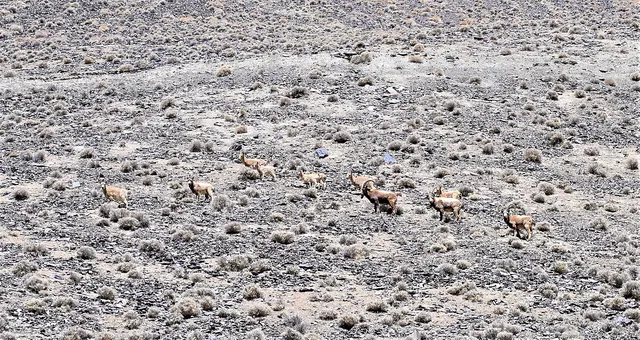
High ridges above Chitral and upper Swat.
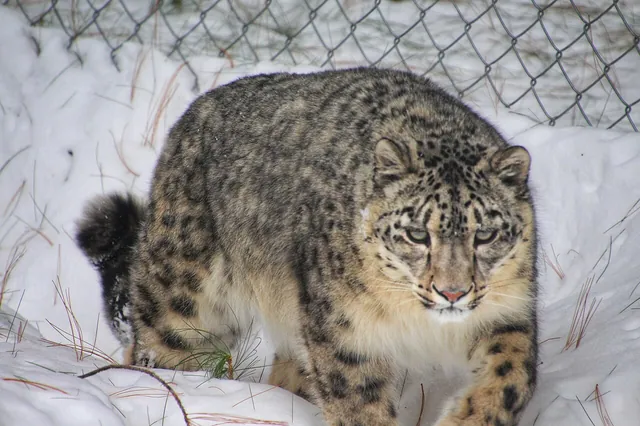
Recorded in Chitral's high side valleys.
Each one opens its own page: its story, rivers and lakes, food, heritage, culture, wildlife and what to see.
Alexander the Great crossed into what is now Pakistan in 326 BCE. The Mauryan and later Kushan empires made Taxila (Punjab) and Peshawar (KPK) the intellectual centres of Buddhist Gandhara — home to some of the earliest Buddha statues ever carved.
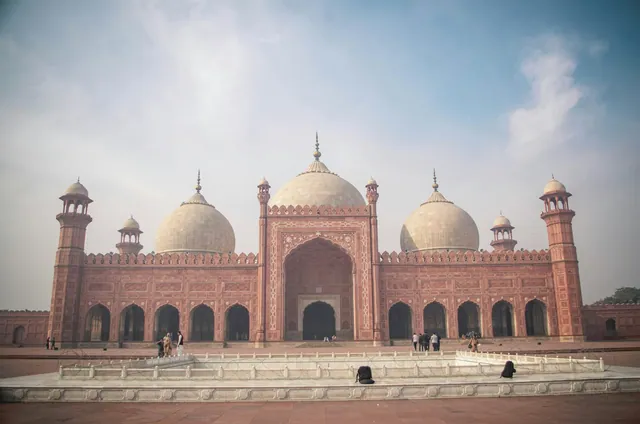
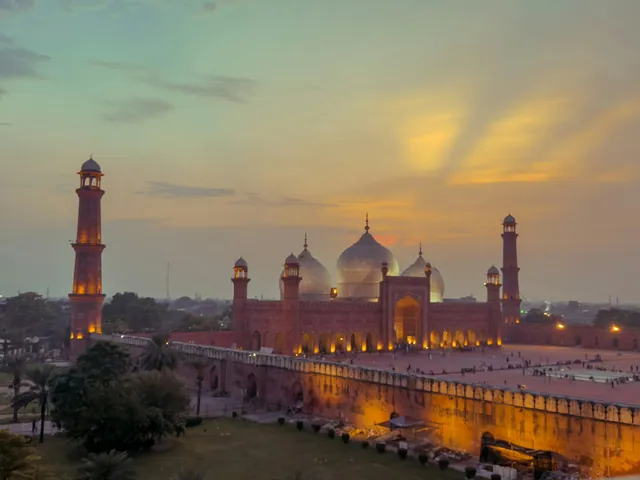
Under the Mughals, Lahore served as the imperial capital during Akbar's reign (1584–1598) and remained a premier city. The Badshahi Mosque (1673), Lahore Fort, Shalimar Gardens (1642), Rohtas Fort, Mahabat Khan Mosque, and Wazir Khan Mosque were all built in this period — most are UNESCO World Heritage sites today.
Ranjit Singh unified the Sikh misls and built an empire stretching from the Khyber Pass to Kashmir. He ruled from Lahore Fort until his death in 1839; the empire fell to the British in the Second Anglo-Sikh War (1849).
The British built the Karachi–Lahore–Peshawar rail network, the Sukkur Barrage (1932) and the world's largest contiguous canal system in Punjab. The North-West Frontier Province and the tribal agencies became the front line of the Great Game with Russia, and the Khyber Pass was fortified against Afghanistan.
No photographs published from KPK yet.
April to October for Swat, Kaghan and Chitral. Peshawar is pleasant November to March.
Fly Islamabad → Chitral (1 hour) or drive Islamabad → Swat via the M-16 motorway (5 hours).
Chitral, Kalash and areas near the Afghan border may need a security escort arranged at the district office.
Swat's alpine valleys, Peshawar's bazaars, and 2,500-year Buddhist history.
Every KPK photograph on Pixistan is shot on location by a Pakistani photographer. Pixistan does not accept AI-generated or agency stock imagery.
Full-resolution files in PKR.
Browse galleryPhotos, films, guides and stories.
Open category