The canal belt
Wheat, rice, cotton and sugarcane across the doabs between the rivers.
Region of Pakistan
Mughal architecture, five rivers, and the country's living cultural heart.
Punjab — 'five waters' — is named for the Jhelum, Chenab, Ravi, Beas and Sutlej. Over half of Pakistan's population lives on this plain, farmed through the largest contiguous canal irrigation network in the world.
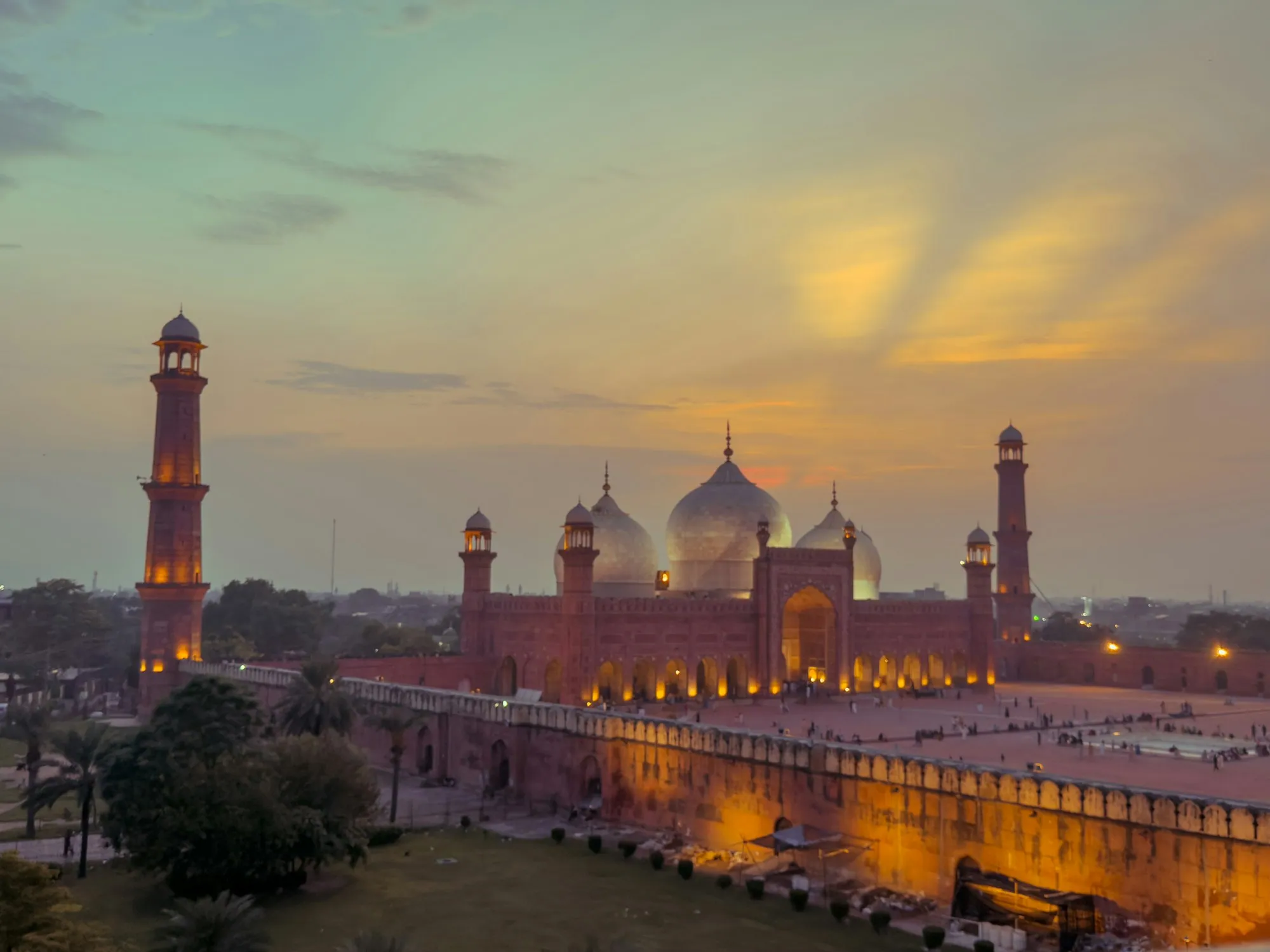
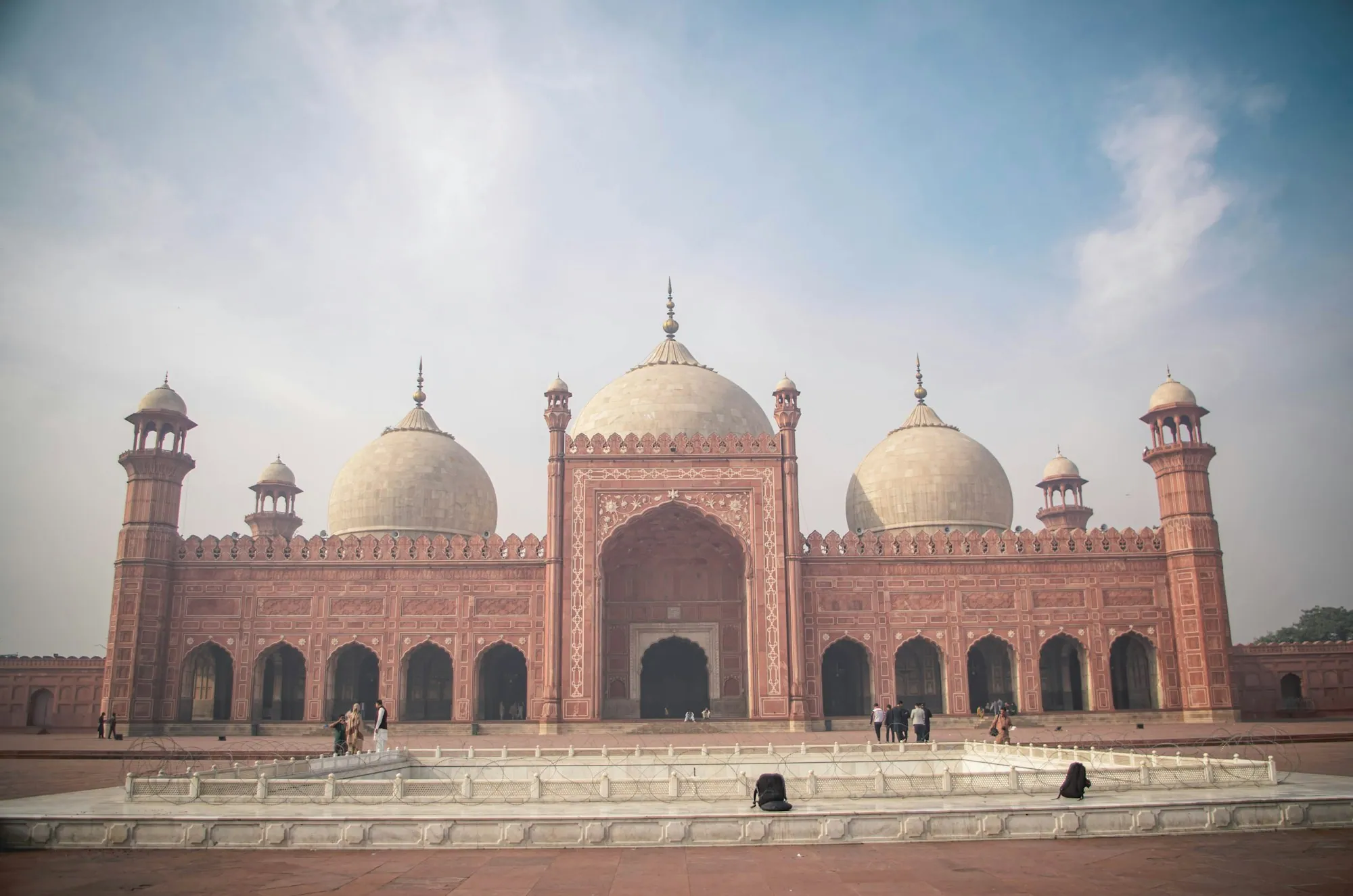
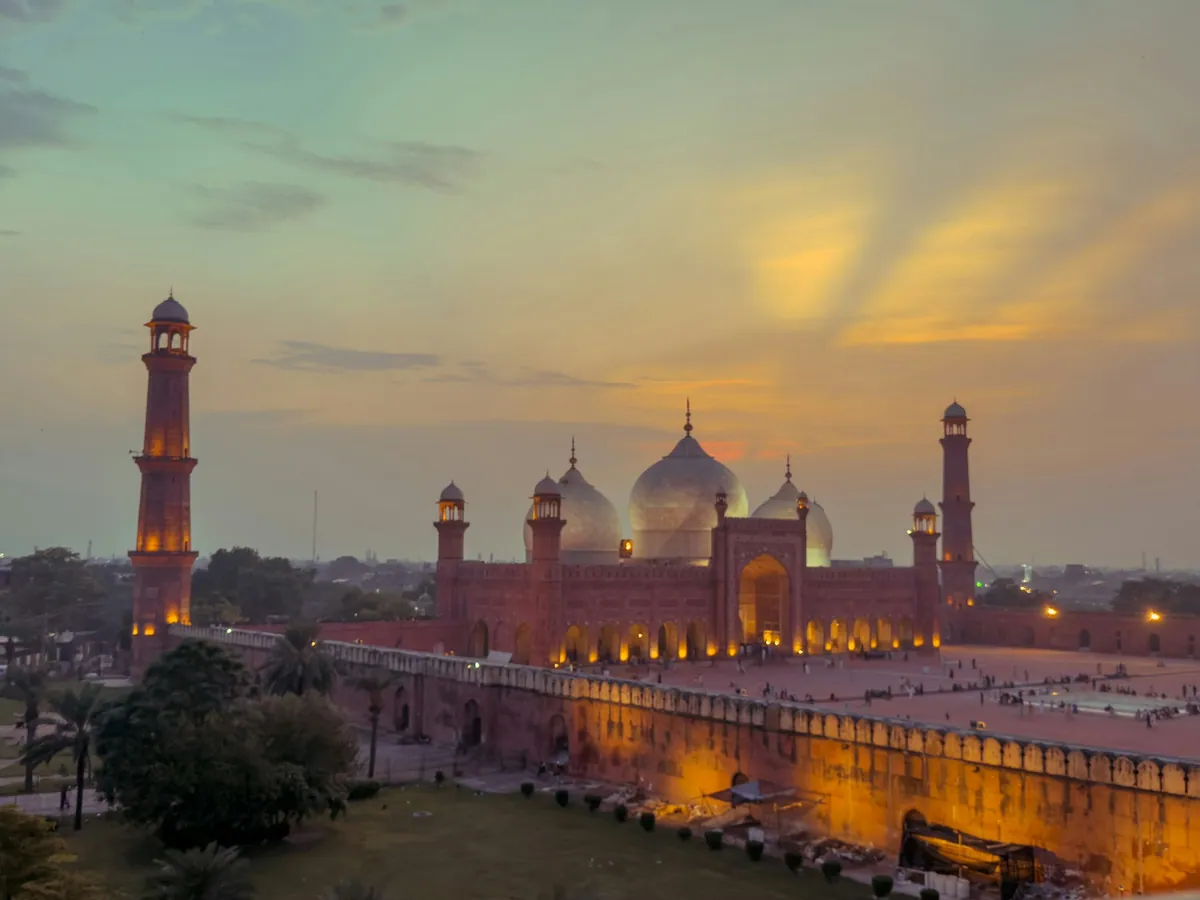
Lahore has been a capital under the Ghaznavids, the Mughals, the Sikh empire and the British. Badshahi Mosque was completed in 1673, the Shalimar Gardens in 1642, and Rohtas Fort, on the Grand Trunk Road, in 1547.
South of the rivers the land turns dry into Cholistan, where Derawar Fort's forty bastions rise out of the sand and the jeep rally runs every February.
Wheat, rice, cotton and sugarcane across the doabs between the rivers.
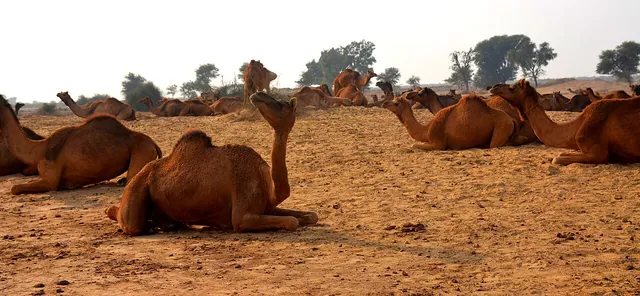
Roughly 26,000 km² of desert with the dry bed of the Hakra river beneath it.
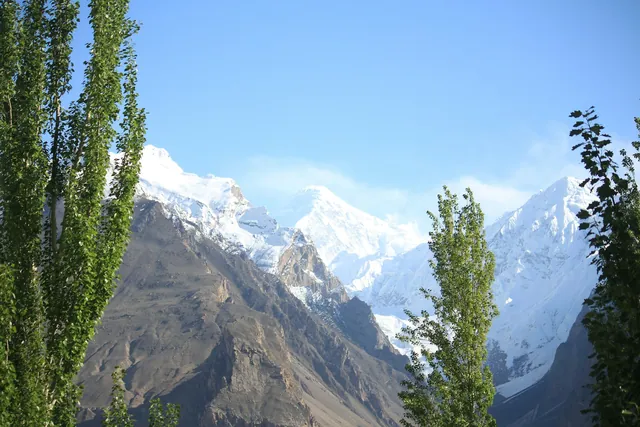
Low hills holding Khewra, the world's second-largest salt mine.
Lahore's river, and the boundary of the old Mughal city.
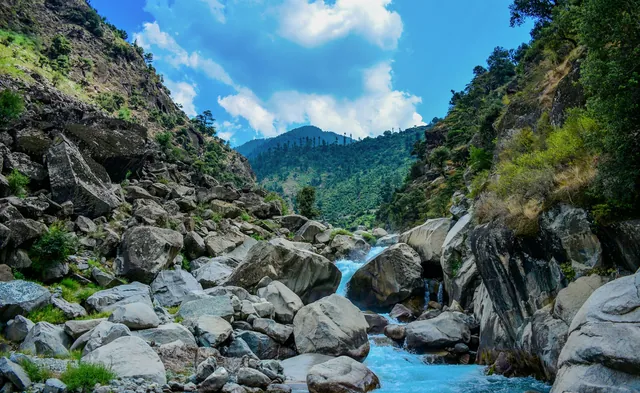
The river of the Heer Ranjha and Sohni Mahiwal folk tales.
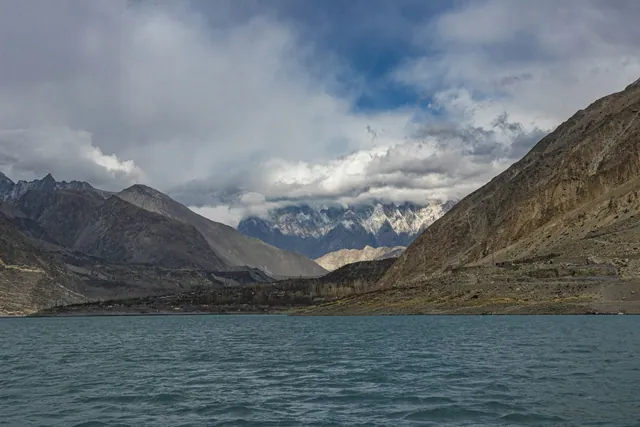
Barrages at Marala, Trimmu and Panjnad steer the canal system.
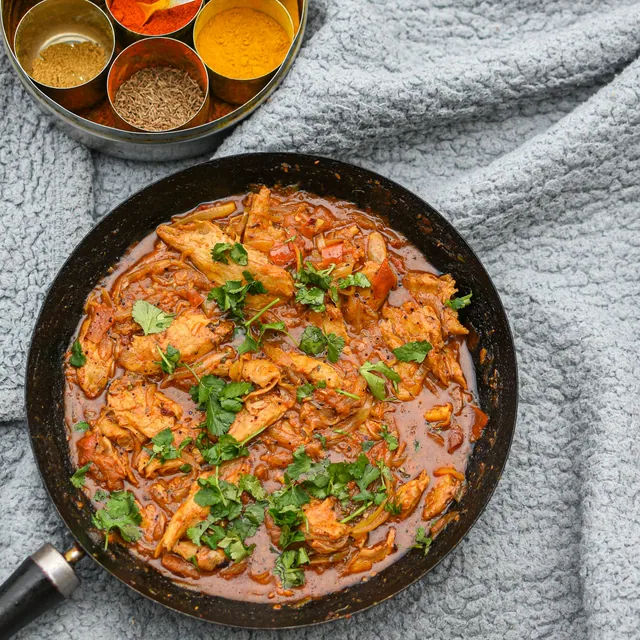
Simmered overnight; a Lahore breakfast with naan and ginger.
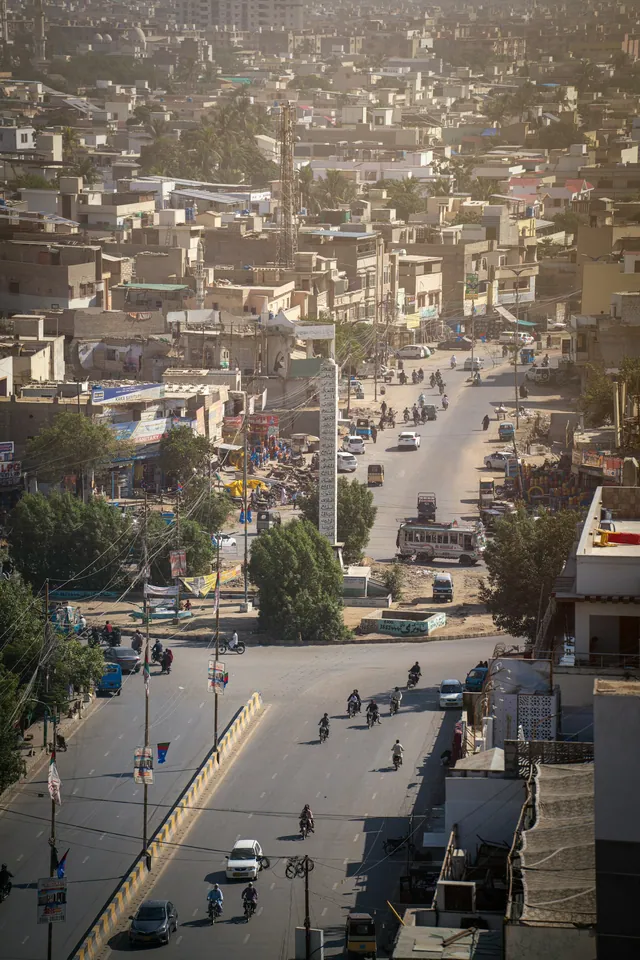
Phajja's paye, Gawalmandi chaat and charcoal-grilled kebabs.
Multan's dense saffron and nut sweet, sold in tins.
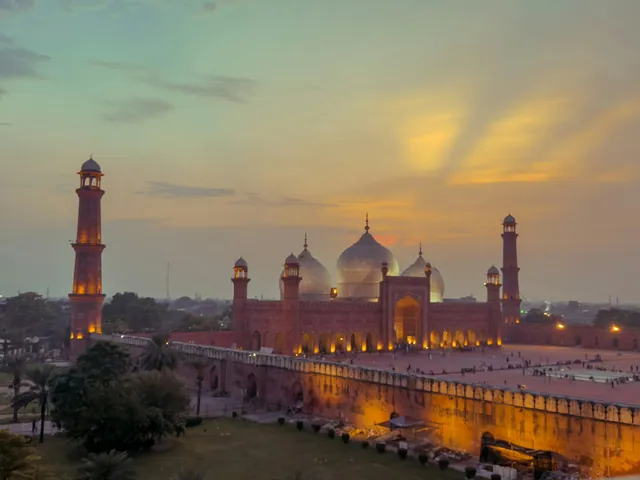
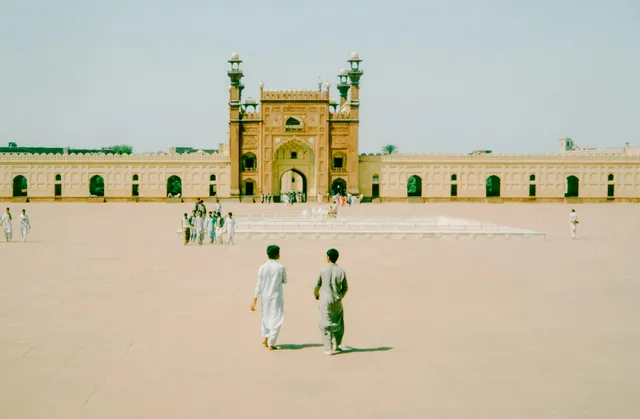
Completed 1673; its courtyard holds about 100,000 people.
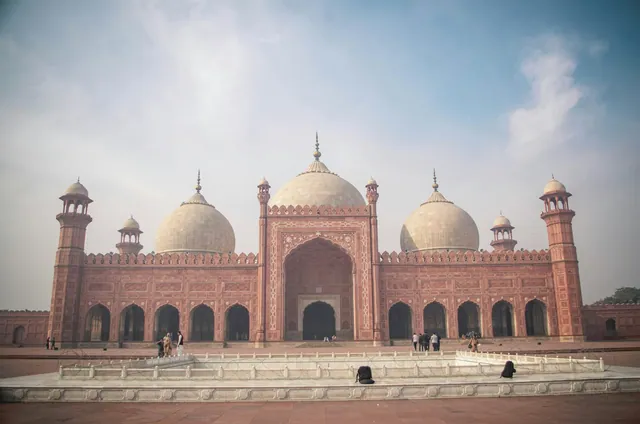
UNESCO listed, with the Sheesh Mahal and Alamgiri Gate.
Built 1541–1548 by Sher Shah Suri on the Grand Trunk Road.
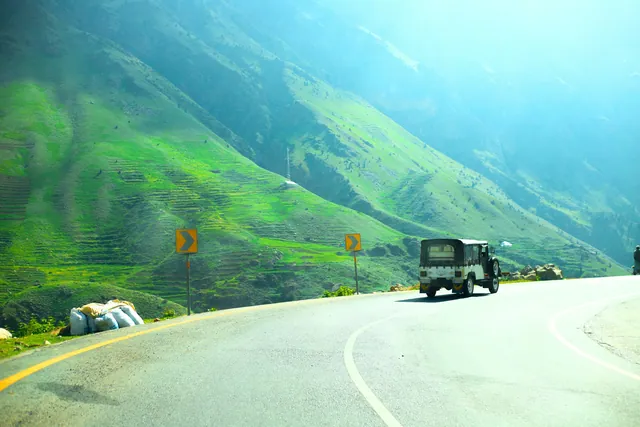
Workshops in Rawalpindi and Lahore paint the country's fleet.
Qawwali at the shrines of Data Darbar and Baba Bulleh Shah in Kasur.
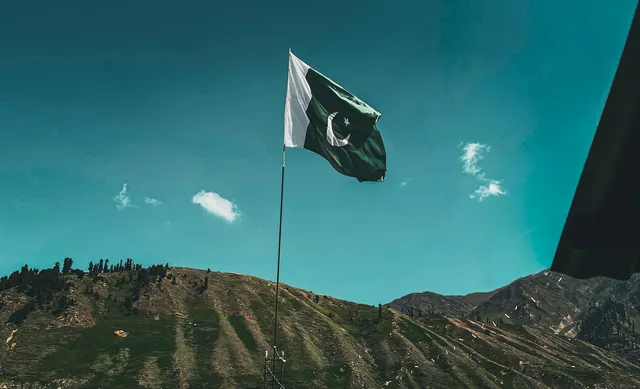
The spring kite festival, long identified with the Walled City.
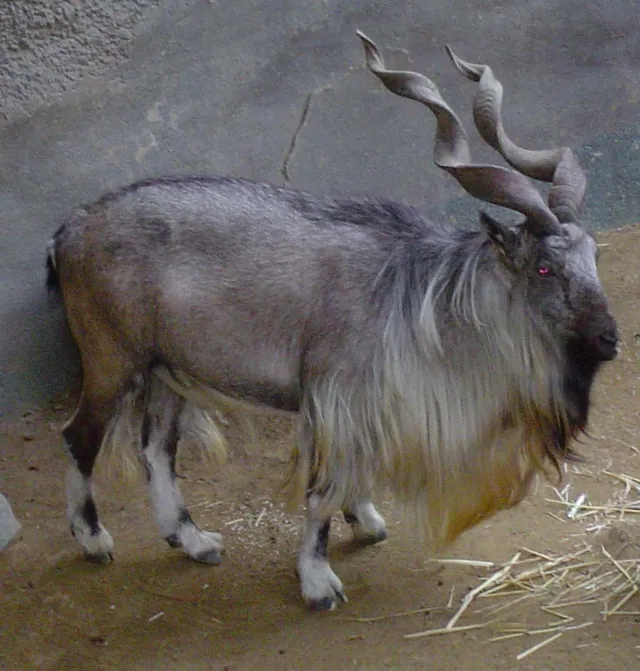
The national animal, a wild goat of the northern ranges.
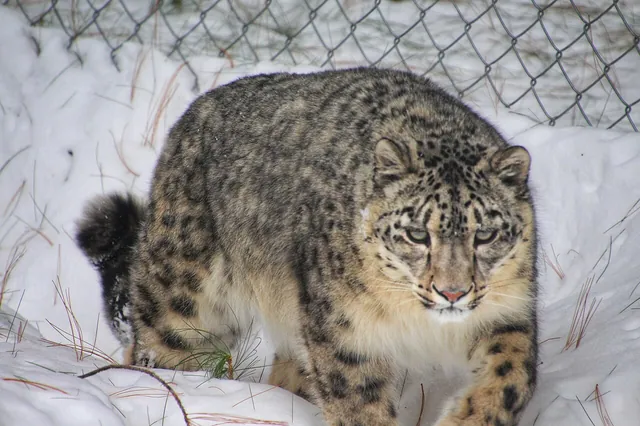
Roughly 200–420 remain in the Karakoram, Himalaya and Hindu Kush.
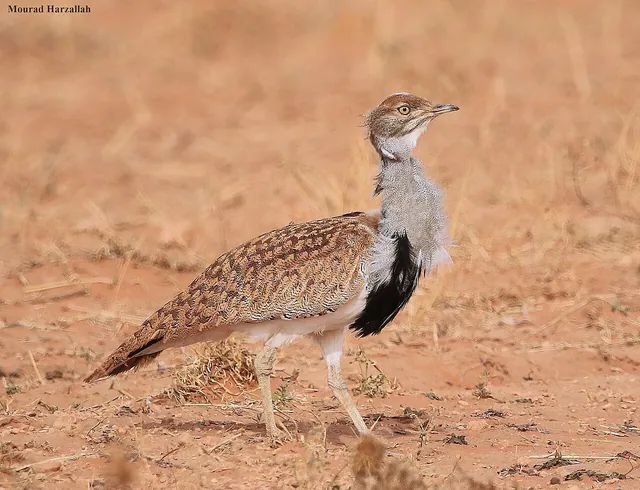
A winter migrant to the deserts of Balochistan and Cholistan.
Each one opens its own page: its story, rivers and lakes, food, heritage, culture, wildlife and what to see.
One of the world's three earliest urban civilisations. Mohenjo-daro (Sindh) and Harappa (Punjab) had planned grid streets, brick sewers, and standardised weights 4,500 years ago. Both are UNESCO World Heritage sites in modern Pakistan.
Alexander the Great crossed into what is now Pakistan in 326 BCE. The Mauryan and later Kushan empires made Taxila (Punjab) and Peshawar (KPK) the intellectual centres of Buddhist Gandhara — home to some of the earliest Buddha statues ever carved.
In 712 CE, the 17-year-old Umayyad general Muhammad bin Qasim captured Sindh and Multan — one of the earliest Muslim conquests east of Persia. Two centuries later, Mahmud of Ghazni made Lahore his eastern capital (1021), beginning eight centuries of Islamic rule over the region.
The Delhi Sultans ruled from what is now Pakistan and North India. Sufi masters — Data Ganj Bakhsh (Lahore), Lal Shahbaz Qalandar (Sehwan), Bahauddin Zakariya and Shah Rukn-e-Alam (Multan), Baba Farid (Pakpattan) — turned the subcontinent's spiritual landscape and are still visited by millions.
Under the Mughals, Lahore served as the imperial capital during Akbar's reign (1584–1598) and remained a premier city. The Badshahi Mosque (1673), Lahore Fort, Shalimar Gardens (1642), Rohtas Fort, Mahabat Khan Mosque, and Wazir Khan Mosque were all built in this period — most are UNESCO World Heritage sites today.
Ranjit Singh unified the Sikh misls and built an empire stretching from the Khyber Pass to Kashmir. He ruled from Lahore Fort until his death in 1839; the empire fell to the British in the Second Anglo-Sikh War (1849).
No photographs published from Punjab yet.
October to March. Summers reach 45 °C; monsoon runs July to August.
Lahore has direct international flights from most GCC and European hubs. Motorway M-2 links Islamabad to Lahore in 4 hours.
No permits required for tourists. Standard visa or e-visa is enough.
Mughal architecture, five rivers, and the country's living cultural heart.
Every Punjab photograph on Pixistan is shot on location by a Pakistani photographer. Pixistan does not accept AI-generated or agency stock imagery.
Full-resolution files in PKR.
Browse galleryPhotos, films, guides and stories.
Open category